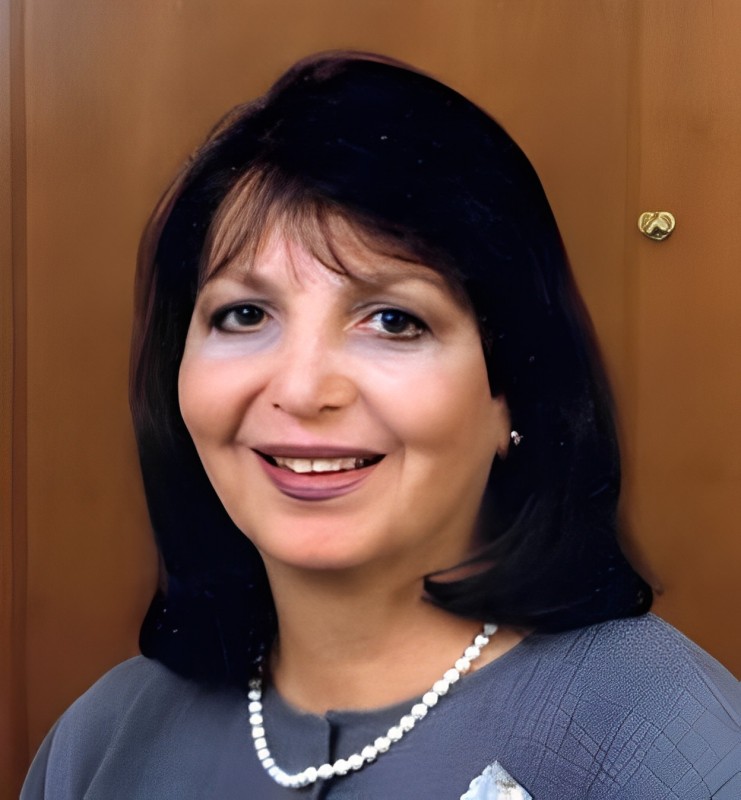
Huda Akil, a Syrian American neuroscientist, has made significant contributions to the understanding of the neurobiology of emotions, including pain, anxiety, depression, and substance abuse. Born on May 19, 1945, in Damascus, Syria, she was inspired to pursue science after reading about Marie Curie, a turning point that shaped her ambition.
Read More
Akil pursued her undergraduate degree at the American University of Beirut (AUB), where she graduated summa cum laude with a Bachelor of Arts in Psychology in 1967. She received a Rockefeller Foundation scholarship that required her to maintain top academic performance despite her limited English proficiency at the time. Following her studies, she moved to the United States to advance her education at the University of Iowa and later the University of California, Los Angeles (UCLA), focusing her research on pain and its psychological dimensions.
At UCLA, Akil conducted research with John Liebeskind, exploring the neural circuitry of phantom pain. Her Ph.D. dissertation examined the effects of electrical stimulation on pain responsiveness in rats, leading to a pivotal discovery of the brain's natural pain inhibition mechanisms. Her research opened new avenues for treatment strategies targeting the brain's own pain-blocking systems.
Throughout her career, Akil has authored and co-authored over 500 studies published in scientific journals and is recognized as one of the most cited researchers in her field. She has received numerous awards and honors, including the National Institute on Drug Abuse Pacesetter Award in 1993 and the Society for Neuroscience Mika Salpeter Lifetime Achievement Award in 2007. She is also a distinguished member of various prestigious organizations including the U.S. National Academy of Sciences and the American Academy of Arts and Sciences.
Currently, Akil serves as the Gardner C Quarton Legacy Professor of Neurosciences at the University of Michigan. Alongside her husband, Stanley Watson, she co-directs the Molecular and Behavioral Neuroscience Institute. Together, they have contributed to advancements in understanding mood and emotional disorders, including their roles in addiction.
In 2025, she received the Vanderbilt Prize in Biomedical Science, recognizing her impressive research record and commitment to mentoring future scientists. Akil has expressed gratitude for the mentorship she has received throughout her career, noting the supportive environment within academia.
While details of her Arab background are limited, Akil has commented on gender dynamics in academia, contrasting her experiences with those common in the Middle East. She highlights the importance of comprehending and navigating the academic culture to flourish within it, advocating for inclusivity and representation for women in science.
Huda Akil's enduring contributions to neuroscience and her advocacy for young scientists underscore her impact on both the scientific community and society at large.