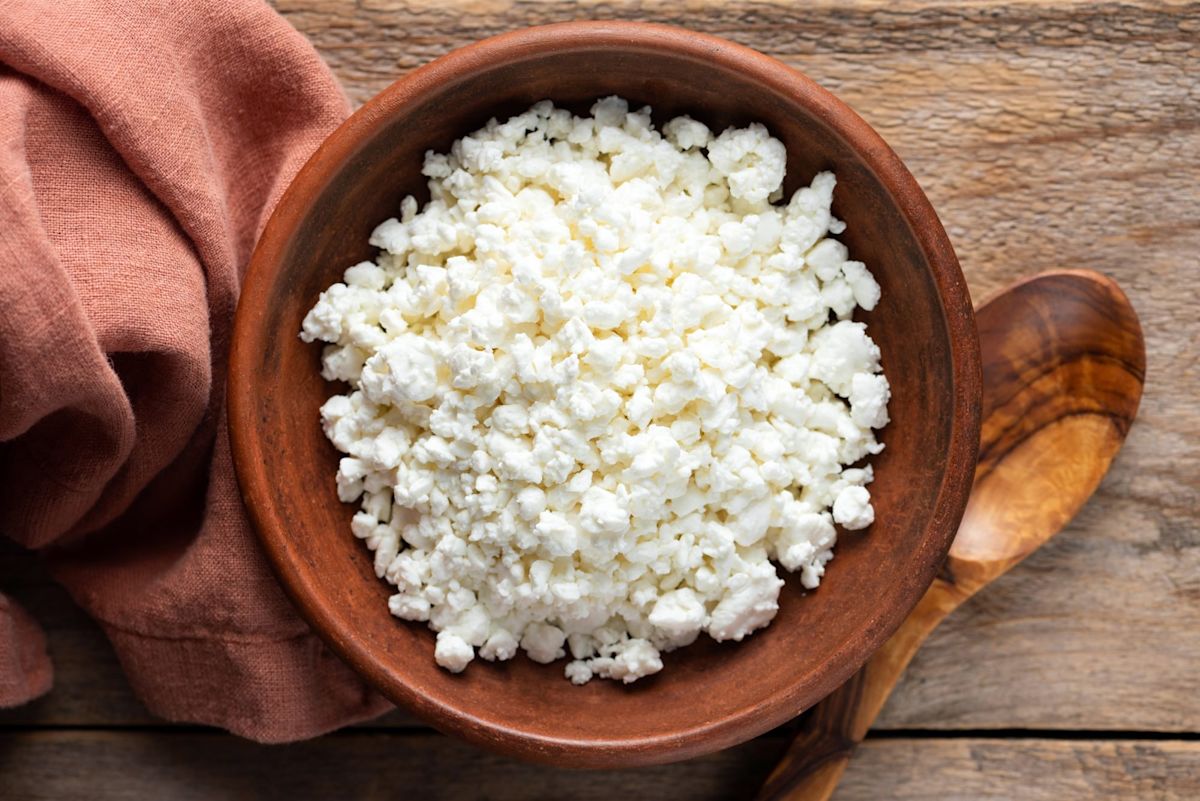
Cottage cheese is increasingly used in unexpected recipes like brownie batter, pasta sauce, frozen bark, and smoothies. This rise in popularity can be attributed to its high protein content, prompting even those who were previously averse to its texture to experiment with it. However, it’s important to distinguish between the hype and the actual health benefits of cottage cheese.
Read More
A 100-gram serving of 2% cottage cheese contains about 84 calories and 11 grams of protein, along with 103 milligrams of calcium and 148 milligrams of phosphorus, according to the Cleveland Clinic. This favorable protein-to-calorie ratio makes cottage cheese appealing in the dairy aisle, but not all versions are equally beneficial. Julia Zumpano, a registered dietitian at the Cleveland Clinic, advises opting for low-fat or full-fat options over nonfat variants, which tend to have less protein and may be less satisfying.
The renewed interest in cottage cheese largely stems from its texture. Kristin Kirkpatrick, also from the Cleveland Clinic, notes that many people are put off by the lumpy curds. Blending cottage cheese can create a smoother consistency, making it easier to use in various recipes while retaining its protein content.
Once blended, cottage cheese can serve as a creamy base in a variety of dishes, according to registered dietitian Abbey Sharp. It's an easy addition to pasta sauces, dips, smoothies, pancake batter, and desserts like mousse and cheesecake. Other uses include incorporating it into scrambled eggs, baked goods, and higher-protein frozen treats.
The boom in cottage cheese's popularity is partly a response to younger consumers seeking high-protein, whole food options. Sales of cottage cheese rose by 20% between June 2024 and June 2025, as reported by Circana data. However, there is concern regarding supply shortages into 2027 due to consistent demand.
Adding cottage cheese to desserts does not inherently make them healthy. While it can increase protein content, the overall nutritional profile depends on other ingredients involved. For instance, if a recipe calls for one cup, dividing it into multiple servings may still leave significant levels of sugar and calories from other components.
Cottage cheese can be moderate to high in sodium, containing about 321 milligrams per 100-gram serving, a figure that varies by brand. Those monitoring their sodium intake are encouraged to examine nutritional labels closely.
Certain brands of cottage cheese might include live and active cultures, but it's not universally probiotic, and the Cleveland Clinic recommends checking labels to ensure it meets specific dietary needs. For individuals who are lactose intolerant, cottage cheese may pose a challenge, as it typically contains more lactose than aged cheeses. Lactose-free varieties are available and may be more suitable.
While cottage cheese is a beneficial source of protein, it is not essential for achieving protein goals. Other options like Greek yogurt, eggs, tofu, beans, fish, and meat can also serve similar roles in a diet. Enjoying cottage cheese can be a good choice, but it is not nutritionally indispensable.