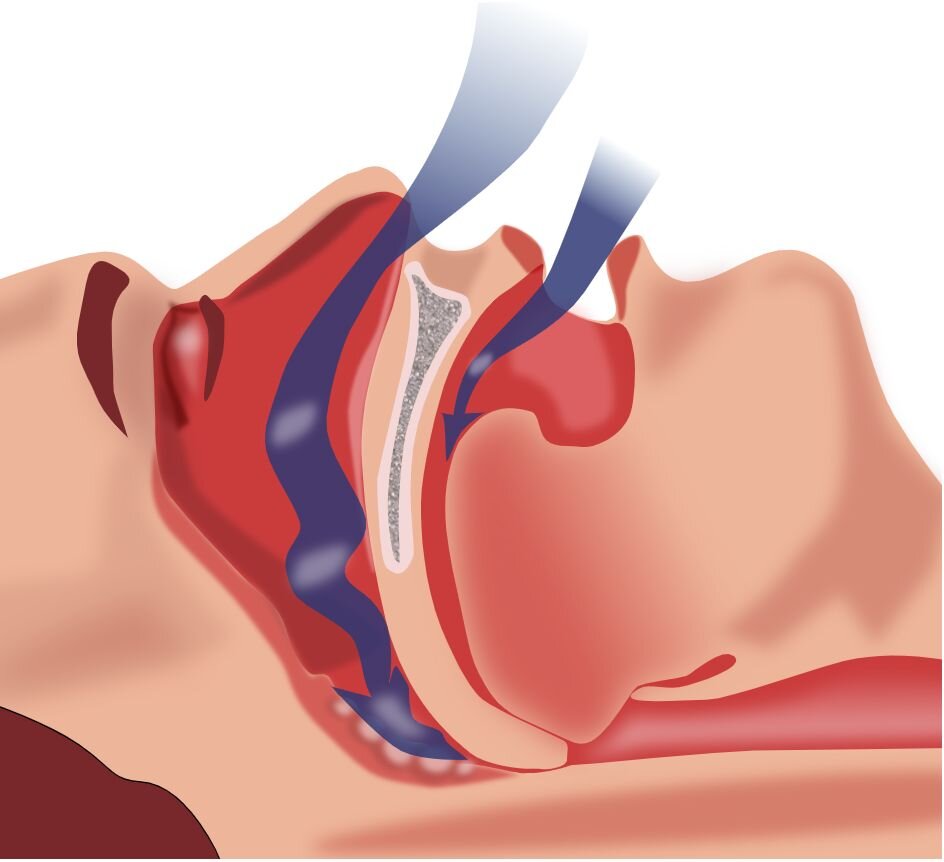
A study to be presented at the European Congress on Obesity (ECO 2026) in Istanbul from May 12 to 15 indicates that individuals with obstructive sleep apnea (OSA) have a 71% higher risk of experiencing cardiovascular events (CVEs) or dying from any cause compared to those without OSA.
Read More
This research involves collaboration between Imperial College Health Partners, Imperial College Healthcare NHS Trust in London, and Eli Lilly and Company, which sponsors the study. OSA is marked by recurrent upper airway obstruction during sleep and is commonly associated with obesity. The prevalence of obesity and being overweight in individuals with OSA ranges from 40% to 70%, and those with obesity are likely to experience more severe cases of OSA than those without.
Previous studies have demonstrated that weight loss can reduce the severity of OSA and, in some cases, even lead to remission of the condition, thus improving cardiometabolic risk.
Despite existing treatments like continuous positive airway pressure (CPAP) therapy, OSA is often underdiagnosed and undertreated, resulting in significant implications for morbidity, mortality, and healthcare resource utilization (HCRU). Limited real-world evidence exists regarding cardiovascular outcomes and system costs related to OSA outside of the sleep clinic setting.
The primary aim of this study was to evaluate the increased risk of CVEs or death among adults diagnosed with OSA, using de-identified electronic health records from North-West London, UK, which included data from 2.9 million residents. Participants with OSA were matched with up to five similar individuals based on various factors including demographics and health status.
Statistical analysis revealed that 20,300 adults with OSA were matched against 97,412 controls. The study found that within four years following diagnosis, 26.3% of individuals with OSA experienced CVEs or all-cause mortality, compared to 17.5% of the matched controls. Additionally, individuals with OSA showed higher incidences of developing obesity, diabetes, osteoarthritis, anxiety, and depression compared to those without OSA.
Co-author Heather Fitzke of Imperial College Health Partners noted that the findings highlight the critical need for effective obesity management and the importance of early screening for OSA. This study represents the largest matched case-control examination of OSA conducted outside the U.S. to date.