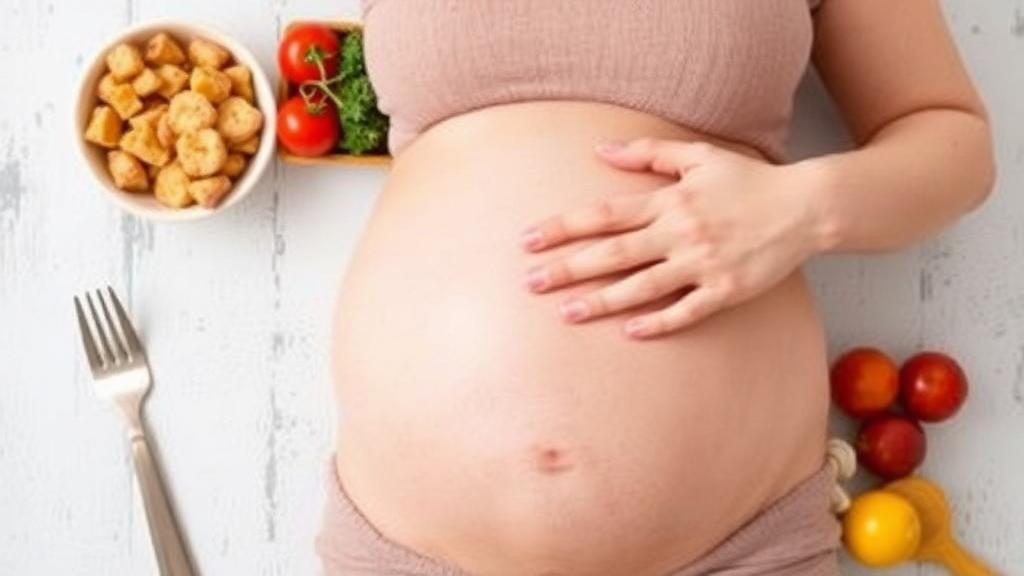
A significant observational study involving researchers from Harvard T.H. Chan School of Public Health, Boston Children’s Hospital, and the Harvard Pilgrim Health Care Institute indicates that a mother's diet during pregnancy can influence her baby's risk of developing colic and eczema. Published on October 12 in JAMA Network Open, the research finds that infants born to mothers adhering to a Mediterranean-style diet were considerably less likely to experience both conditions compared to those whose mothers followed a more inflammatory diet.
Read More
Colic, characterized by excessive crying in otherwise healthy infants, affects a substantial proportion of newborns and is a common reason for parental concern in early infancy. Eczema, another prevalent issue, is known as an early indicator of atopic diseases. The study observed that 26 percent of infants had colic, and 5 percent had both colic and eczema. Previous research by the same team suggests a link between infant colic and increased rates of atopic conditions later in childhood, including asthma and food allergies, making the combined presentation of colic and eczema particularly significant.
Jenifer Lightdale, the study's corresponding author and associate chief of the Division of Gastroenterology, Hepatology and Nutrition at Boston Children’s Hospital, highlighted this study's innovative focus on prenatal dietary habits rather than postnatal interventions. The research utilized data from Project Viva, a cohort study that enrolled over 1,300 pregnant women from various clinics in Eastern Massachusetts from April 1999 to November 2002. Participants completed food questionnaires during their pregnancies, allowing the researchers to assess their diets with established scoring systems: the Mediterranean Diet Score (MDS) and the Dietary Inflammation Index (DII).
Results indicated that each point increase on the Mediterranean Diet Score correlated with a 15 percent decrease in the likelihood of having a baby with both colic and eczema, whereas each point increase on the Dietary Inflammation Index was associated with a 34 percent increase in that risk. Importantly, the associations were most pronounced among infants whose mothers had a history of allergic conditions, suggesting that prenatal diet may be particularly critical for children predisposed to atopic diseases.
Among specific food groups, seafood consumption was notably beneficial; each weekly serving reduced the risk of both colic and eczema by 25 percent. This food source is rich in nutrients linked to immune and inflammatory regulation, although the study did not isolate specific components responsible for this effect. Interestingly, common allergenic foods like dairy and nuts showed no significant association with these infant outcomes, which may lessen concerns for pregnant women about consuming these foods.
Emily Oken, the first author of the study, pointed out that the findings provide actionable guidance for expectant mothers, emphasizing the importance of access to healthy nutrition. She hopes these results will inform policies and programs that support women's health, such as WIC and SNAP, in addressing dietary needs during pregnancy.
While the study's observational nature means it cannot confirm direct causation, the compelling consistency and dose-response patterns observed strengthen the case for considering prenatal diet in discussions about infant colic and eczema. For expectant parents, adopting a Mediterranean-style diet rich in fruits, vegetables, whole grains, legumes, healthy fats, and seafood may not only benefit pregnancy but also positively influence infant health.