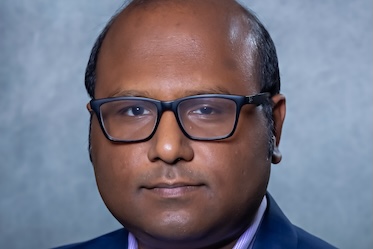
Kennesaw, Ga. | Oct 1, 2026 - Shumit Saha, a researcher at Kennesaw State University, has been awarded a $235,520 grant from the National Institutes of Health (NIH) to develop artificial intelligence tools aimed at analyzing snoring patterns. This research seeks to identify upper airway collapses during sleep, which is critical for predicting patient responses to hypoglossal nerve stimulation, a treatment for obstructive sleep apnea.
Read More
Obstructive sleep apnea is a chronic condition characterized by repetitive interruptions in breathing during sleep, often caused by blocked airways. Left untreated, it can lead to fatigue and serious health issues, including high blood pressure, stroke, and heart failure.
Current first-line treatment includes continuous positive airway pressure (CPAP) devices; however, many patients struggle to use these masks consistently due to discomfort. Alternative treatments range from jaw repositioning devices to surgery and nerve stimulation techniques. Saha emphasizes the importance of tailoring treatment to individual needs, as different patients respond variably to these options.
The project has two main objectives. The first is to explore whether analyzing snoring sounds can pinpoint the primary location of airway collapse, which may occur in areas like the soft palate or tongue base. Traditionally, this identification requires invasive procedures involving sedation and camera insertion, which are resource-intensive.
Saha's research aims to provide a less invasive solution through snoring analysis. The second goal is to assess whether distinct snoring patterns can predict how well a patient will respond to hypoglossal nerve stimulation, which helps keep the airway open by activating related muscles.
To achieve this, Saha will examine snoring data collected by collaborators from Brigham and Women's Hospital and Harvard Medical School, utilizing machine learning and deep learning models to identify patterns correlating with various obstruction sites and treatment responses.
Ultimately, Saha aims to develop an AI-based clinical tool that analyzes snoring sounds and produces reports estimating potential obstruction locations and treatment responses. He believes this approach could minimize the trial-and-error nature of diagnosing sleep apnea, leading to quicker, more informed treatment decisions and benefiting patient care.
This study is funded by NIH Grant No: 1R21HL188520-01.