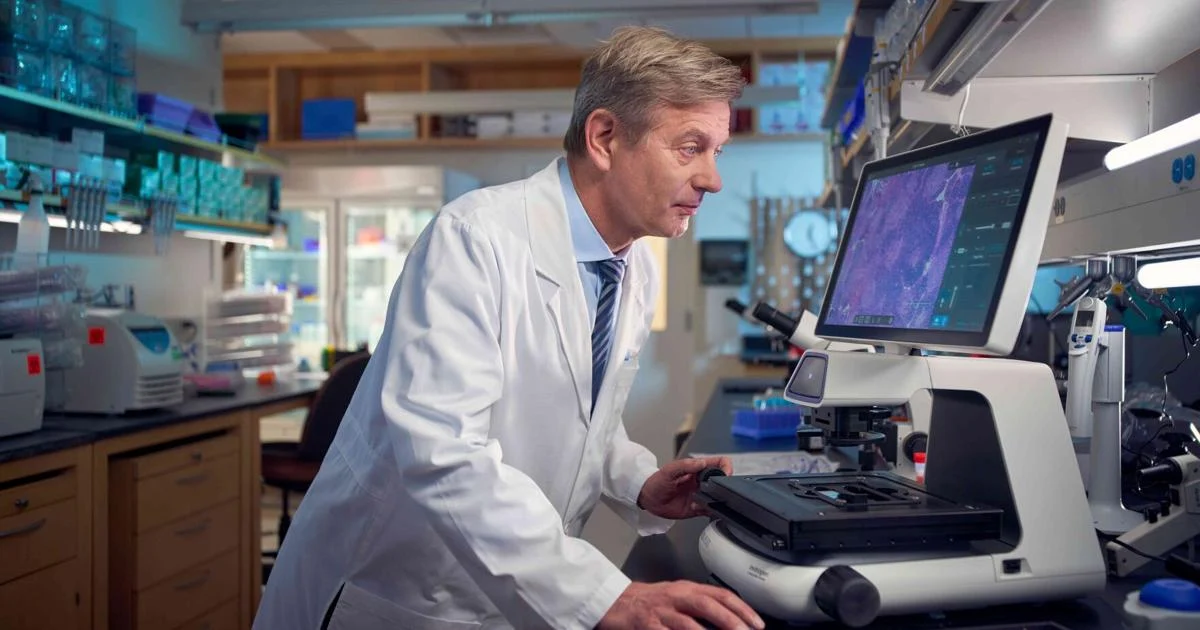
A study conducted by researchers at City of Hope, a prominent cancer research and treatment organization, suggests that reducing sugar intake could help protect the gut microbiome during antibiotic treatment. Published in *Nature*, the research focused on patients with blood cancer undergoing allogeneic hematopoietic cell transplant, a process known to significantly disturb gut microbiome balance and lead to various side effects.
Read More
The study involved Dr. Marcel van den Brink, chief physician executive at City of Hope, who emphasized the importance of maintaining microbiome diversity for overall health and immunity. The research aims to reinforce the concept of using dietary strategies to prevent and mitigate the adverse effects of antibiotic treatments, particularly in cancer patients.
Antibiotics are vital for treating infections, but they also diminish beneficial gut bacteria, resulting in an overgrowth of harmful microbes. The five-year study tracked 9,419 meals consumed by 173 hospitalized patients who were undergoing intensive treatment regimens that included chemotherapy and stem cell transplants. Throughout their hospital stays, over 80% of these patients were prescribed broad-spectrum antibiotics, which have a potent impact on gut bacteria.
Using detailed meal records, the researchers analyzed dietary habits in conjunction with microbiome diversity from stool samples. They utilized questionnaires that accompanied each meal to accurately gauge consumption. This method provided unprecedented data quality compared to traditional self-reports in nutrition studies.
The findings revealed a consistent pattern: patients consuming higher amounts of sugary foods while taking antibiotics exhibited a notable decline in microbiome diversity. Specifically, for every 100 grams increase in sugar intake, there was a corresponding 24% reduction in bacterial diversity. One particular strain, Enterococcus, became concerning, as its overgrowth can lead to severe complications, including bloodstream infections.
To further investigate the relationship between sugar and microbiome health, the researchers conducted experiments on healthy mice. Mice fed a high-sucrose diet alongside antibiotics showed similar microbiome disturbances as human patients, while those on a high-sugar diet without antibiotics maintained normal gut health.
Dr. van den Brink highlighted the implication of these findings for cancer care, noting that understanding dietary influences could be key to enhancing treatment outcomes. He acknowledged that many nutritional supplements provided to hospitalized patients often contain high sugar levels, which may warrant reevaluation.
While the study's results emphasize the potential benefits of limiting sugar during antibiotic treatment, Dr. van den Brink cautioned against universal recommendations, stating that evidence on probiotics remains inconclusive. He encouraged thoughtful selection of antibiotics and diet modifications as practical steps for preserving gut health.
City of Hope continues to integrate insights from microbiome research into cancer treatment, striving for improved recovery strategies and patient outcomes. The study received support from various health institutes, underscoring its significance in advancing cancer care.