The conversation around protein intake has grown significantly beyond bodybuilders to encompass topics such as fitness, healthy aging, weight loss, and general nutrition. Dr. Mike highlighted that this increasing interest is largely driven by individuals wanting to optimize their health and the rising use of GLP-1 medications.
Read More
Preserving muscle mass is essential for maintaining physical function and independence as people age. For those on GLP-1 medications, it becomes crucial to focus on muscle protection, as these drugs can decrease appetite by slowing digestion. While this can lead to lower food intake, it does not ensure that weight loss will be exclusively from body fat. Dr. Mike stated, "When we want people to lose weight, we want to maximize fat loss and minimize muscle loss," which emphasizes the importance of sufficient protein intake and resistance training. This training can involve weights, resistance bands, or bodyweight exercises, as simply increasing protein consumption without encouraging muscle adaptation may not lead to optimal results.
Regarding protein requirements for active adults, the standard guideline of 0.8 grams per kilogram of body weight is typically sufficient to avoid deficiency. However, Dr. Mike pointed out that this might be inadequate for those aiming to build muscle, sustain lean mass during weight loss, or maintain strength while on GLP-1 medications. For these individuals, approximately 1.5 to 1.6 grams per kilogram may be a more appropriate goal. Individual needs may vary based on factors such as age, activity level, body composition, and health conditions.
Dr. Mike also addressed the common belief that the body can only utilize a limited amount of protein at once. While consuming around 30 to 40 grams per meal effectively promotes muscle protein synthesis, eating more does not mean that leftover protein is negated. The total daily protein intake is often more significant than adhering to a specific intake immediately following workouts.
Dr. Mike cautioned against overemphasizing protein at the expense of a balanced diet, noting that excessive protein can displace essential nutrients, including fiber, carbohydrates, vitamins, and minerals. Individuals with conditions like recurring kidney stones or gout should consult with healthcare professionals to create tailored nutrition plans. "The biggest misconception is putting an overemphasis on protein as if it is the only nutrient that matters," he said.
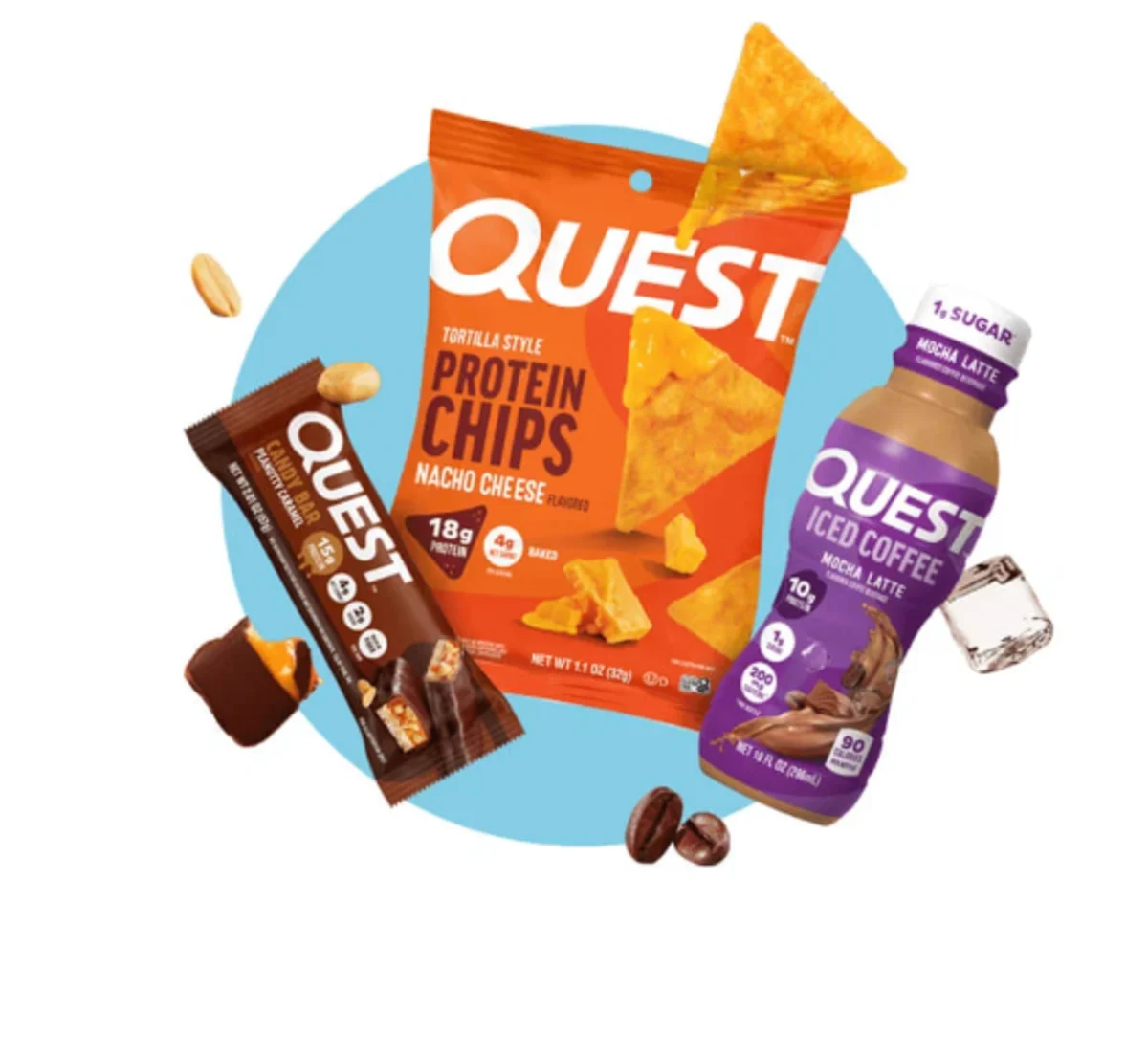
In his professional capacity, Dr. Mike, a licensed boxer who trains regularly, connects with Quest Nutrition's "Feed Your Athlete" initiative. This campaign communicates that being an athlete is not limited to professional sports; rather, it applies to anyone balancing training, work, and daily responsibilities with focus and discipline. Dr. Mike has relied on Quest products since high school, currently incorporating their protein bars and chips into his diet—especially during travel or busy periods.
His preferred choice is the Quest Cookies and Cream Protein Bar, as it helps him meet his protein and fiber requirements while satisfying his taste preferences. However, he emphasized that protein bars should not replace whole meals. Instead, they can serve as practical supplements when necessary to help achieve individual protein targets. Overall, Dr. Mike advocates for a holistic approach: consuming nutrient-dense meals, setting realistic protein goals, engaging in resistance training, and using supplements wisely when life gets hectic.
This article originally appeared in Men's Fitness on October 2, 2026.