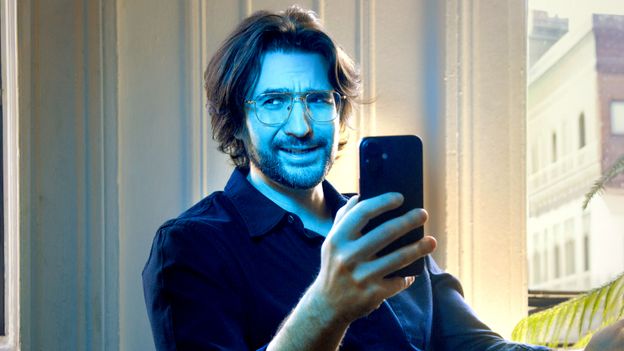
For years, blue light from screens has been blamed for poor sleep quality, but recent findings indicate the situation is more complex. Experts now suggest that the light emitted from phones and computers may have a negligible effect on sleep compared to other lifestyle factors.
Read More
Hana Mendel, who recently conducted an experiment to investigate blue light's impact on sleep, reported using specialized orange goggles to block blue light in her evenings. This included adding blackout curtains and using candles for illumination. The heightened anxiety around blue light began after a 2014 study in which participants reading on iPads before bed took longer to fall asleep compared to those reading physical books.
While that study linked blue light exposure to increased wakefulness and reduced melatonin production, critics like Jamie Zeitzer, a professor at Stanford University, argue that the conclusions drawn from the research were misleading. Zeitzer explains that although modern screens emit more blue light, the intensity is generally too low to significantly disrupt sleep.
Most experts agree that the everyday exposure levels to blue light from screens are not substantial enough to have a considerable impact on sleep. A review of several studies found that light from screens may only delay sleep onset by about nine minutes.
To understand the full scope of what influences sleep, Mendel followed expert advice, emphasizing the importance of maximizing light exposure during the day and minimizing it at night. This meant adjusting her daily routine to sit in front of a bright light in the morning while minimizing artificial light exposure in the evening.
Zeitzer highlighted the need for adequate daytime light exposure, suggesting that individuals often underestimate the amount of light in their daily environments. Natural sunlight exposure, even on cloudy days, provides significantly more light compared to artificial lighting indoors.
Throughout her experiment, Mendel documented her sleep patterns using a tracker but noted that while she felt slightly more motivated to prepare for bed, the overall quality of her sleep did not change drastically. Moving away from blue light did help reinforce bedtime habits, as new routines can serve as psychological cues to signal that the day is winding down.
As people continue to limit blue light exposure, the broader implications of lifestyle behaviors, such as screen time before bed, may play a more critical role in sleep quality than the blue light itself.