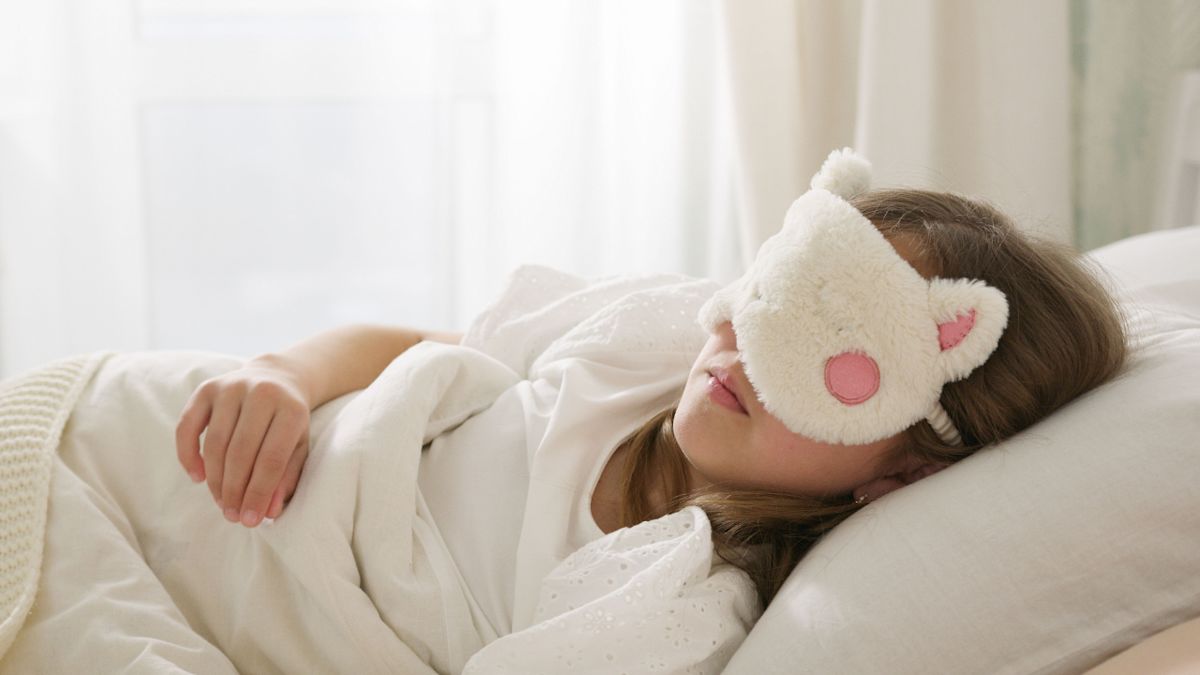
Pediatric obstructive sleep apnea (OSA) is a sleep disorder where a child’s airway becomes partially or completely blocked during sleep, leading to repeated breathing interruptions. These disruptions can fragment sleep and negatively impact a child's daytime functioning. OSA is estimated to affect 1% to 5% of children, particularly prevalent between the ages of 2 and 6. Symptoms include loud snoring, mouth breathing, restless sleep, and noticeable pauses in breathing.
Read More
The connection between sleep apnea and ADHD is significant, as the symptoms may overlap. A systematic review from 2026 found that 44% of children with ADHD also exhibited OSA, based on 11 longitudinal studies involving 903 children. According to psychiatrist J.J. Sandra Kooij, not only can ADHD lead to sleep issues, but sleep problems can also exacerbate ADHD symptoms. This overlap can complicate diagnoses in children struggling with attention, impulse control, or behavioral regulation.
The most common cause of pediatric OSA is enlarged tonsils and adenoids, which can constrict the airway during sleep. Other factors may include facial or skull structure, specific genetic or neuromuscular conditions, and obesity, especially in teenagers. Diagnosis can be challenging as children with sleep apnea may not always display typical symptoms like daytime sleepiness; instead, they might appear hyperactive, inattentive, irritable, or have academic difficulties.
A 2024 review highlighted that symptoms such as hyperactivity and attention challenges often overlap with those of ADHD, which raises the possibility that sleep-related issues might be overlooked when behavioral symptoms are attributed solely to ADHD. Importantly, this does not imply that sleep apnea causes ADHD or that ADHD diagnoses are incorrect; clinicians should evaluate both conditions in symptomatic children.
Parents are encouraged to monitor for signs of sleep apnea, such as persistent snoring, pauses in breathing, gasping, restless sleep, and unusual behavior during the day. The Mayo Clinic advises consulting a healthcare professional if a child shows symptoms of obstructive sleep apnea, especially frequent snoring. Diagnosis may involve a comprehensive medical history, physical examinations, and possibly an overnight sleep study.
Treatment strategies vary based on the underlying cause and severity of the condition; options may include surgical removal of enlarged tonsils or adenoids, medications, lifestyle adjustments, or continuous positive airway pressure (CPAP) therapy. To mitigate some risk factors, parents can encourage regular exercise, help manage allergies, and minimize tobacco smoke exposure. However, many causes of childhood sleep apnea are not preventable, so families should not blame themselves for the condition.
The key takeaway is that persistent sleep issues in children warrant medical evaluation. The Cleveland Clinic emphasizes the importance of seeking professional assessment if signs of childhood sleep apnea are observed, particularly when there are breathing interruptions during sleep.