A phase 3 clinical trial has demonstrated that a once-nightly oral medication, AD109, significantly improves obstructive sleep apnea (OSA) by reducing breathing interruptions. The study, presented at the 2026 ATS International Conference, assesses how AD109 addresses the neuromuscular dysfunction contributing to airway collapse during sleep.
Read More
Titled "Aroxybutynin and Atomoxetine (AD109) for Obstructive Sleep Apnea: A Randomized Phase 3 Trial," the research was published in the American Journal of Respiratory and Critical Care Medicine. In the SynAIRgy trial, participants who took AD109 experienced fewer breathing interruptions, recorded lower oxygen deprivation, and achieved improved blood oxygen levels. Over 40% of participants moved to a less severe OSA category, and 18% achieved complete disease control.
First author Patrick John Strollo, MD, a sleep medicine physician at the University of Pittsburgh Medical Center, highlighted the significance of these results: "These results provide encouraging evidence that targeting neuromuscular dysfunction can translate into meaningful clinical outcomes, aligning with our evolving understanding of the disease biology."
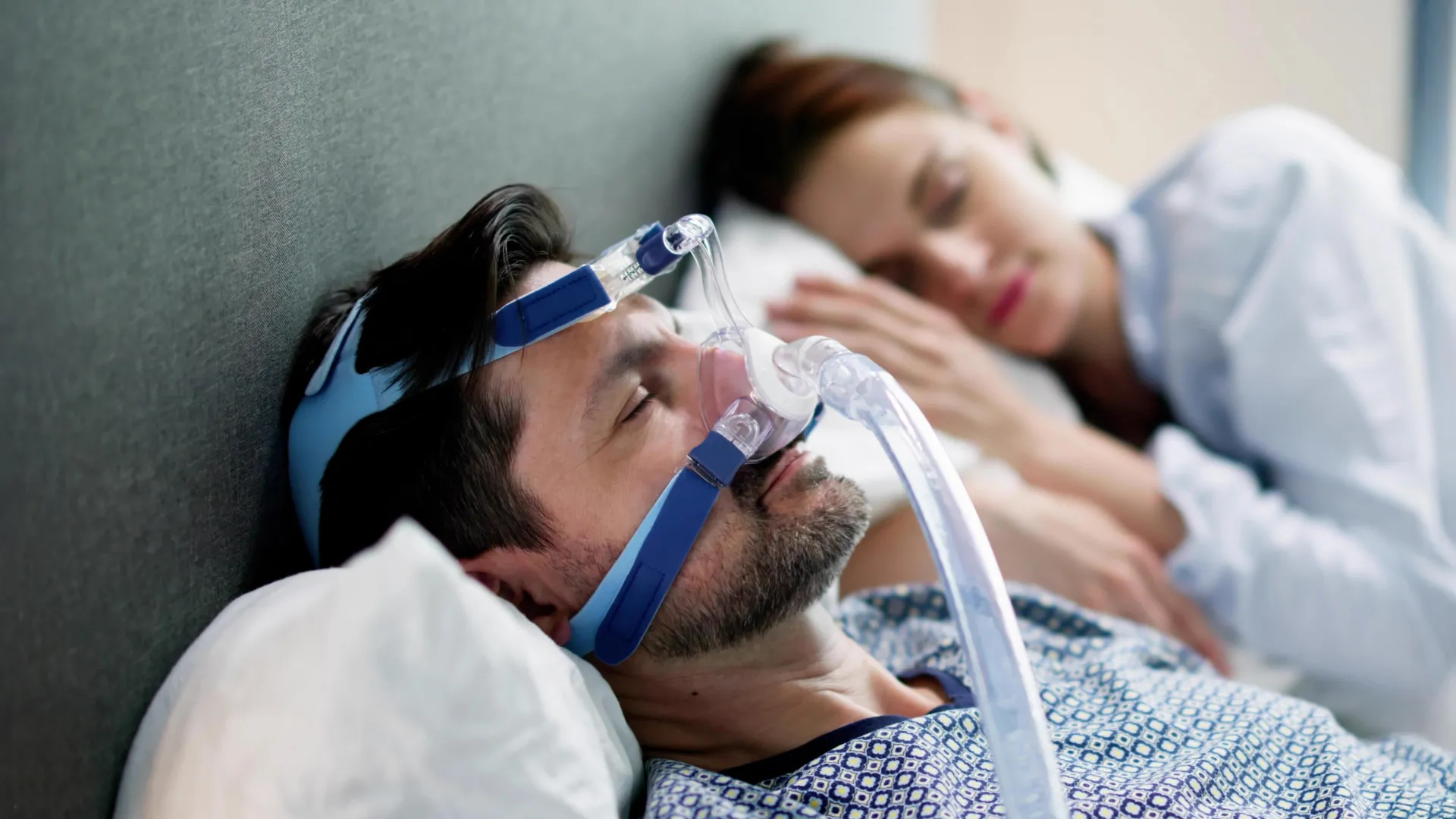
AD109 could serve as an alternative for patients who struggle with Continuous Positive Airway Pressure (CPAP), the current standard treatment for OSA. Strollo pointed out that many chronic diseases are treated effectively, and it should be similarly attainable for OSA patients. He noted, "An oral pill that targets the underlying neuromuscular drivers of airway collapse during sleep could help address this gap and broaden the range of effective options for patients who remain untreated today."
The medication combines aroxybutynin and atomoxetine, aimed at strengthening throat muscles to prevent airway collapse during sleep.
In the six-month trial conducted across 69 sites in the U.S. and Canada, 646 adults with mild to severe OSA participated. All had either declined CPAP or were unable to tolerate it. Among those taking AD109, the apnea-hypoxia index—a measure of breathing interruptions per hour—declined by approximately 44%. In contrast, participants on placebo saw a reduction of only 18%. Additional improvements were observed in oxygen desaturation index and hypoxic burden.
AD109 was generally well-tolerated, with reported side effects being mild and including dry mouth, nausea, insomnia, and difficulty urinating. About 21% of participants discontinued treatment due to side effects.
Looking ahead, the findings will be published alongside a mechanistic review in the American Journal of Respiratory Cell and Molecular Biology. The FDA has granted Fast Track designation to AD109 for OSA treatment, indicating the demand for effective drug therapies. Apnimed has submitted a New Drug Application (NDA) for AD109 and anticipates a potential action date with the FDA in the first quarter of 2027.