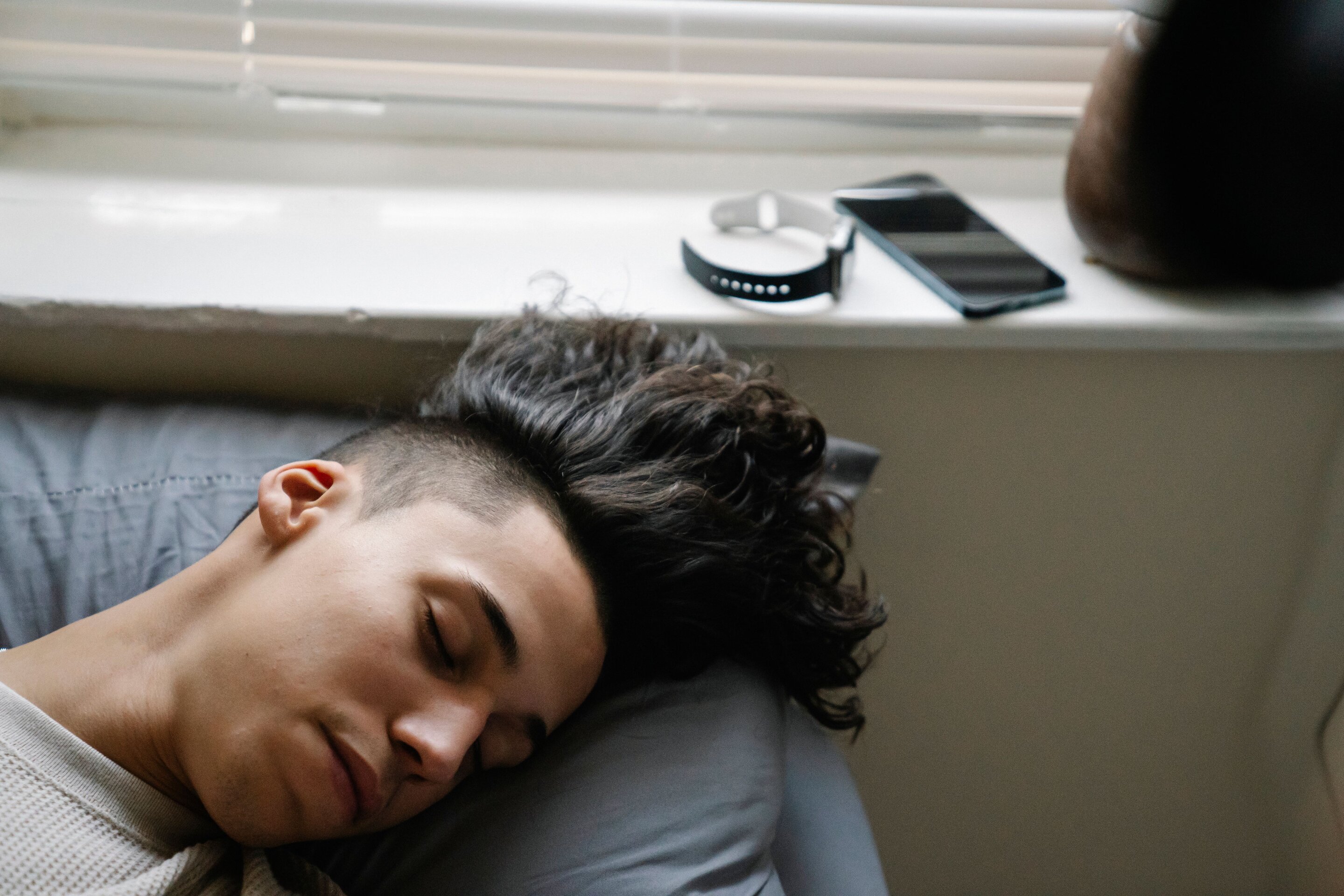
A recent study by researchers at Penn State highlights how young adults are affected by their sleep environments, indicating that factors such as brightness, noise, and temperature can significantly disrupt the quality of their sleep. Adwoa Dadzie, a doctoral candidate in biobehavioral health and the study's lead author, noted that these environmental disturbances may have long-term health implications.
Read More
The research, published in Sleep Health, involved 372 young adults with an average age of 22 who participated in the Future of Families' Young Adult Sleep Study. Over a period of 14 days, participants reported their sleep quality and whether environmental factors were disruptive, while also wearing wrist sensors to objectively track their sleep patterns.
Findings show that a bright or noisy bedroom led to longer times falling asleep, increased awakenings during the night, and poorer overall sleep quality. Interestingly, the research revealed that while environmental disruptions affected sleep quality, they did not significantly impact the total hours of sleep. It is theorized that young adults might be better able to compensate for sleep disturbances by sleeping in later.
Co-author Orfeu Buxton emphasized the importance of understanding personal perceptions of sleep disruption, stating that while objective measures exist, individual experiences of noise and light can vary widely. He noted, for instance, that someone accustomed to urban noise might find it less disruptive than someone from a quieter background.
The study also underscores the significance of sleep habits during young adulthood, a critical developmental period. Buxton suggested that good sleep habits formed early can lead to healthier patterns later in life. Researchers recommend simple changes, such as using earplugs or blackout curtains, to help mitigate environmental disruptions to sleep.
For additional details, see: Adwoa Dadzie et al, Daily associations between the physical environment and sleep among a diverse, national sample of young adults, Sleep Health (2026). DOI: 10.1016/j.sleh.2026.07.010.