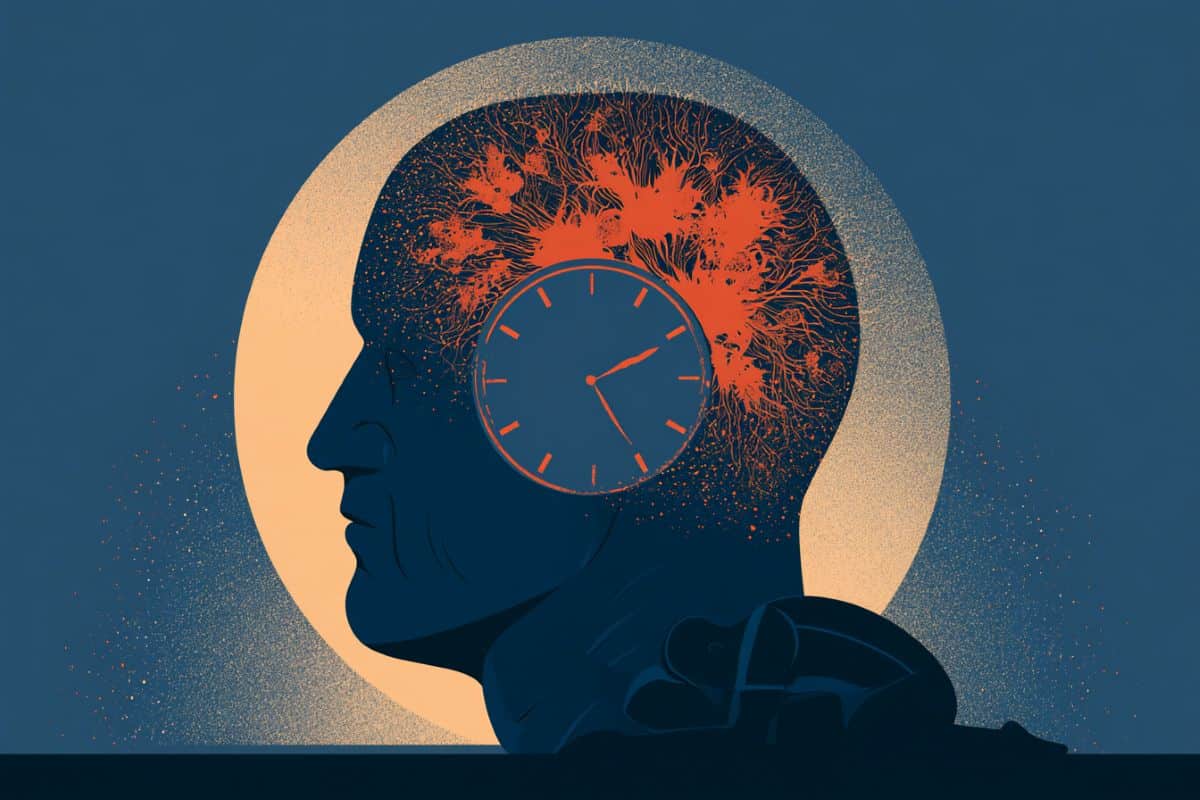
A recent study by researchers at Mass General Brigham reveals a significant connection between the body's internal clock and diet-induced thermogenesis (DIT), the energy expended after a meal. The findings indicate that the body’s 24-hour circadian rhythm independently regulates how efficiently calories are burned, particularly in relation to meal timing.
Read More
The research highlights that DIT peaks in the biological morning, around 7:00 AM, when energy expenditure for processing food is at its highest. In contrast, DIT reaches its lowest point in the biological evening, around 7:00 PM. This fluctuation occurs regardless of a person's actual waking or activity times.
Utilizing the “Constant Routine” laboratory protocol, the study controlled for environmental and behavioral factors, allowing researchers to focus solely on the internal circadian rhythm. This methodology effectively demonstrated that the body's clock governs these metabolic changes independent of sleep, physical activity, or ambient light.
The study's authors note that this circadian-driven variation in calorie burning explains why eating later in the day can lead to increased body weight, as later meals result in lower calorie expenditure compared to similar meals consumed in the morning.
Co-lead authors Han-Chow Koh, PhD, and senior author Frank A.J.L. Scheer, PhD, published their findings in the journal Metabolism. They emphasize that understanding DIT's timing is crucial for weight management and metabolic health, underscoring the importance of consuming larger meals earlier in the day.
The research team included Nina Vujović and other contributors, and the study received funding from the National Institutes of Health (NIH). This research addresses broader questions about how circadian rhythms affect human metabolism and suggests evidence-based dietary recommendations to optimize health.
Given these insights, individuals looking to manage their weight may benefit from adjusting the timing of their meals to align with their biological rhythms.