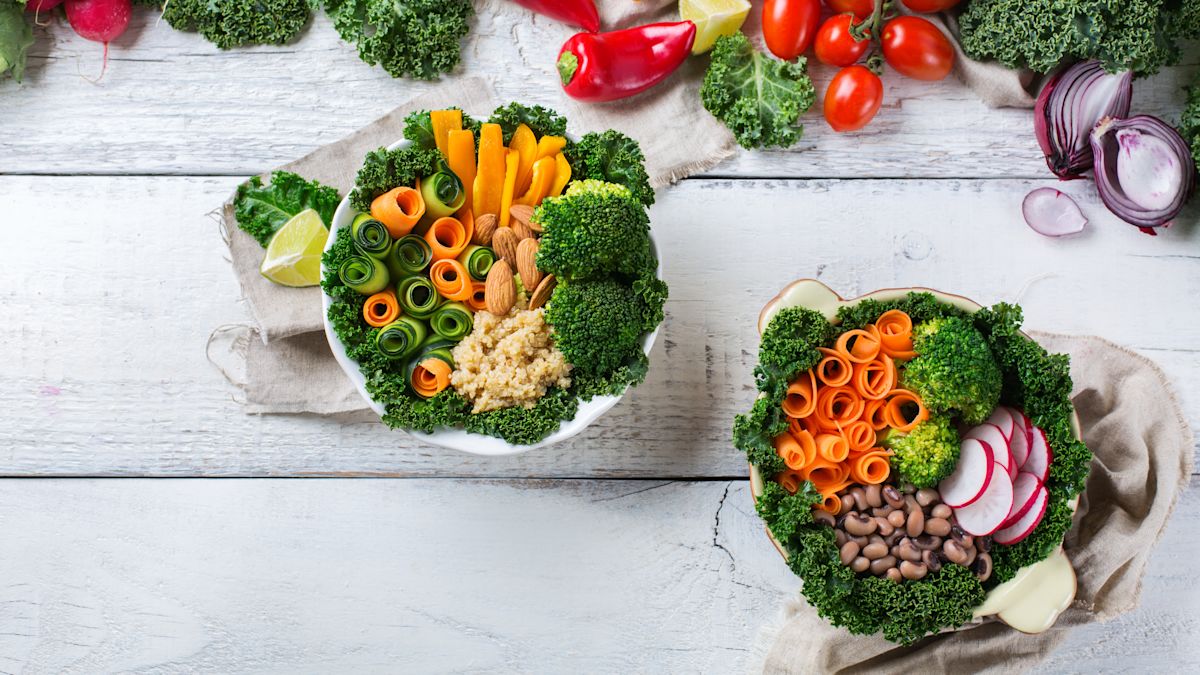
Many individuals embrace veganism by eliminating meat, prioritizing plant-based meals, and scrutinizing grocery labels. However, nutrition experts caution that even dedicated vegans may hold misconceptions about their diets. Registered dietitians Vanessa Rissetto and Stephanie Gomez shared insights into prevalent myths they encounter in their practices.
Read More
One major myth is the assumption that a vegan diet is inherently healthy. Rissetto stresses that ‘plant-based’ is a marketing term, not synonymous with health. She noted that some processed foods, like Oreos, are technically vegan. Both experts emphasize the importance of evaluating ingredient lists rather than relying solely on labels. Gomez adds that while a whole-food, plant-based diet can reduce chronic disease risk, vegan diets are often built on ultra-processed products that may not offer health benefits.
Protein intake is another area where misconceptions abound. Rissetto points out that many vegans do not consume enough protein at each meal to support key bodily functions. While beans, lentils, and oats are staples, Gomez explains that the fiber in these foods can slow digestion, necessitating mindful planning of protein sources. The recommended protein intake for healthy adults ranges from 0.8 to 1.6 grams per kilogram of body weight, varying by factors such as age and activity level.
Moreover, Gomez emphasizes the need for dietary variety. Instead of relying heavily on a few foods, she advises incorporating a wide range of legumes, grains, nuts, seeds, and soy products. This approach supports optimal nutrition and diverse gut microbiomes.
Experts also point out that, while soy foods are complete proteins, relying on them alone limits dietary diversity. Other complete protein sources include quinoa, hemp seeds, chia seeds, and certain combinations of foods, like beans and rice.
Another myth is the notion that all processed foods, particularly meat alternatives, should be avoided. Gomez clarifies that products like Beyond Meat can be healthier than traditional meat options, as they often contain less saturated fat and more fiber. She encourages vegans to include these products to enrich their diets.
Rissetto highlights that beyond vitamins B12 and D, which are often discussed, many nutrients require attention in a vegan diet. These include iron, omega-3 fatty acids, zinc, iodine, and calcium. She emphasizes the importance of optimization rather than merely avoiding deficiencies. Gomez adds that most people, vegan or otherwise, may need vitamin D supplementation unless they receive adequate sunlight exposure.
When transitioning to a vegan diet, individuals may face digestive discomfort due to increased fiber intake. Both experts advise gradual increases to fiber consumption alongside proper hydration to help the body adapt.
A prevalent psychological hurdle in vegan communities is the belief that a single unintentional consumption of animal products constitutes a failure. Rissetto believes that one meal does not define health or identity, advocating for a mindset focused on long-term consistency rather than rigidity. Gomez echoes this sentiment, encouraging kindness toward oneself for any missteps.
Finally, both experts warn that having confidence in one's knowledge does not guarantee accuracy in nutritional intake. They recommend regular check-ins with healthcare providers and food logging to ensure dietary adequacy. Overall, they agree that a well-planned vegan diet can be extremely beneficial for long-term health.