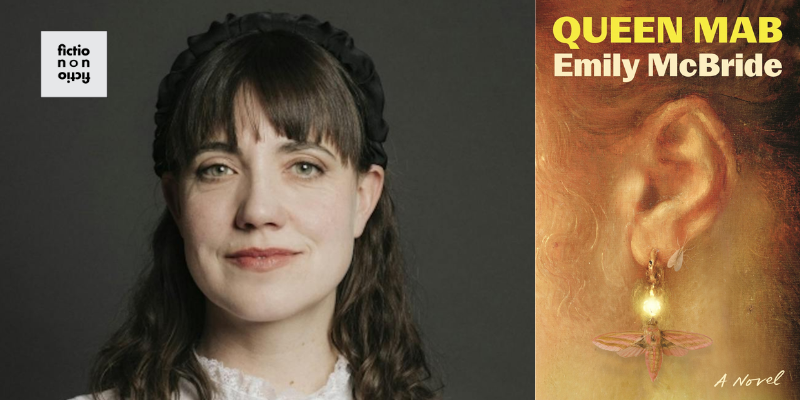
Fiction writer Emily McBride joined co-hosts V.V. Ganeshananthan and Whitney Terrell to explore her debut novel, *Queen Mab*, and the topic of maternal mental health. During the discussion, McBride addressed the intense media coverage surrounding the trial of Lindsay Clancy, a Massachusetts woman charged with murdering her three children, and how Clancy's insanity defense is influencing public dialogue about postpartum psychosis.
Read More
McBride reflected on the protagonist of *Queen Mab*, a 23-year-old graduate student struggling to bond with her infant and questioning whether her child might be a changeling. She described her narrative techniques, which illustrate the character's changing perception of reality, and explained the relevance of literary references to changelings and fairies amidst the challenges of new motherhood. She further commented on how perceptions of notorious “bad mothers” in folklore impact societal understandings of postnatal depression.
In a segment of their conversation, Ganeshananthan raised a point about the character Madeleine’s adoption and how it affects her relationship with her mother, Carol. McBride noted that Carol, who could not have children biologically, often idealizes motherhood, while Madeleine finds herself unprepared for the emotional aspects of being a mother. This contrast highlights various experiences and dynamics within families that desire or reject motherhood.
Ganeshananthan and Terrell also delved into the influence of literature on Madeleine's experience, especially regarding feelings of detachment. McBride discussed how changeling narratives, which she remembered from her childhood reading, resonate with her own experiences of motherhood. She emphasized the historical context of how people have interpreted their struggles and how literature provides insights into these complex feelings.
In sharing her own experience with postnatal depression, McBride expressed feelings of emotional numbness, which she later learned was symptomatic. She aimed to amplify these emotions through her character to shed light on difficult conversations around motherhood. Through Madeleine, who is well-versed in literature, McBride effectively connects contemporary and classical narratives that offer perspectives on crises in life, suggesting that gaps in literature addressing motherhood's challenges are significant and worth exploring.