Vitamin A deficiency is a major global health issue, primarily affecting preschool-aged children in regions such as sub-Saharan Africa and South Asia. This deficiency is the leading cause of childhood blindness and can also be fatal. Approximately one-third of children in these populations suffer from a lack of this essential nutrient.
Read More
Researchers at MIT have created a novel method to fortify foods with vitamin A, aiming to improve health outcomes for millions. Their study demonstrates that encapsulating vitamin A within a protective polymer significantly enhances its stability during cooking and storage.
Ana Jaklenec, a research scientist at MIT’s Koch Institute for Integrative Cancer Research, emphasized the importance of vitamin A, stating, "Vitamin A is a very important micronutrient, but it’s an unstable molecule." The team investigated whether encapsulated vitamin A could effectively fortify common food products, such as bouillon cubes or flour, ensuring the nutrient remained biologically active and absorbable.
In a small clinical trial, participants who consumed bread fortified with encapsulated vitamin A showed similar absorption rates to those who ingested vitamin A directly. This technology has already been licensed to two companies that aim to develop food products utilizing it.
Robert Langer, a professor at MIT, expressed excitement over the findings, noting that the study validates their earlier laboratory results in human applications. He hopes the technology will eventually aid millions—if not billions—of people in developing countries.
The study, published in the Proceedings of the National Academy of Sciences, was led by former MIT postdoc Wen Tang, now an associate professor in China.
Vitamin A is crucial not only for vision but also for immune system function and the health of organs. Previous attempts to add vitamin A to staple foods like bread and bouillon cubes faced challenges due to the nutrient’s instability.
In 2019, the MIT team demonstrated that a polymer called BMC could effectively encapsulate nutrients while enhancing their shelf life. BMC, which the FDA classifies as “generally regarded as safe,” has applications in drug and dietary supplement coatings. The new research focused on encapsulating vitamin A—particularly sensitive to temperature and UV light.
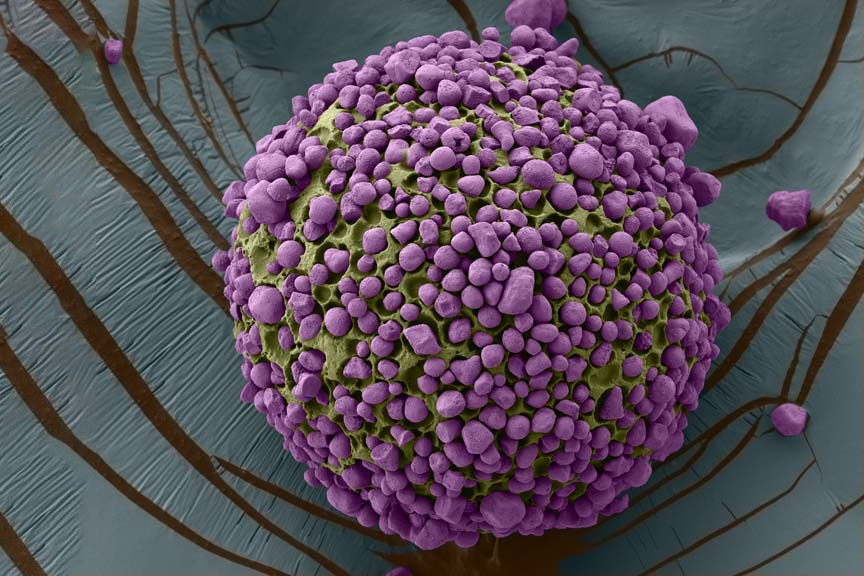
Using a spinning disc process, the researchers formed polymer particles ranging from 100 to 200 microns. They coated these with starch to prevent clumping. Their experiments revealed that encapsulated vitamin A maintained its effectiveness under adverse conditions, outperforming traditional forms used in food fortification.
In long-term storage tests mimicking conditions specified by the World Health Organization, encapsulated vitamin A remained stable, ensuring that food fortified with it could still provide the necessary daily intake even after prolonged exposure to heat and humidity.
In animal tests, 30% of the encapsulated vitamin A was absorbed, matching the absorption level of uncooked free vitamin A; in contrast, only 3% of cooked free vitamin A was absorbed. A collaboration with Biofortis tested absorption levels in humans consuming bread with the encapsulated technology, achieving results comparable to free vitamin A.
Two companies have licensed this encapsulation technology. Particles for Humanity, funded by the Bill and Melinda Gates Foundation, aims to integrate it into existing fortification initiatives in Africa, while VitaKey, co-founded by Jaklenec and Langer, seeks to add nutrients to various foods and beverages.
The research was supported by the Bill and Melinda Gates Foundation, with several collaborators contributing to the study.