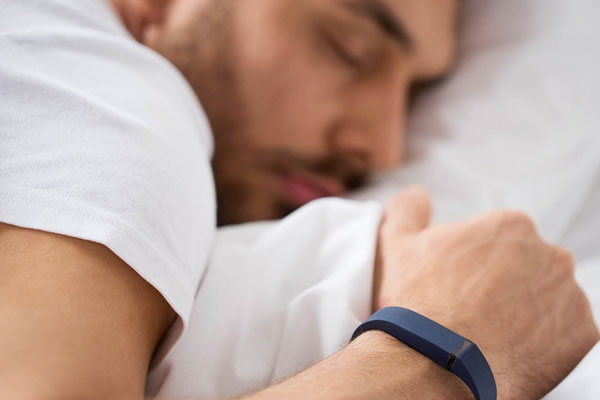
A new study from Scripps Research suggests that digital activity trackers (DATs) can offer insights into health risks such as obstructive sleep apnea (OSA) and hypertension. The research, published in the *Journal of Medical Internet Research* on December 3, 2025, indicates a significant association between sleep variability—the fluctuations in sleep timing from night to night—and the likelihood of developing these health issues.
Read More
Stuti Jaiswal, the senior author and assistant professor at Scripps Research, highlighted the potential of DATs to detect meaningful health patterns. She noted that as digital health studies gain acceptance, this research demonstrates how these technologies can shed light on the impact of sleep on cardiovascular health.
Sleep apnea affects approximately 50 million Americans, increasing their risk for conditions such as hypertension, heart disease, and stroke. Meanwhile, nearly half of U.S. adults over 18 suffer from high blood pressure, escalating their risk for heart attacks and heart failure. The ability to use DATs to identify risks may enable earlier treatment for these conditions.
The study involved over 1,000 adults recruited for the Research Framework for Exploring Sleep Health (REFRESH), a smartphone-based initiative focusing on sleep's impact on physical and mental health. Around 400 participants provided an average of two years of sleep data from their DATs and completed surveys assessing their risk of sleep apnea as well as their sleep preferences, with about 40 percent identified as night owls. The study primarily analyzed data from Fitbit devices, as they were the most commonly used among participants and heavily researched in sleep studies.
The researchers discovered that individuals with sleep timing variations, such as going to bed an hour earlier or later, were over twice as likely to develop sleep apnea and 71 percent more likely to experience high blood pressure. This correlation underscores the potential for digital studies to reveal clinically meaningful health patterns over time, although further inquiry into the underlying causes of this association is necessary.
Natalia Orendain, the study's first author, emphasized the advantage of DATs in capturing extensive data over time, supporting the potential for consumer wearables in early disease detection. Jaiswal noted that increasing irregular sleep patterns may contribute to cardiovascular disease through factors like inflammation and metabolic dysfunction.
The current research focuses on identifying these associations, with future intentions to explore how to help individuals improve their health. Jaiswal expressed hopes that this work could highlight unnoticed health risks and facilitate earlier interventions to enhance health outcomes.
The study, titled “Digital biometrics in predicting risk for obstructive sleep apnea and hypertension: A decentralized, prospective cohort study,” includes contributions from Samantha Spierling Bagsic from Scripps Health, along with Edward Ramos and Jay Pandit of Scripps Research, and Robert L. Owens from the University of California, San Diego School of Medicine. The research received partial funding from the NIH/NCATS through a clinical and translational science grant.