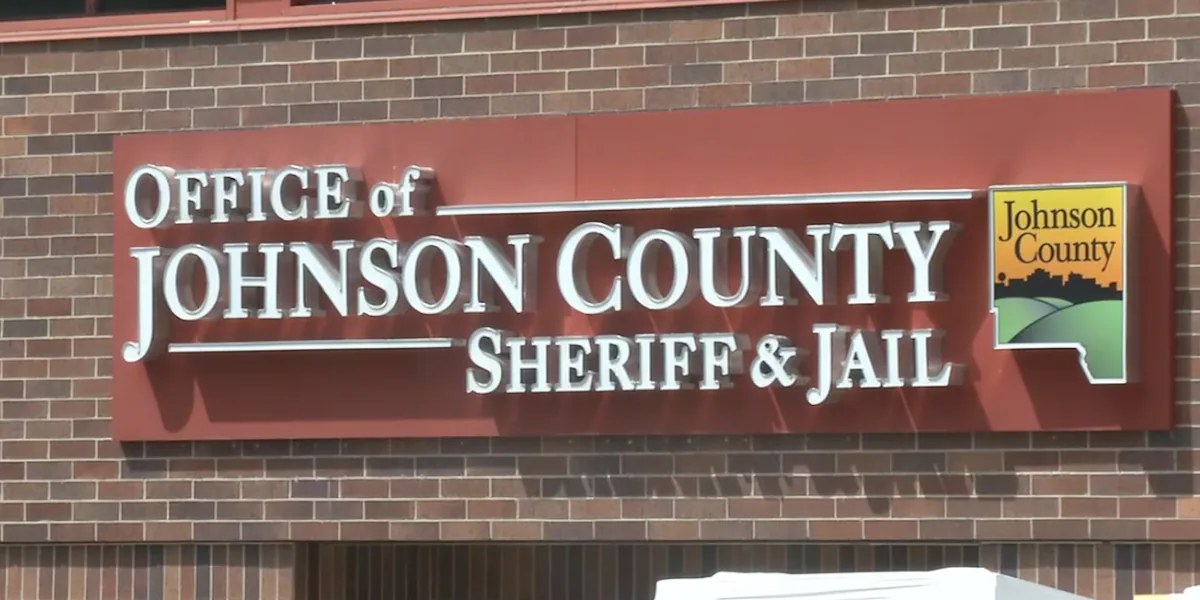
IOWA CITY, Iowa - Leslie Carpenter, a longtime mental health advocate, has expressed her support for a proposed new jail in Johnson County, which will be on the ballot in November. Carpenter noted that the current Johnson County jail often experiences overcrowding, leading to inmates being sent to facilities in other counties, which she believes negatively impacts those with serious mental illnesses.
Read More
She criticized the existing medical clinic within the jail, describing it as a small, cramped space that is unsuitable for individuals experiencing acute psychiatric episodes. "The medical clinic space is a tiny room. I can’t imagine being in that space with someone who’s in an active psychosis. It’s too small, it’s physically unsafe," Carpenter stated.
Carpenter emphasized that it is not ideal for law enforcement to arrest individuals whose behavior is a result of mental illness, particularly when they are not receiving proper treatment. She highlighted the challenges faced when inmates are transferred to facilities in other counties, stating that it distances them from their families and legal representation, and limits access to mental health and substance use treatment.
There has been dissent regarding the new jail from other mental health advocates. Johnson County Supervisor V Fixmer-Oraiz recognized the need for improvements in the current jail but does not support the upcoming ballot measure, arguing that jails do not inherently promote better mental health. "To suggest that people would be healthier for their mental health to be in jail seems really out of touch with reality," Fixmer-Oraiz remarked.
While Carpenter agrees that jails are not a solution for improving mental health, she insists that inadequate facilities exacerbate existing issues. She pointed out that law enforcement often finds themselves dealing with individuals with severe mental health conditions. "It’s not the fault of the police that people are ending up in their hands with a mental illness," Carpenter said.
If approved by voters on November 3, the $94 million project would lead to an increase of approximately $176 a year in property taxes for a home valued at $200,000.