Vitamin D is essential for bodily functions, including immune system regulation, bone health, and muscle regeneration. However, approximately 1 billion people globally suffer from vitamin D deficiency, a condition exacerbated in winter when UVB rays are scarce. The body generates about 80% of its vitamin D from sunlight, with the rest sourced from dietary intake.
Read More
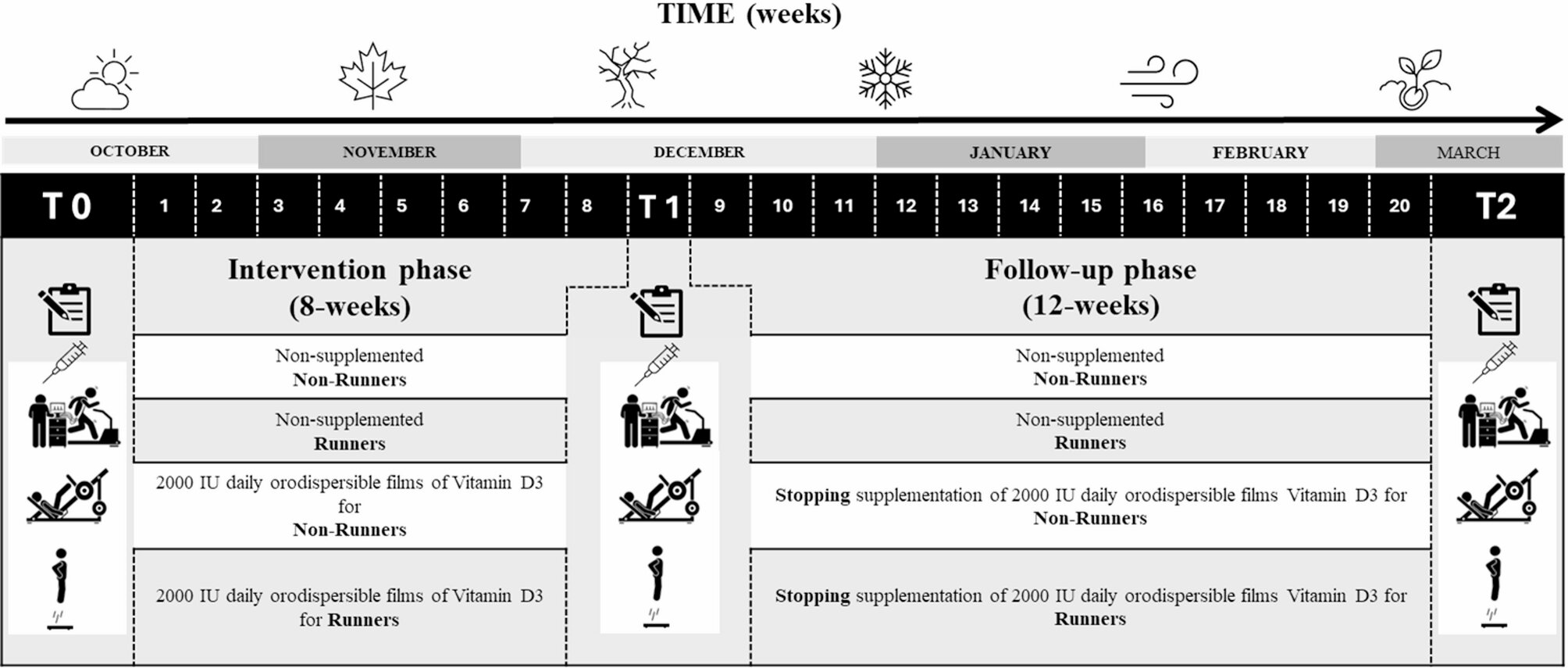
Eneko Fernandez, a researcher at EHU-University of the Basque Country, conducted a study in partnership with the University of Urbino in Italy, examining the effects of vitamin D supplementation on runners and non-runners. Participants took daily vitamin D supplements for eight weeks during autumn and winter. The findings are reported in the journal Scientific Reports.
Blood tests revealed that vitamin D levels increased in individuals who took the supplement. However, a significant observation was that the vitamin D levels of outdoor runners who did not supplement were comparable to those of non-runners who did take the supplements. Fernandez noted that outdoor training allows more skin exposure to sunlight, leading to greater vitamin D production naturally.
The study also indicated that vitamin D supplements can enhance immune system function. Participants who supplemented showed improvements in white blood cell counts, suggesting that these supplements contribute to a more balanced immune response, though they do not guarantee illness prevention.
In terms of physical performance, the study found no direct benefits from vitamin D supplementation. Tests measuring maximum oxygen consumption and leg power showed no significant improvements post-treatment. Fernandez clarified that vitamin D does not enhance performance like steroids or erythropoietin (EPO). The study reaffirmed the superior physical condition of the outdoor runners, despite them being amateurs.
The recommendation is to engage in outdoor activity during winter, ideally with less clothing to maximize sunlight exposure, as exercise in natural settings can greatly aid in combating vitamin D deficiency. Simple activities like running at a moderate pace for 20-30 minutes offer considerable benefits compared to inactivity.
The study, titled "Effects of vitamin D supplementation during autumn and winter on blood biomarkers and physical performance in runners and non-runners," was published in Scientific Reports, DOI: 10.1038/s41598-026-38528-1.