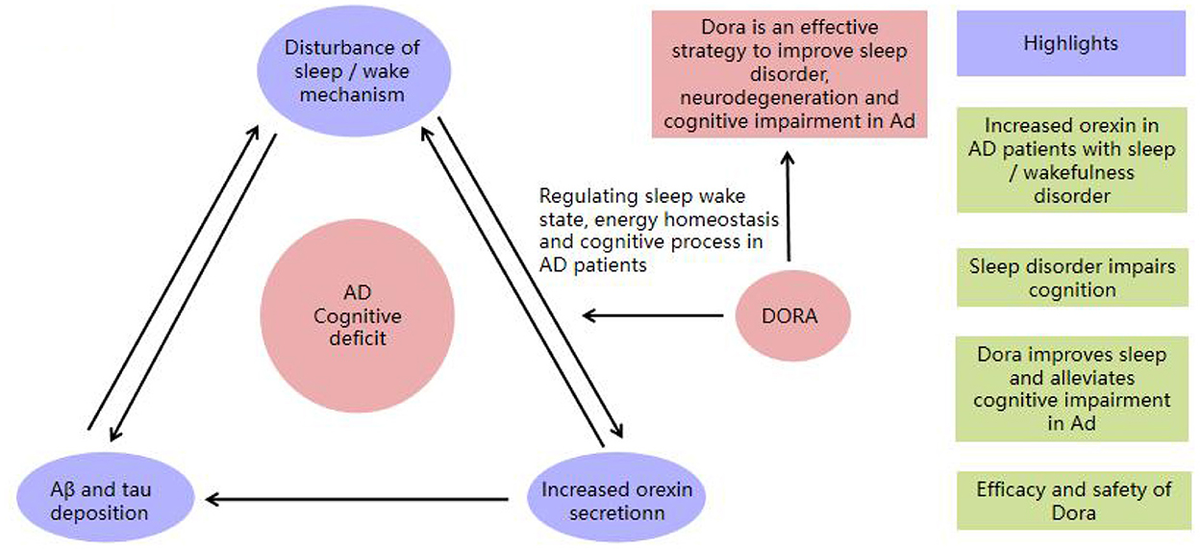
Orexin, a neuropeptide produced by the lateral hypothalamus, regulates the sleep-wake cycle and is linked to sleep/wakefulness disorders in Alzheimer's disease (AD). Research indicates that increased cerebrospinal fluid orexin levels correlate with worsening sleep quality in AD patients. The dual orexin receptor antagonist (DORA) may effectively address these sleep issues and enhance cognitive function in affected individuals. Investigating the orexin system's role in AD, particularly its connection to cognitive decline, and evaluating DORA's safety and efficacy, are crucial.
Read More
Sleep plays a vital role in clearing neurotoxic substances from the brain, and prolonged sleep disturbances can lead to cognitive impairments in daily life. Studies reveal that 25% to 60% of AD patients experience sleep issues, such as circadian rhythm disorders and fragmented sleep. Increased orexin-A levels in moderate to severe AD cases may contribute to these disruptions.
Orexin neurons project to areas involved in arousal and cognition, including the medial prefrontal cortex and hippocampus. They regulate various physiological processes such as feeding, energy metabolism, and sleep/wakefulness. DORA works by inhibiting overactive arousal pathways linked to orexin signaling, potentially improving both sleep quality and cognitive performance through neurogenesis stimulation in the hippocampus.
The basal forebrain cholinergic system is crucial for wakefulness and cognitive function, and its degeneration in AD may lead to compensatory hyperactivity in the orexin system. This hyperactivity might maintain cognitive function to some extent, but it could also contribute to cognitive impairment through excessive arousal.
AD patients frequently experience sleep/wakefulness disorders, including excessive nighttime awakenings and daytime sleepiness, which can significantly interfere with their daily functioning. Additionally, there is a complex, bidirectional relationship between sleep disorders and AD. For instance, disordered sleep can increase the risk of developing AD, while elevated orexin levels can lead to increased nighttime wakefulness and diminished sleep quality.
Sleep is essential for memory consolidation, and disruptions in sleep patterns can hinder the brain's ability to clear amyloid-beta and tau proteins, which are involved in AD pathology. Shortened REM sleep duration correlates with a higher risk of cognitive decline, highlighting the importance of maintaining normal orexin signaling in regulating the sleep-wake cycle.
DORA has been shown to improve sleep and cognitive function in AD by targeting the orexin signaling pathway. It effectively enhances sleep quality without significantly impacting next-day performance. Unlike other sleep medications that may impair cognition, DORA has demonstrated increased cognitive performance in animal studies. It has been found to reduce amyloid plaque and tau protein formation in models of AD, suggesting its potential in alleviating cognitive deficits.
DORA was approved by the FDA for treating insomnia in 2014 and has shown favorable outcomes regarding its safety profile in patients with chronic insomnia, including those with AD. It has been well-tolerated, with most side effects being mild to moderate, such as fatigue and dry mouth.
In conclusion, targeting the orexin system may present a promising therapeutic avenue for AD. Understanding the relationship between orexin levels, sleep disorders, and cognitive decline could be crucial in developing preventive strategies against AD progression. Future research should further investigate these connections and the broader implications of DORA in managing AD-related cognitive dysfunction.
Keywords: Alzheimer's disease, cognition, insomnia, orexin, treatment.