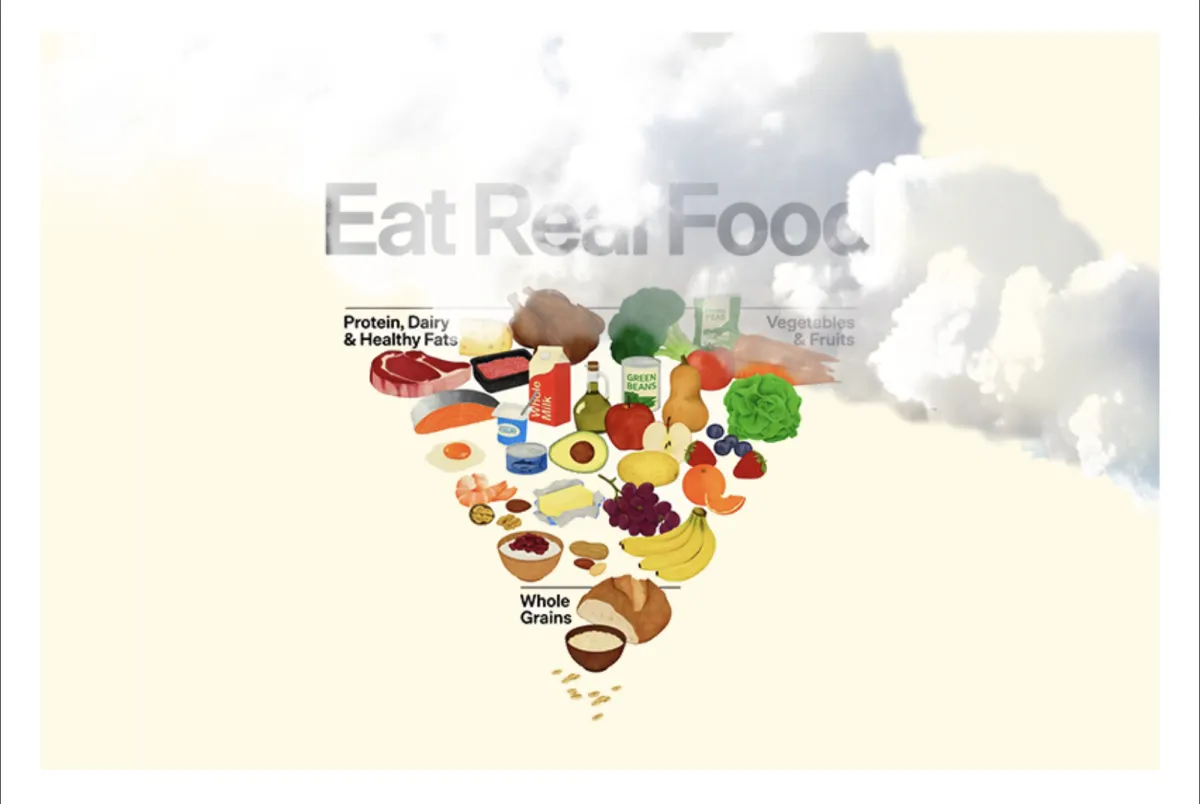
US dietary guidelines have recently shifted, suggesting a doubling of animal protein intake while recommending reduced consumption of ultra-processed foods. A new analysis highlights that this increase in animal protein could negate any environmental benefits achieved by cutting down on ultra-processed foods.
Read More
The updated guidelines are the result of the Dietary Guidelines Advisory Committee (DGAC), which evaluates and revises dietary recommendations every five years. According to research published in PNAS, the changes may lead to increased greenhouse gas emissions, land usage, and fertilizer consumption.
Researchers assessed the environmental implications of both current and past dietary recommendations. They simulated two scenarios: one suggesting a return to previous protein intake guidelines of 0.8 grams per kilogram of body weight, and another recommending the new upper limit of 1.6 grams per kilogram. They measured the impacts on greenhouse gases, land use, and fertilizer consumption in comparison to the average American diet.
The analysis found that while reducing ultra-processed foods could lessen environmental impacts, this benefit is outweighed by the rise in animal protein consumption, resulting in a 32% increase in environmental harm.
The research did note a potential benefit: the new guidelines could reduce water usage by 7 to 19% compared to the typical American diet. However, the overall assessment indicates that the guidelines would lead to net environmental damage across various metrics. The study authors emphasized that incorporating more plant-based proteins could provide comprehensive benefits, such as further reducing water use, greenhouse gas emissions, and fertilizer use.
Moreover, various nonprofits, scientists, and health professionals have criticized the new guidelines for ignoring many DGAC recommendations, citing conflicts of interest with the meat and dairy industries. The researchers concluded by urging a reassessment of these guidelines to align with established scientific evidence, which consistently indicates the detrimental effects of excessive meat and dairy consumption on both human and planetary health.