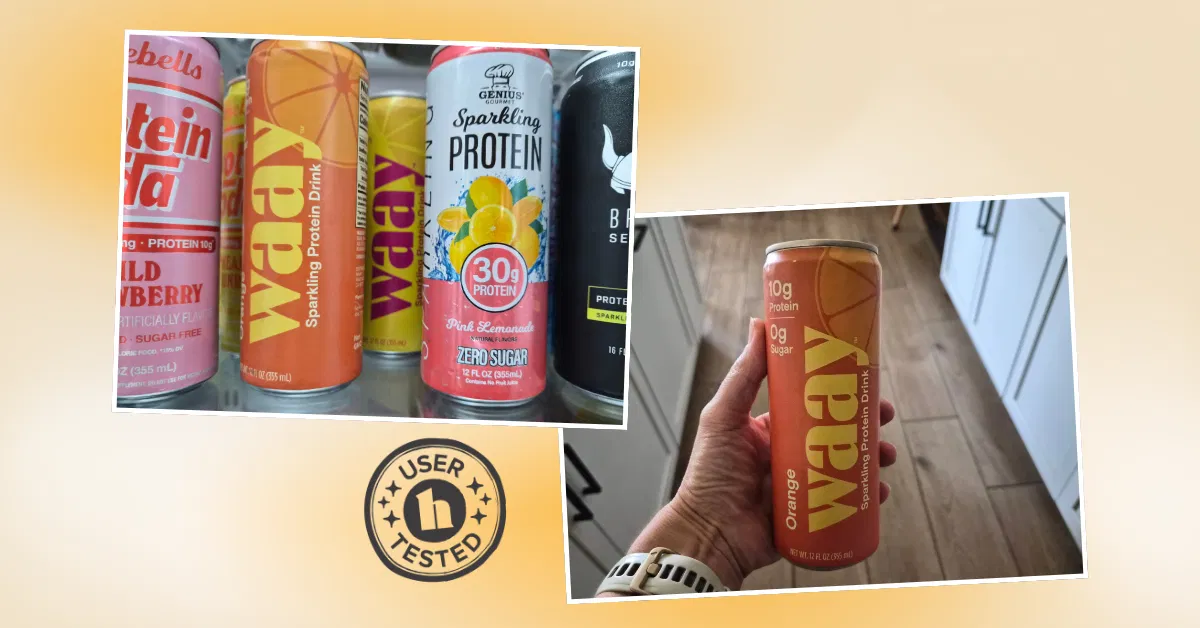
Protein sodas have emerged as a new trend in the beverage market, designed to help consumers meet their protein intake goals. These drinks are sparking interest as alternatives to traditional protein sources, but their health benefits and drawbacks are still being assessed.
Read More
Rachael Ajmera, MS, RD, a registered dietitian, notes that while protein sodas can be a convenient way to increase protein consumption, they should not replace whole foods. These beverages typically contain between 10 and 30 grams of protein, are low in calories, and may assist in appetite regulation, which can aid in weight management.
However, Ajmera emphasizes that protein sodas should be viewed as protein snacks rather than meal replacements. They may not provide the same level of satiety as solid food or protein powders, which are also generally more cost-effective. Many of these drinks include artificial sweeteners, which are a concern for some individuals, and some contain caffeine, potentially requiring caution for those monitoring their intake.
In terms of taste, while many protein sodas are sugar-free, they often utilize sweeteners—both natural and artificial—which can make them overly sweet for some consumers. Reviews suggest that taste varies widely, with some brands offering a more moderate sweetness that aligns well with popular snacking habits.
One brand, Brute, is noted for its milder sweetness and refreshing Lemon-Lime flavor, but it relies solely on collagen peptides, resulting in an incomplete protein source. Another brand, Genius Gourmet, offers the highest protein content at 30 grams per can but is reported to be intensely sweet.
As protein sodas continue to grow in popularity, ongoing evaluations are planned for new brands entering the market. Concerns do exist regarding potential dental health impacts due to their acidity and the possibility of digestive discomfort from carbonation and sweeteners. Ajmera advises moderation, stating that overconsumption could disrupt overall dietary balance and health.
In conclusion, while protein sodas can be a suitable alternative for meeting protein needs, they should complement, not replace, whole foods in a nutritious diet.