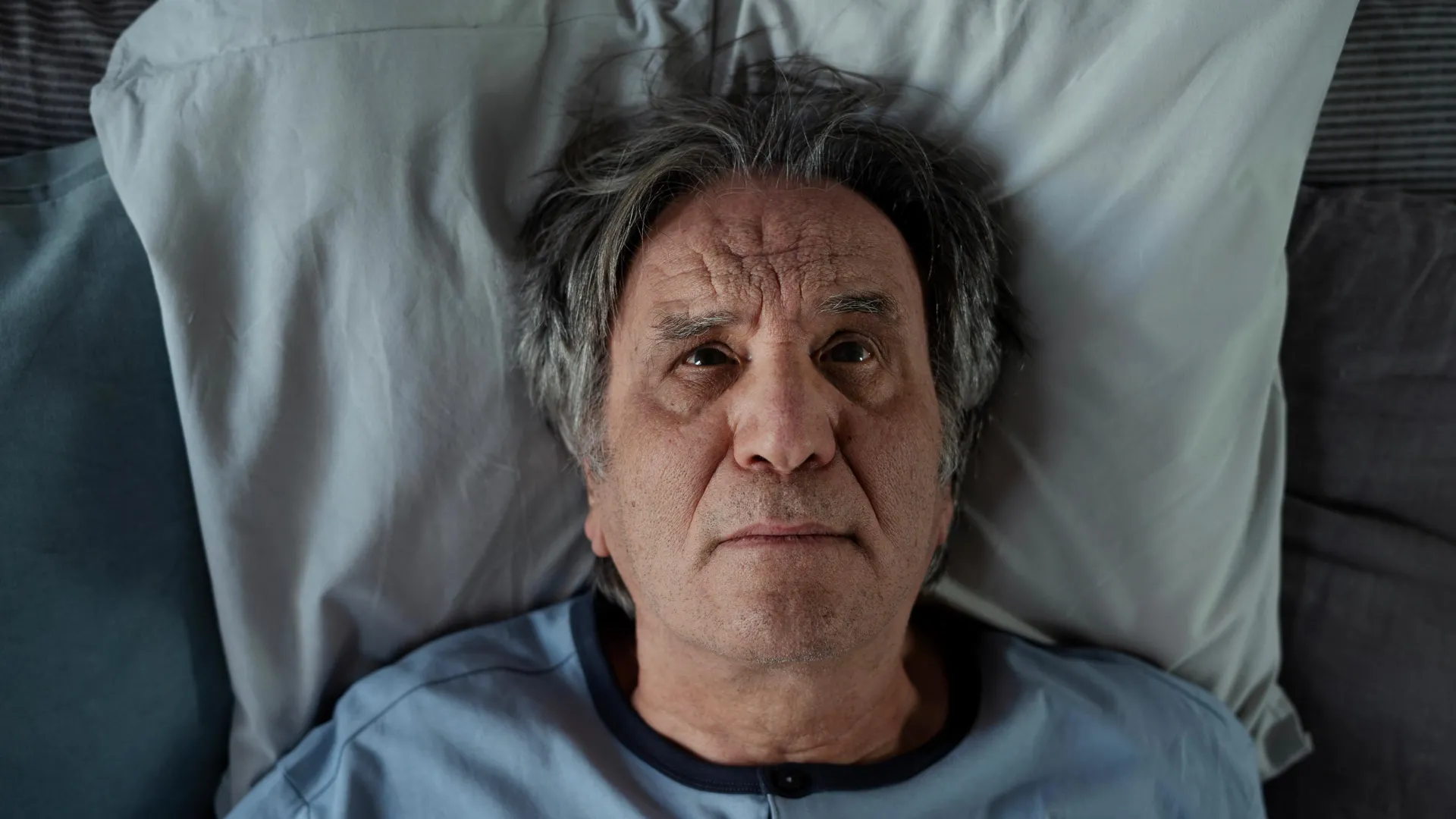
A recent study indicates that both insufficient and excessive sleep are associated with accelerated aging across various organs, including the brain, heart, and lungs, as well as a range of diseases. Junhao Wen, an assistant professor of radiology at Columbia University Vagelos College of Physicians and Surgeons, emphasized that this research extends previous findings about sleep’s impact on brain health by establishing a connection to biological aging in nearly every organ.
Read More
Published in Nature, the study highlights the use of aging clocks, which estimate a person’s biological age relative to their chronological age using machine learning and biological data from sources like minimally invasive blood tests. While many aging clocks provide a general estimate for the entire body, Wen and his team focused on organ-specific aging, aiming for more personalized health insights.
Wen suggested that sleep was an ideal factor to investigate due to its potential influence on health. Using data from around half a million participants in the UK Biobank, the study developed aging clocks that incorporated various biological signatures, including imaging data and protein levels.
The findings revealed a U-shaped relationship between sleep duration and biological aging. Individuals sleeping less than 6 hours or more than 8 hours exhibited faster biological aging, whereas those sleeping between 6.4 and 7.8 hours showed the slowest aging rates. Importantly, the study does not assert that sleep duration directly causes biological aging but suggests that atypical sleep patterns may indicate underlying health issues.
Additionally, the research linked inadequate sleep to mental health challenges, such as depression and anxiety, as well as physical health problems including obesity, type 2 diabetes, and cardiovascular diseases. Both short and long sleep durations were associated with respiratory and digestive disorders.
Wen also explored the connection between sleep patterns and late-life depression but did not definitively conclude the direction of the relationship—whether sleep duration influences depression or vice versa. However, through mediation analysis, the researchers proposed that short sleep might be more closely linked to depressive symptoms.
This study underscores the complex interplay between sleep, aging, and overall health, with implications for future therapeutic strategies related to sleep management.