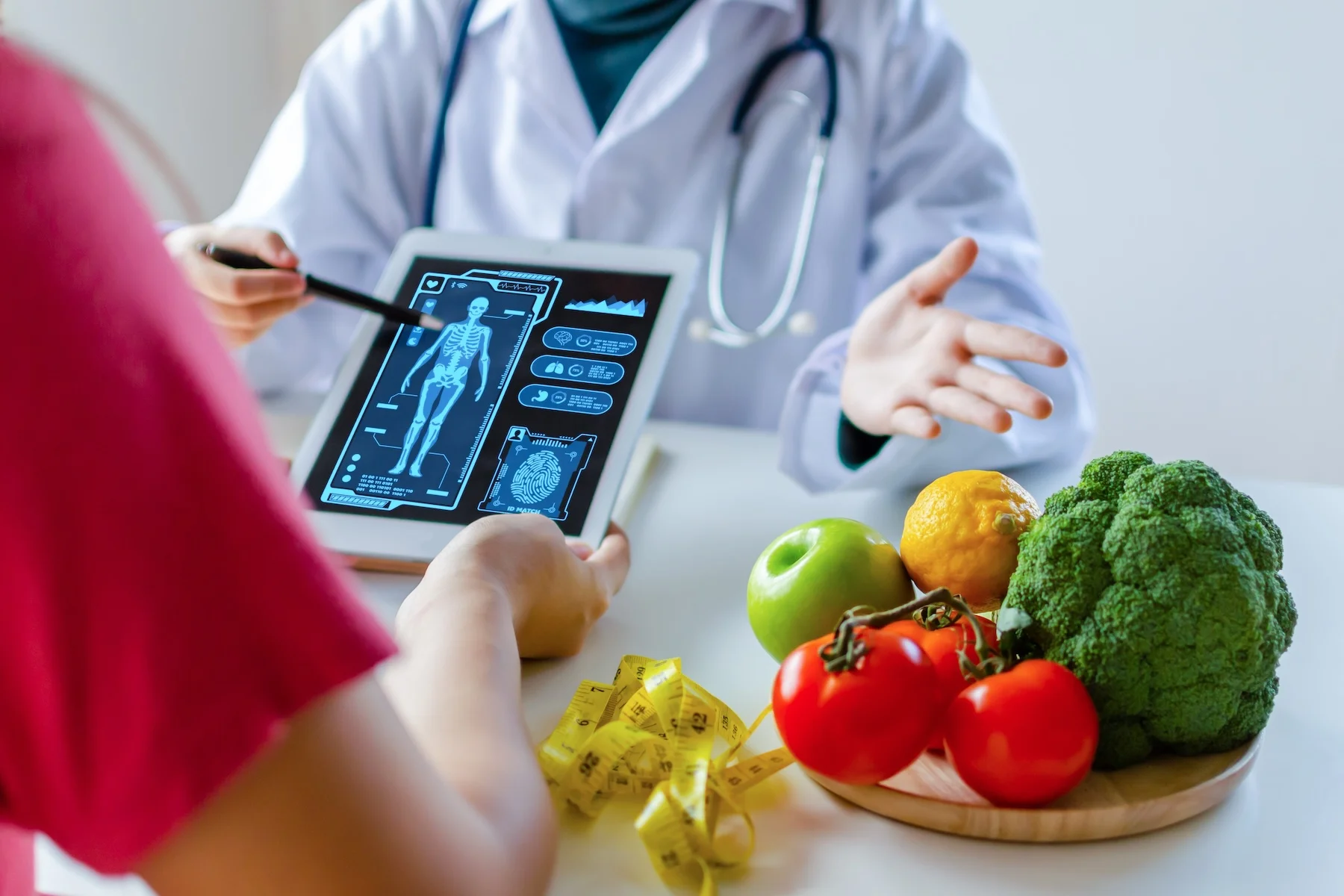
Precision nutrition is gaining attention as an approach that tailors dietary guidance according to individual needs, integrating a variety of scientific fields including genomics and behavioral sciences. José Ordovás, a senior scientist at the Jean Mayer USDA Human Nutrition Research Center on Aging (HNRCA) at Tufts University, has been a pioneer in this field, exploring the genetic factors that influence individual responses to diet for over thirty years.
Read More
Ordovás's work began with investigating how lipids interact with genes, leading to discoveries that dietary responses vary significantly among individuals consuming the same foods. This variation has shaped the development of precision nutrition, which aims to provide customized dietary recommendations by analyzing traits such as genetics, microbiome profiles, and age, alongside lifestyle factors.
At Tufts, research into precision nutrition began before it was formally labeled as such in the early 1990s. The findings indicated that dietary responses to sugar and fats can differ markedly between individuals due to genetic variations. This challenge to the traditional one-size-fits-all dietary advice has propelled the advancement of precision nutrition, which focuses on optimal dietary routes for specific subgroups.
The current interest in precision nutrition is largely attributed to advancements in technology. Enhanced genomics, microbiome science, and AI now allow researchers to analyze multiple variables simultaneously, enabling a better understanding of how different bodies respond to food. The National Institutes of Health (NIH) is leading a significant initiative known as the Nutrition for Precision Health study, enrolling over 10,000 participants across the U.S. to create predictive models on dietary responses.
Precision nutrition also has potential implications for refining the Dietary Guidelines, making them more responsive to human diversity. It complements initiatives aimed at integrating diet with broader health strategies, such as the food as medicine approach, and could provide insights into the efficacy of personalized interventions.
Currently, access to precision nutrition is limited, primarily offered by some companies that utilize evolving methods. To enhance equity, Tufts is collaborating with community health programs to provide education on data literacy and improve access to tools for diverse populations. This approach could lead to greater integration of personalized nutrition into national health guidelines, ultimately demonstrating the value of coverage for these services by insurance providers.
Despite advancements, challenges persist in the realm of data interpretation and ethical considerations like privacy. Moreover, understanding the complex bioactive compounds in food remains an area of exploration, as scientists know little about the majority of these compounds. Research is ongoing at Tufts to identify these components, particularly in foods like blueberries and broccoli, which are recognized for their health benefits.
Looking ahead, the vision for precision nutrition is to enhance preventive health measures, shifting focus from managing diseases to predicting and preventing them. By leveraging individual genetic profiles and environmental interactions, precision nutrition aims to improve health outcomes and promote healthier aging through real-time adjustments in diet and lifestyle.