A small pilot study from UC San Francisco indicates that reducing ultra-processed food consumption could improve depression symptoms. Participants in the study reduced their intake of these foods by more than 85%, leading to moderate to large improvements in their depression scores, alongside modest reductions in anxiety. The research was published in JAMA Psychiatry and funded by the National Institutes of Health. Senior author Dr. Andrew Krystal noted that the study, though limited to 20 participants, demonstrated the feasibility of a larger trial planned for 2028.
Read More
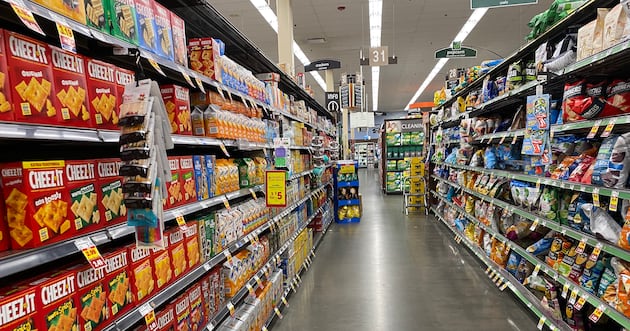
Ultra-processed foods, which are prevalent in the American diet, include items such as cookies, potato chips, hot dogs, and fast food. These foods often contain industrial ingredients and are low in essential nutrients. Dr. Nyasha Chagwedera, assistant professor at UCSF, explained that these foods can trigger cravings by affecting dopamine levels, the brain's pleasure hormone.
All study participants had depression, and many also experienced anxiety and had a high body mass index (BMI) along with metabolic disorders such as hypertension and diabetes. After an initial four weeks of following their usual diets, participants switched to a low ultra-processed food diet, with some guidance from researchers.
Chagwedera suggested that the link between ultra-processed foods and depression might stem from damage these foods inflict on gut health, potentially leading to chronic inflammation that could impact mental health as well.
The U.S. government has been increasingly recognizing the negative health impacts of ultra-processed foods, noting they contribute significantly to diet-related chronic diseases, including obesity and type 2 diabetes. Estimates indicate that 70% of the U.S. packaged food supply consists of ultra-processed foods, which provide over 60% of calories consumed by children.
Research has associated high consumption of ultra-processed foods with a variety of health issues. A review published in 2024 identified connections between these foods and negative health outcomes spanning cardiovascular disease, mental health challenges, and increased mortality risk. Studies indicate that men consuming a diet high in ultra-processed foods may face a greater risk of colorectal cancer and cardiovascular issues.