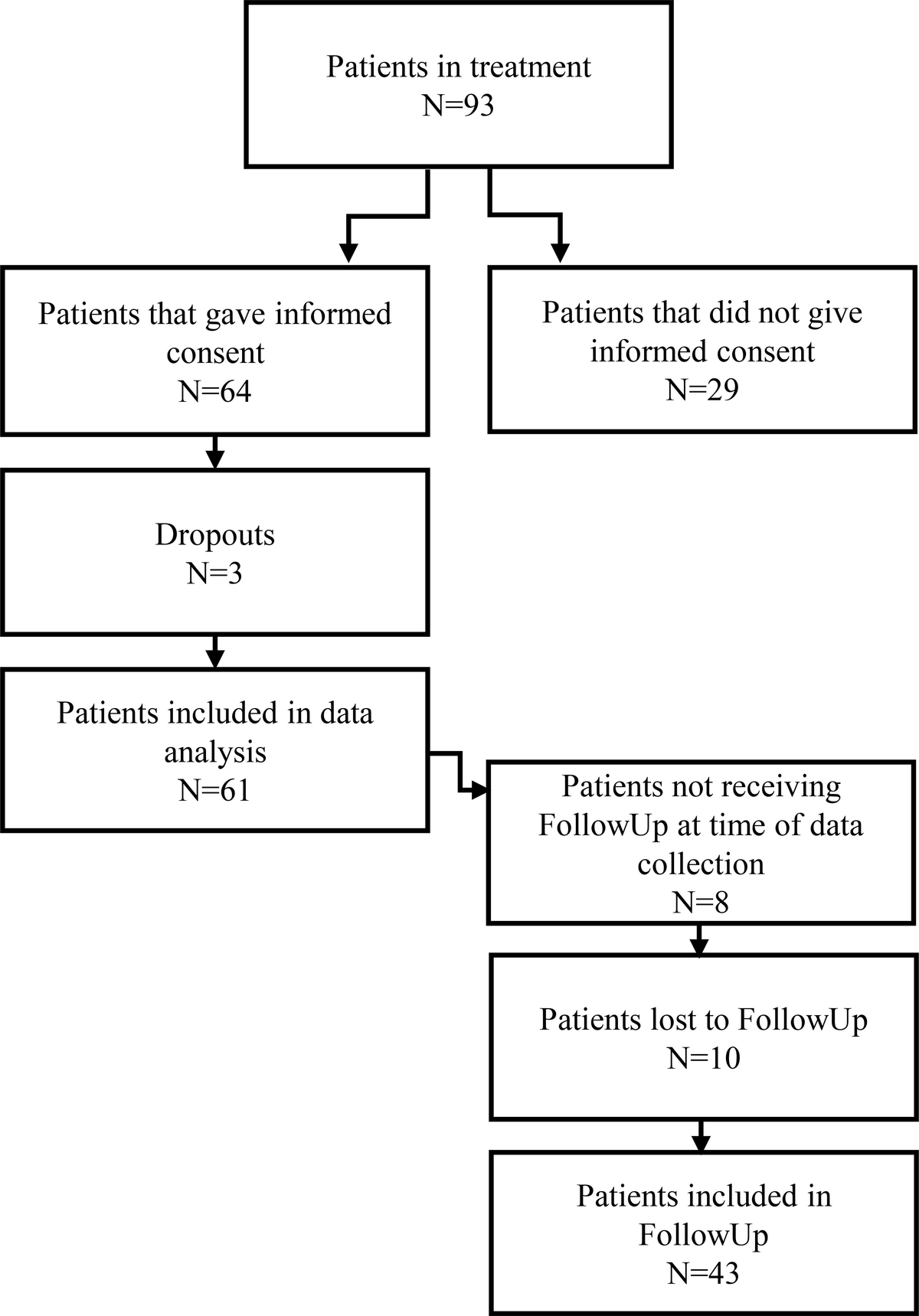
This study evaluates the feasibility and outcomes of Group-based Metacognitive Therapy (gMCT) for university students with anxiety, aiming to address maladaptive metacognitions that lead to symptoms such as excessive worry and rumination. The research involved an uncontrolled pre-post design with a follow-up three months after treatment. Participants included students aged 19 to 31, with a score of 10 or higher on the GAD-7, or those diagnosed with anxiety disorders, including Generalized Anxiety Disorder (GAD), Social Anxiety Disorder (SAD), and Panic Disorder (PD).
Read More
Conducted at the Oslo Student Welfare Organization (SiO Helse), the therapy sessions were facilitated by trained therapists. High attendance rates were noted, with participants attending an average of 7.1 out of 8 sessions. Results showed significant reductions in anxiety, depressive symptoms, and negative metacognitions from pre-treatment to post-treatment, with large effect sizes maintained at the three-month follow-up. Specifically, 77.3% of participants either improved or recovered following the intervention.
This study highlights the pressing issue of mental health among university students, where the prevalence of anxiety and mood disorders often exceeds that of the general population. Recognizing that traditional individual therapies can be cost-prohibitive, gMCT emerges as a potentially scalable and effective alternative. Despite the positives, the findings should be interpreted cautiously due to the single-site nature of the study, limited sample size, and short follow-up period.
Planned research should further investigate gMCT in varied university settings and populations to better ascertain its broader applicability and effectiveness. This could inform future mental health initiatives within student welfare services, potentially leading to more accessible and impactful psychological support for students.