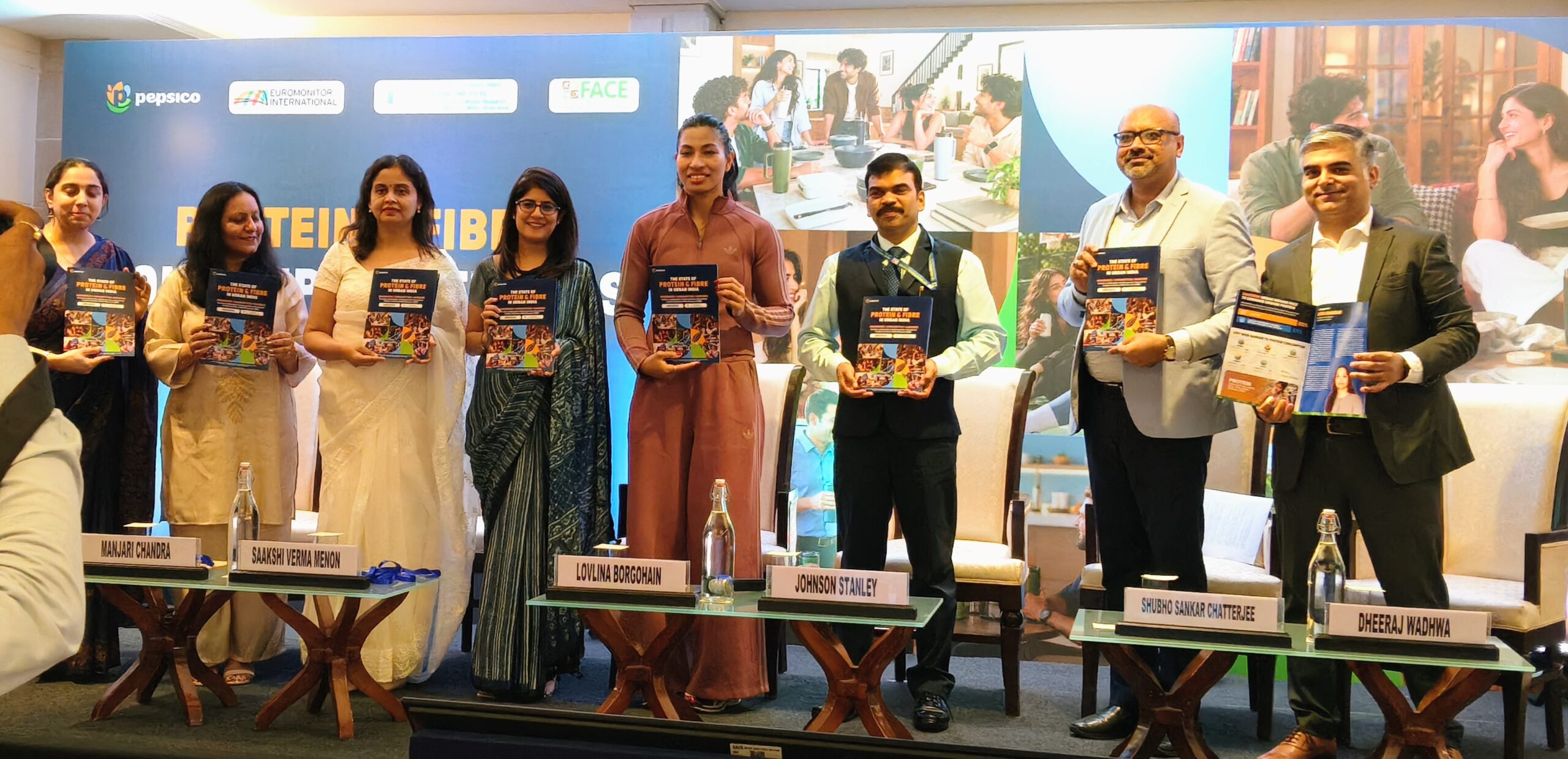
A new study by PepsiCo India, in collaboration with Euromonitor International and the Indian Institute of Millet Research, highlights significant challenges in protein and fiber consumption among urban Indian consumers. The findings were announced on October 6, 2026, during an event supported by the Confederation of Indian Industry (CII).
Read More
The study titled ‘The State of Protein & Fibre in Urban India’ surveyed 1,250 respondents aged 18-50 across cities including Delhi, Mumbai, Bengaluru, Kolkata, and Kochi. It aimed to understand consumer awareness and intake of protein and fiber, alongside breakfast habits and factors influencing dietary choices.
Key findings indicate a discrepancy between awareness and understanding of nutritional needs. While 74% of respondents claim to be aware of their daily protein requirements, 56% demonstrate misinformation regarding what those requirements actually entail. Alarmingly, 70% of participants consume less than 41 grams of protein daily, falling short of recommended intake levels across all surveyed cities.
The situation is similar for fiber intake, with 61% of respondents consuming less than the recommended daily amounts. The study found that while 59% profess to understand their daily fiber needs, only 11% accurately identify these requirements.
Barriers to better nutrition include high costs and limited access to convenient food options. Sixty percent of respondents cited cost as a major issue preventing increases in protein consumption, while 57% identified a lack of credible protein-focused foods. The challenges are even more pronounced regarding fiber, with 69% indicating limited access to suitable food alternatives.
The study pointed out a strong desire among consumers, particularly Gen Z, for more seamless ways to incorporate protein into their diets. Approximately 90% of young respondents want protein available in familiar, everyday formats.
Dr. Ankita Marwaha, Director R&D LifeScience at PepsiCo India, emphasized the need for credible nutrition knowledge to translate into practical dietary choices, highlighting ongoing collaboration with the research and academic communities to inform better product options.
The study suggests a substantial opportunity for improved nutrition communication, stressing that awareness should evolve into actionable knowledge that shapes daily consumption habits. In response, PepsiCo India aims to address these gaps, making better nutrition more practical and accessible for consumers.