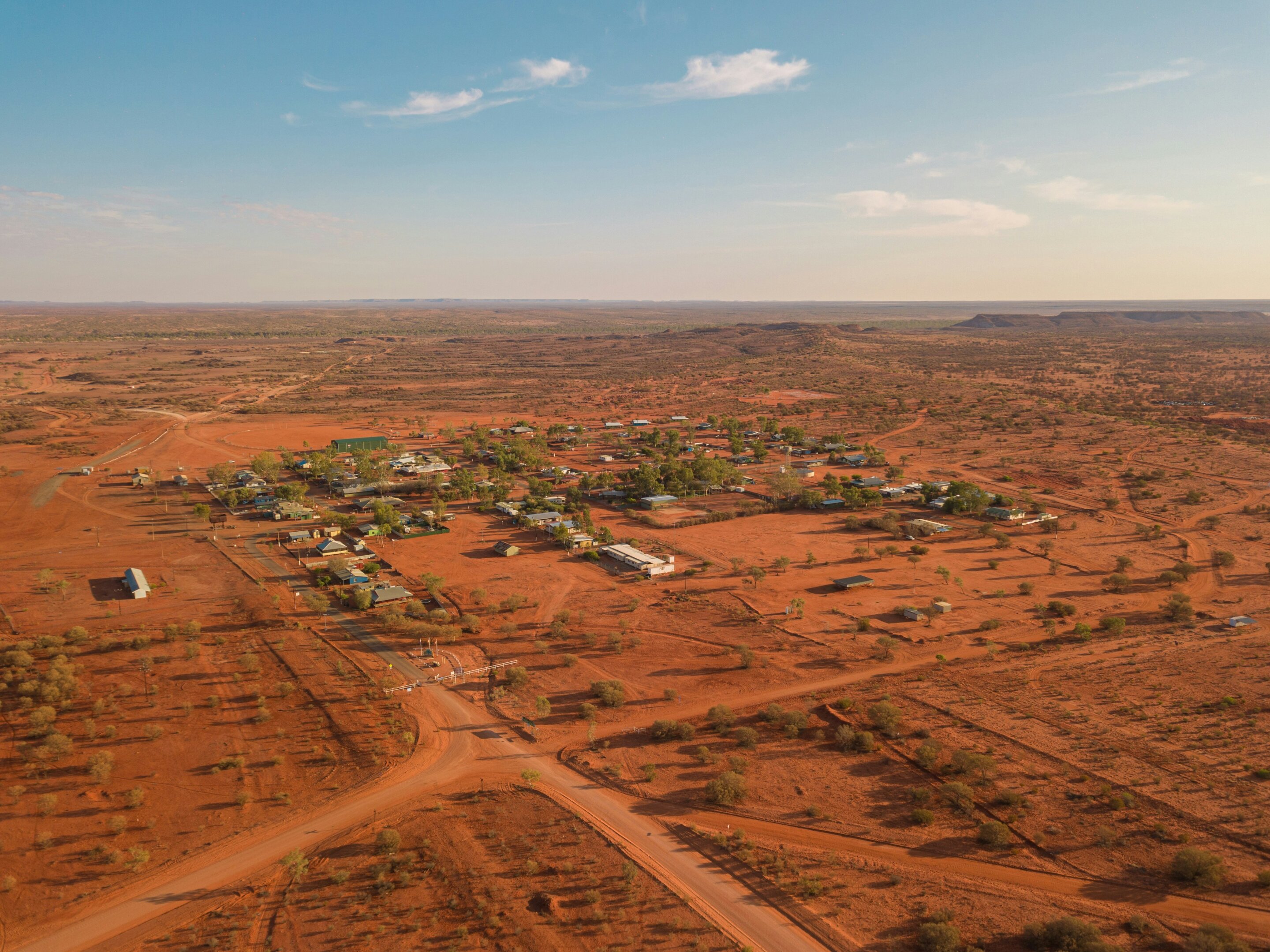
A recent study has highlighted severe climate-related health effects experienced by Indigenous children worldwide, including issues such as malnutrition, infectious diseases, mental health challenges, and complications before birth. Researchers from The Kids Research Institute Australia, The University of Western Australia, and Flinders University examined data from 53 studies and found that these health impacts manifest across diverse environmental, cultural, and geographic contexts.
Read More
Published in Globalization and Health, this landmark synthesis of global evidence is the first to comprehensively explore how climate change affects Indigenous children's health. Lead author Jaime Turnbull emphasized that climate change represents both an environmental and a child health concern, with Indigenous children facing unique vulnerabilities.
Turnbull stated, "Importantly, these impacts do not occur in isolation. Climate change affects Indigenous children's relationships with Country, culture, family, and community, which are fundamental to their health and well-being."
The review identified six primary climate-related exposure themes: heat stress, changing seasonal and oceanic patterns, hydroclimatic variability (including floods and droughts), air pollution, climate-related disasters, and additional environmental risks. These themes correlated with five main health outcomes: psychosocial and cultural well-being, malnutrition, infectious diseases, perinatal health issues, and overall morbidity and mortality.
The most significant finding was the detrimental impact of climate change on psychosocial and cultural well-being. Environmental changes were shown to disrupt connections to land, cultural identity, language, and traditional practices, contributing to stress, anxiety, depression, trauma, and grief.
Co-author and Yamatji elder Aunty Dr. Mara West emphasized the need for a holistic understanding of Indigenous health, noting that health is closely linked to culture, Country, family, and community. "When climate change affects the environment, it can also affect the cultural practices and relationships that help keep children strong and healthy," West said, pointing out the necessity for Indigenous knowledge and leadership in climate responses.
The researchers argue that rather than viewing Indigenous children as merely vulnerable, it is crucial to recognize them as vital contributors to climate solutions. Engaging younger generations in Indigenous-led climate action can enhance cultural identity, self-determination, intergenerational knowledge transfer, and community resilience.
Professor Peter Le Souef from UWA and Professor Corey Bradshaw from Flinders noted that despite the increasing global focus on climate-related health impacts, Indigenous children remain underrepresented in climate health research. Almost half of the reviewed studies did not specifically address Indigenous children, with most research concentrated in only a few countries and communities.
Dr. Melinda Judge from The Kids urged for more geographically diverse research that involves Indigenous youth, aiming to fortify cultural identity and community resilience while supporting climate action. Turnbull concluded that effective climate-health research and policy must reflect the realities and priorities of Indigenous children and families, advocating for the acknowledgment of Indigenous sovereignty and lived experiences in shaping solutions.