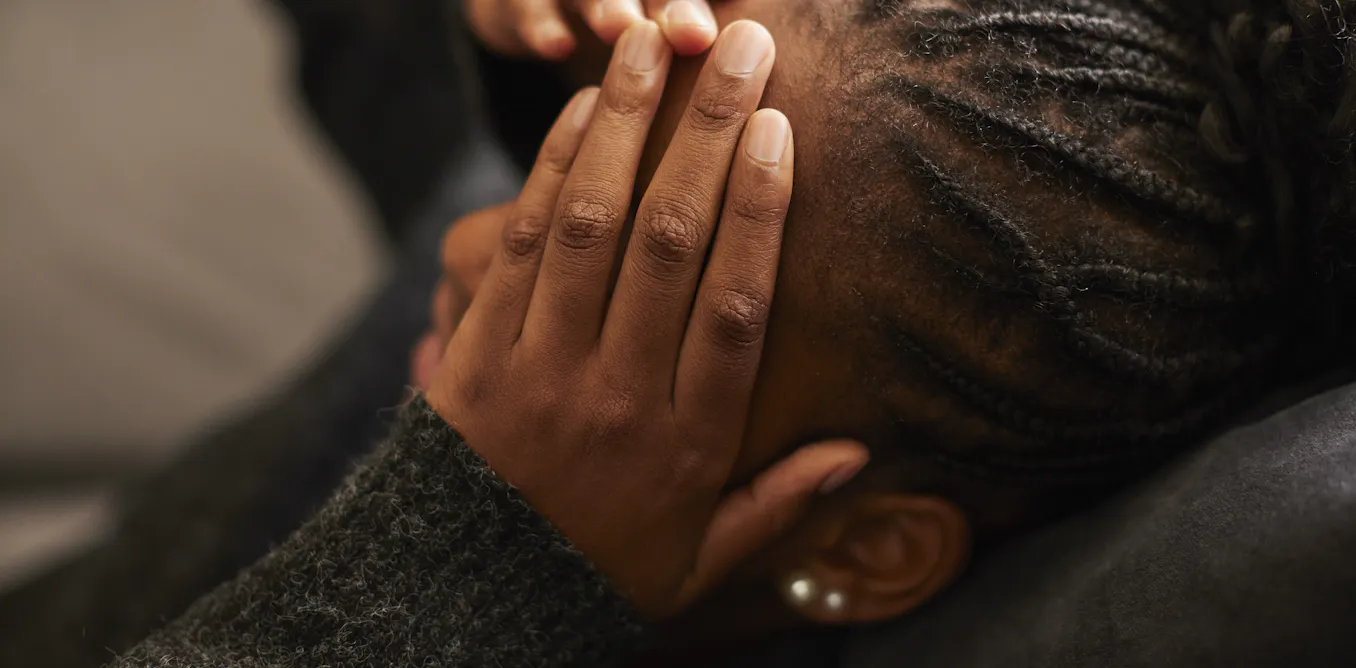
Teens in southeast Michigan are facing significant mental health challenges, exacerbated by economic hardships, family responsibilities, and social pressures. Research teams collected insights through focus groups in Detroit and community advisory meetings in Flint conducted in 2024 and 2026.
Read More
As a pediatric psychologist and researcher with over a decade of experience in Michigan, I focus on improving mental health access and intervention for youth. Our findings suggest that many teens are adapting to threats to their well-being that often go unrecognized by adults, coupled with significant obstacles to receiving help.
School personnel, who interact regularly with students, provided critical insights into this mental health landscape. Our research team, which included professionals from Michigan State University, Wayne State University, and the University of Michigan, gathered input from 25 school staff members in Detroit. They reported that students commonly struggle with depression, anxiety, trauma, and exhaustion.
One educator noted, "A lot of students feel exhausted. Every single day," emphasizing that this fatigue persists beyond occasional bad days. Concerns were also raised regarding substance use, violence, and suicidal ideation among teens, attributed to unaddressed mental health issues and ineffective coping mechanisms.
Nationally, a 2023 CDC survey of over 20,000 high school students found that nearly 40% reported persistent sadness, with 20% contemplating suicide. Comparatively, young women reported higher levels of mental health issues than young men, and LGBTQ+ teens experienced even greater challenges than their heterosexual peers. Black teens reported lower rates of poor mental health but higher suicide attempts than white teens.
Many mental health concerns are triggered by external stressors in teens' lives. School personnel noted that issues such as housing instability, financial strain, and family stress significantly affect students. A history of adverse childhood experiences greatly impacts their emotional well-being.
In Flint, community concerns have escalated following instances of youth gun violence, including six shootings over one weekend in August 2026, leading to heightened awareness among local leaders and educators.
Parents and educators involved in our advisory boards also expressed feeling overwhelmed by their responsibilities and the emotional burden of student crises. One educator expressed feelings of helplessness in supporting struggling students, which reflects a broader trend of high stress and burnout that affects both parents and educators.
Calls for reform emphasize the importance of including teens in developing mental health interventions. Many express a desire for safe spaces where their identities are affirmed and where they can communicate openly without fear of judgment.
Our organization has created a model that trains school staff to identify and support students with mental health needs while facilitating access to additional services. However, many Detroit residents still report difficulties accessing care due to a shortage of qualified professionals and mental health facilities.
In our advisory board of teens from Flint, members have articulated their needs for supportive programs focused on relationships, mentorship, and strengths rather than solely on crises. One teen remarked, "Programs should be about life-bettering," indicating a desire for holistic support that fosters thriving lives rather than merely addressing immediate challenges.