Researchers at the Uniformed Services University (USU) have identified several evidence-backed strategies to enhance health and resilience as the New Year begins. These findings emphasize the impact of everyday habits on long-term health, cognitive function, and cellular aging.
Read More
As many people set health-oriented goals for the New Year, science has shown that simple lifestyle adjustments—such as coffee timing and stress management—can significantly enhance overall well-being.
1. **Optimizing Coffee Timing for Metabolism**: While many enjoy coffee first thing in the morning, studies in chronopharmacology suggest that consuming caffeine between 9:30 a.m. and 11:30 a.m. may be more beneficial for metabolism. USU neuroscience graduate Steven Miller points out that this timing allows caffeine to be consumed after the body’s natural cortisol peak, maximizing its effects.
2. **Managing Stress through Mind-Body Techniques**: Chronic stress can lead to negative impacts on mood and cognitive function by altering gene activity. Research led by Dr. Meera Srivastava at USU indicates that those who practice mind-body techniques like Transcendental Meditation show reduced levels of stress hormones and differences in gene expression that can mitigate stress's long-term effects. Regular practice of these techniques may enhance emotional balance and support healthier aging.
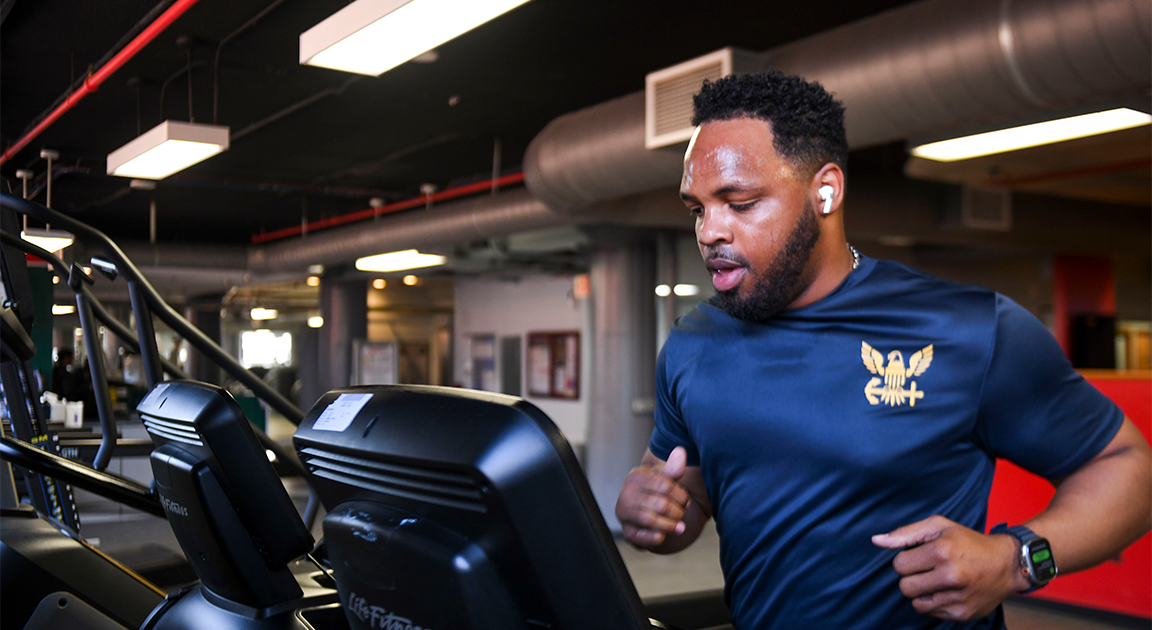
3. **Exercise for Enhanced Mood**: While exercise is well-known for its mood-boosting advantages, research co-authored by USU's Dr. Ali Weinstein reveals the complexities of this relationship. Though acute exercise can elevate mood, it may also lead to temporary fatigue or a return to depressive feelings, particularly if the exercise is intense and externally mandated. However, ongoing moderate exercise is linked to improved emotional resilience and stress management, highlighting the importance of individualized exercise approaches.
4. **Supporting Cellular Health**: As individuals focus on health goals, USU's Dr. Michael J. Daly has researched the cellular mechanisms that defend against aging. His work shows how manganese-dependent antioxidants protect cells from oxidative stress, emphasizing the importance of adopting antioxidant-rich diets, stress management, and consistent physical activity to bolster cellular defenses.
In summary, by integrating these strategies—timing coffee intake wisely, practicing mindfulness, exercising regularly, and prioritizing cellular health—individuals can make meaningful improvements in their well-being as they embark on a new year. These small, intentional changes are vital for enhancing resilience and vitality throughout 2026.