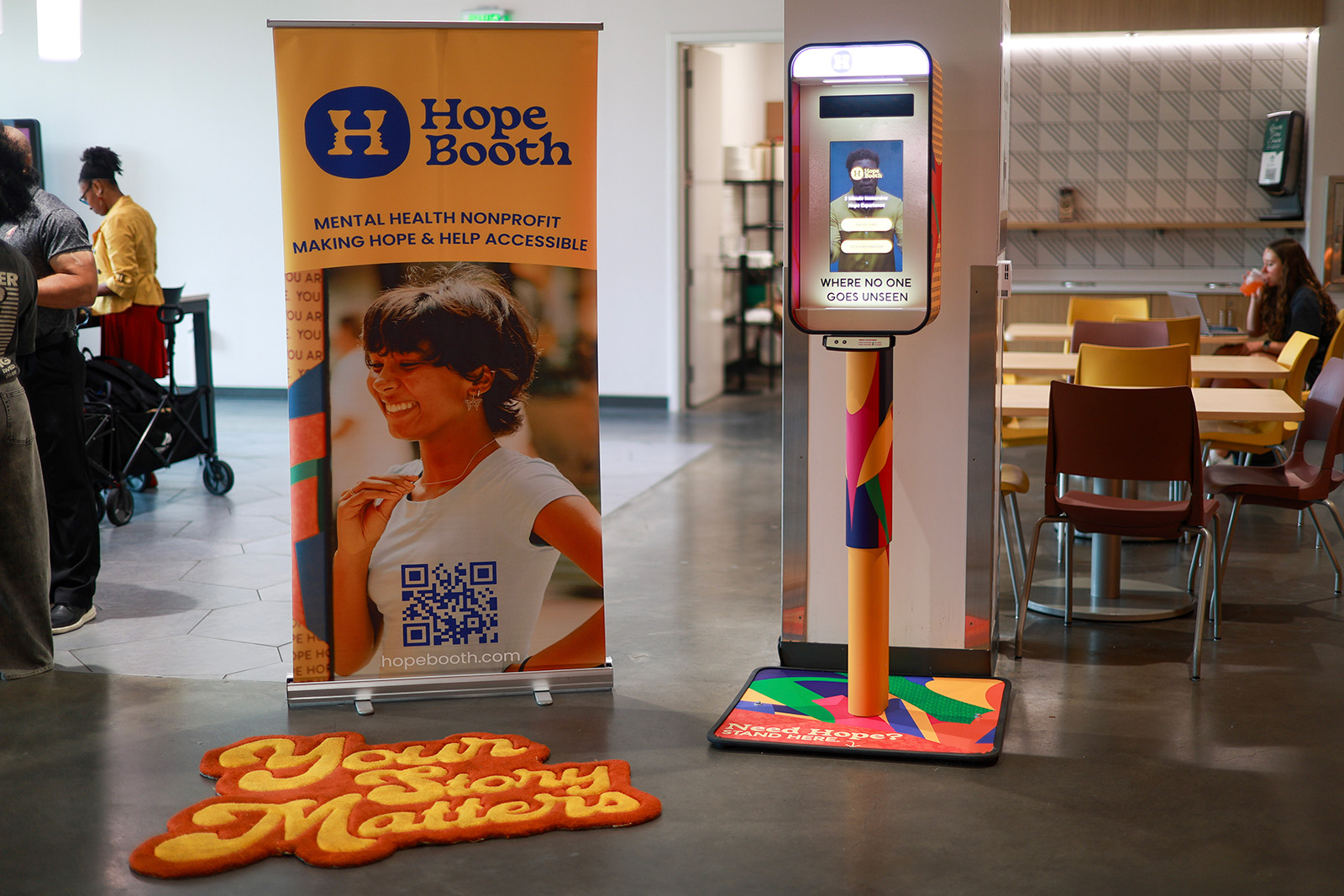
Florida State University (FSU) has become the first college in the nation to install a Hope Booth, an innovative mental health resource aimed at promoting proactive wellness among students. Located in the Student Union, the booth features a three-minute interactive video experience that offers personalized messages and coping strategies for mental health support. In its first ten days of operation, the booth has been utilized by 374 individuals.
Read More
The installation of the Hope Booth, which stems from a nonprofit organization based in Atlanta focused on mental health and suicide prevention, reflects FSU's commitment to addressing barriers and stigma surrounding mental health concerns. Amy Hecht, Vice President for Student Affairs, expressed gratitude for the addition, highlighting its role in expanding wellness support on campus.
Visitors to the Hope Booth can begin an immersive experience at any time, using an adjustable height button for screen accessibility and featuring closed captioning. After responding to a few introductory questions, users receive encouraging words and actionable steps, such as deep breathing exercises or positive affirmations.
During the unveiling, Gloria Umanah, founder and CEO of Hope Booth, engaged with students by likening mental health maintenance to car upkeep, emphasizing the practice of preventive care rather than only seeking help in crisis situations. She advocated for the normalization of mental health care, commenting on the importance of spreading hope in everyday interactions.
With the Hope Booth's debut, FSU becomes the 42nd location to host one since their introduction in October 2021. Hope Booths have also been installed in 18 states and three countries. Carlos J. Gómez, associate vice president for Health, Wellness, and Safety, noted the booth's placement in a visible area to encourage student engagement. Umanah stressed that using the booth is not something to be ashamed of and is a step toward enhancing hope in daily life.
Funded by the Stanley 1913 Creators Fund at a cost of $25,000, the booth will remain on campus for at least two years. Programming within the booth has been developed in collaboration with mental health experts, ensuring evidence-based practices are at its foundation. Yvonne Langdon-Maduekwe, director of FSU Counseling & Psychological Services (CAPS), pointed to the booth as a valuable space for students to engage in stress-reducing and resilience-building activities.
CAPS serves a significant number of students, having reached over 12,000 members of the FSU community in the previous academic year. Rebecca Whitfield, associate director for Treatment Coordination and Outreach at CAPS, emphasized the importance of visibility and accessibility of mental health resources on campus, encouraging those in need to seek support.