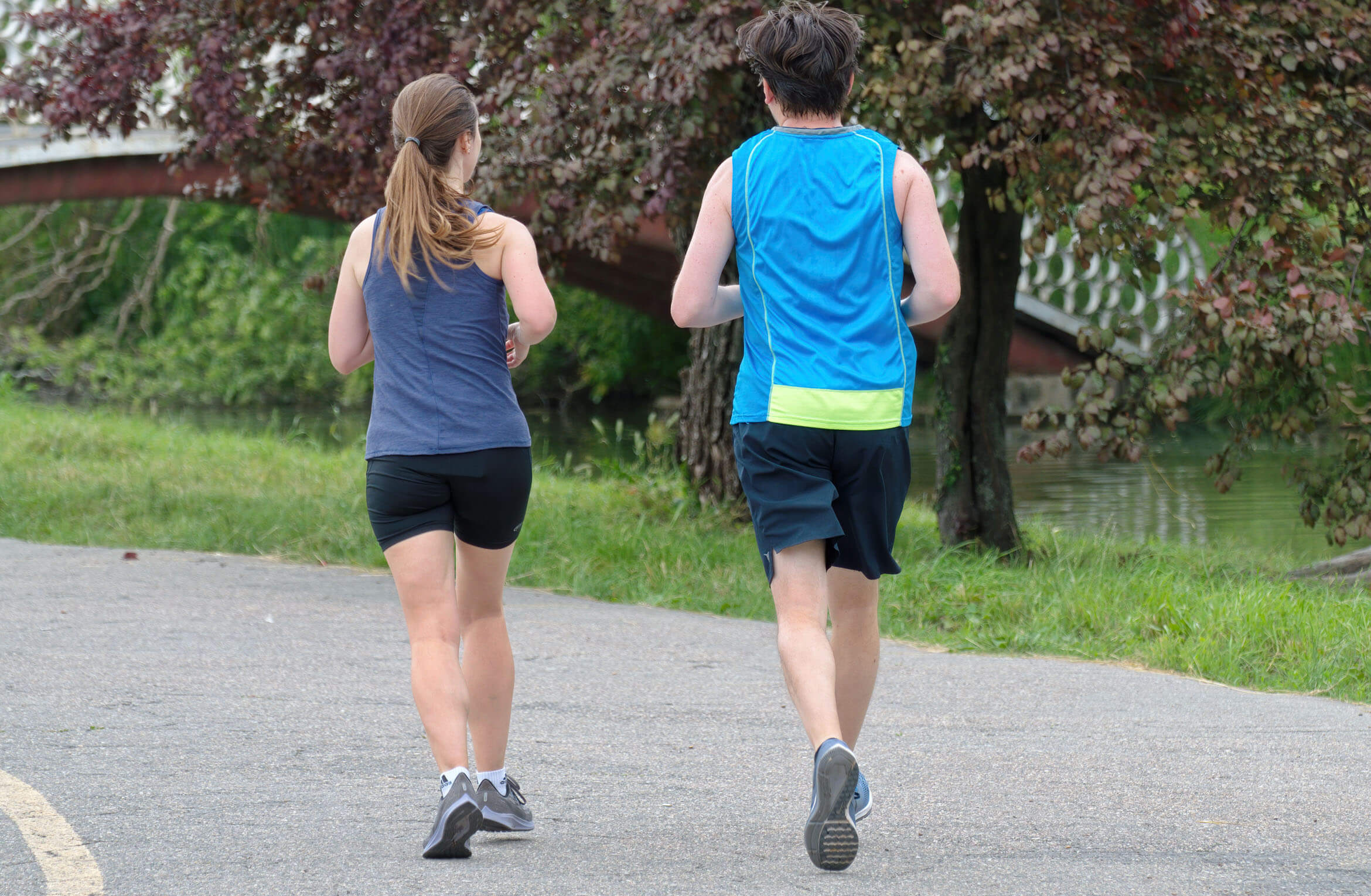
Regular physical activity has been identified as an effective method for alleviating symptoms of anxiety and depression in individuals suffering from chronic insomnia, according to a recent review published in the journal Physiology & Behavior. The study suggests that exercise enhances overall sleep quality and diminishes the severity of sleep disruptions.
Read More
Chronic insomnia is characterized by persistent challenges in falling or staying asleep, often resulting in significant daytime impairments, which affect social, occupational, and overall well-being. This sleep disorder frequently correlates with elevated psychological distress, manifesting as symptoms of anxiety and depression. Medical professionals have noted a reciprocal relationship among insomnia, anxiety, and depression, where poor sleep exacerbates mood disorders, resulting in a difficult cycle to break.
Previous research indicated that enhancing sleep quality might lead to improved mental health and vice versa. Researchers aimed to investigate non-pharmacological approaches to simultaneously address insomnia, anxiety, and depression. They focused on whether physical activity could serve as an alternative to sleep medications and antidepressants.
Giselle Soares Passos, an associate professor at the Federal University of Jataí and one of the study authors, mentioned that previous reviews indicated that exercise could reduce anxiety and depressive symptoms in individuals with chronic insomnia. The team conducted a meta-analysis, a statistical technique that aggregates results from multiple studies, to explore this connection further.
The researchers examined eight large academic databases for studies published up to May 2022, looking for comparisons between exercise interventions and control groups in adults over eighteen. In total, they identified six randomized controlled trials and one quasi-randomized trial, encompassing 336 participants.
The exercise interventions varied widely, including brisk walking, treadmill running, cycling, resistance training, yoga, and tai chi, with sessions ranging from once a week to daily engagements lasting between eight to twenty-four weeks. Control groups typically received standard sleep hygiene education or no intervention. Psychological symptoms were measured through standardized questionnaires, including the Beck Anxiety Inventory and the Center for Epidemiologic Studies Depression Scale, as well as subjective assessments of sleep quality.
The findings revealed that regular physical activity significantly reduced anxiety symptoms and depressive mood among participants. Exercise also led to notable improvements in self-reported sleep quality and reductions in insomnia severity, with many participants reporting scores indicative of only mild insomnia. Objective sleep data from wrist sensors showed that exercise decreased the time spent awake after initially falling asleep, with participants averaging nearly nine fewer minutes of wakefulness during the night.
However, the exercise interventions did not notably change all aspects of sleep architecture, such as the time taken to fall asleep or total sleep duration. Passos stated that the results indicate that exercising regularly can mitigate anxiety and depression symptoms in insomnia patients while improving sleep quality and reducing nighttime awakenings.
Despite these promising findings, the researchers acknowledged limitations, including the small number of studies and methodological challenges. For instance, it is challenging to blind participants to their group assignment, which could affect results. Additionally, there is insufficient data to determine the most effective type, intensity, frequency, or duration of exercise for maximizing mental health benefits in insomnia patients.
Future research will aim to compare exercise with cognitive behavioral therapy, a proven therapy for insomnia, and explore the integration of physical activity with non-invasive brain stimulation methods. The study was conducted by Daniela Pantaleão Ferreira, Giselle Soares Passos, Shawn D. Youngstedt, and Marcos Gonçalves Santana.