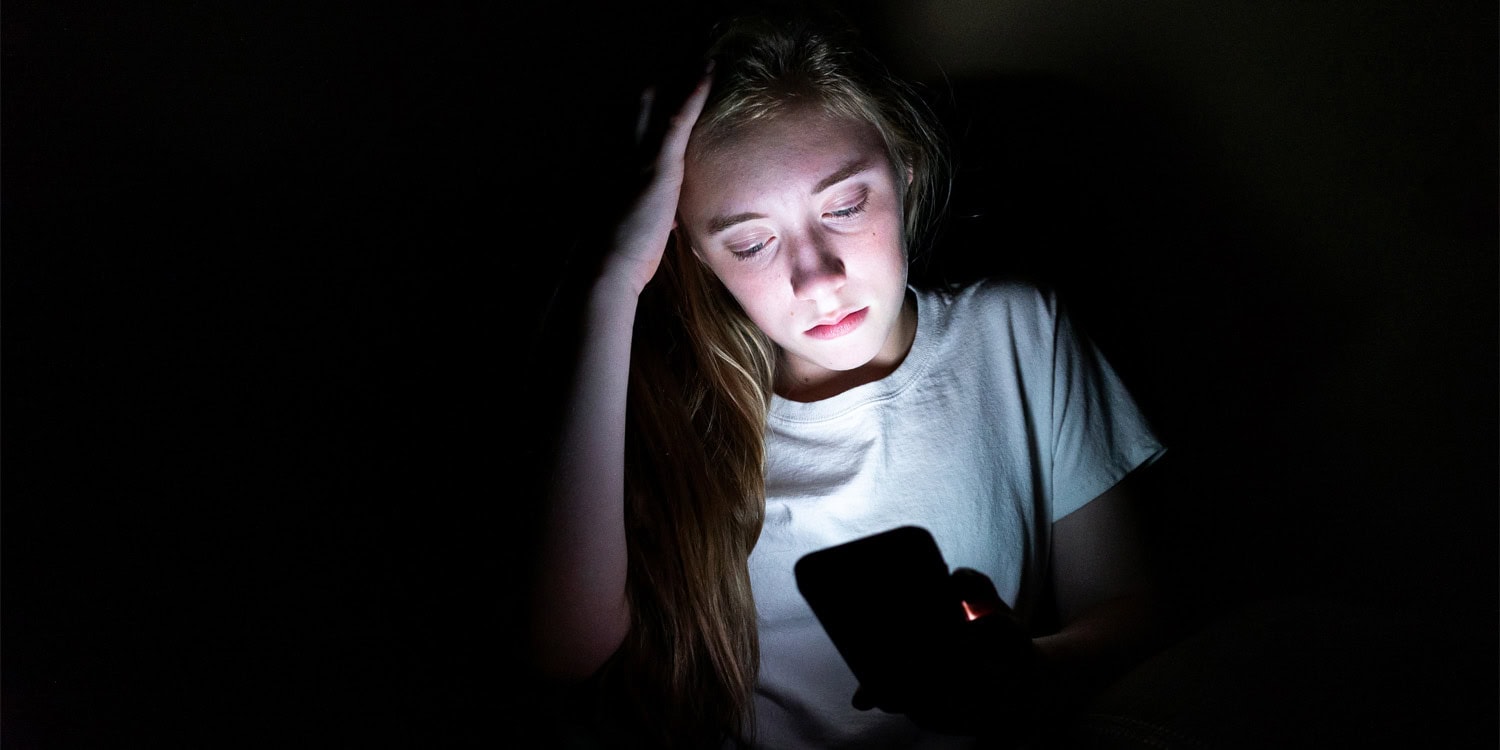
A study published in npj Mental Health Research highlights a connection between sleep irregularities and emotional distress in adolescents. The research found that teenagers who have inconsistent sleep schedules, go to bed later, and experience reduced sleep tend to report higher levels of inward-directed emotional issues, such as anxiety and depression. Notably, these sleep inconsistencies showed a pronounced impact on emotional well-being in teenage girls, suggesting that stable sleep routines could support better mental health outcomes.
Read More
Adolescence is a critical developmental stage where young individuals encounter significant emotional challenges and refine their coping skills. During this period, many youth begin to exhibit internalizing symptoms, including anxiety and feelings of social withdrawal. Effective emotional regulation, which involves managing emotional responses, becomes crucial.
Common emotion regulation strategies include cognitive reappraisal, which involves changing one's perception of a situation, and expressive suppression, where individuals hide their feelings. Physical health, particularly sleep, is integral to how adolescents manage these emotional processes. In a 2026 study, later bedtimes and shorter sleep durations were linked to poor self-control and increased impulsivity in teenagers.
Additionally, another 2026 study indicated a bidirectional relationship between sleep problems and emotional coping over time, with variations observed between genders. Prior research in adolescent sleep and mental health has largely relied on self-reported data, which may inaccurately represent actual sleep duration compared to measured reports.
Study authors Andrea N. Goldstein-Piekarski, an assistant professor at Stanford, and Sarah Izabel, a graduate student, noted that they aimed to investigate how objectively measured sleep data from Fitbit devices correlate with emotional symptoms like sadness and worry, as well as adolescents' emotion regulation strategies.
The research team analyzed data from 1,371 teenagers, averaging 14 years old, participating in the Adolescent Brain Cognitive Development study. Participants wore Fitbits for up to three weeks, and data was considered reliable if it included sleep tracking from at least three weekdays and one weekend day.
Participants were divided into groups based on their average sleep durations, with the short sleep group averaging around seven hours or less, while the non-short group consistently exceeded that amount. The variability of sleep duration and average sleep onset times were also evaluated for their relationship with mental health symptoms, as measured by standardized questionnaires.
Results indicated that adolescents getting seven hours or less of sleep reported more internalizing symptoms than those with longer sleep durations. Similarly, later sleep onset times correlated with increased internalizing symptoms. Variability in sleep durations was strongly linked to emotional distress, especially among girls.
Furthermore, sleep irregularity was associated with a tendency for adolescents to suppress their emotions, although neither shorter sleep duration nor delayed sleep onset linked to this suppression. The researchers emphasized the complexity of these relationships, noting that different aspects of sleep relate differently to mental health outcomes across genders.
The study didn't find a relationship between cognitive reappraisal and any sleep measures, contrary to the expectation that better sleep would correlate with more adaptive emotion regulation strategies. Researchers suggested that cognitive reappraisal skills might stabilize over time and may not be significantly affected by short-term sleep patterns.
These findings align with previous research indicating that irregular sleep patterns are linked to increased internalizing symptoms among adolescents. The study also pointed out that these results are based on a population that may not fully represent all adolescents due to demographic skews in the sample, specifically a prevalence of White teens and those with parents holding higher education.
The authors called for further longitudinal studies to clarify the timing of relationships between sleep patterns and mental health across different developmental phases in adolescence. They highlighted the need for research to examine whether interventions aimed at improving sleep consistency and duration could mitigate emotional symptoms.
In conclusion, the study underscores the importance of sleep not only for physical health but also for emotional well-being among adolescents, indicating that interventions to improve sleep health could offer practical benefits for mental health. The paper, authored by multiple researchers including Sarah Sampaio Izabel and Andrea N. Goldstein-Piekarski, emphasizes the modifiable nature of sleep behaviors.