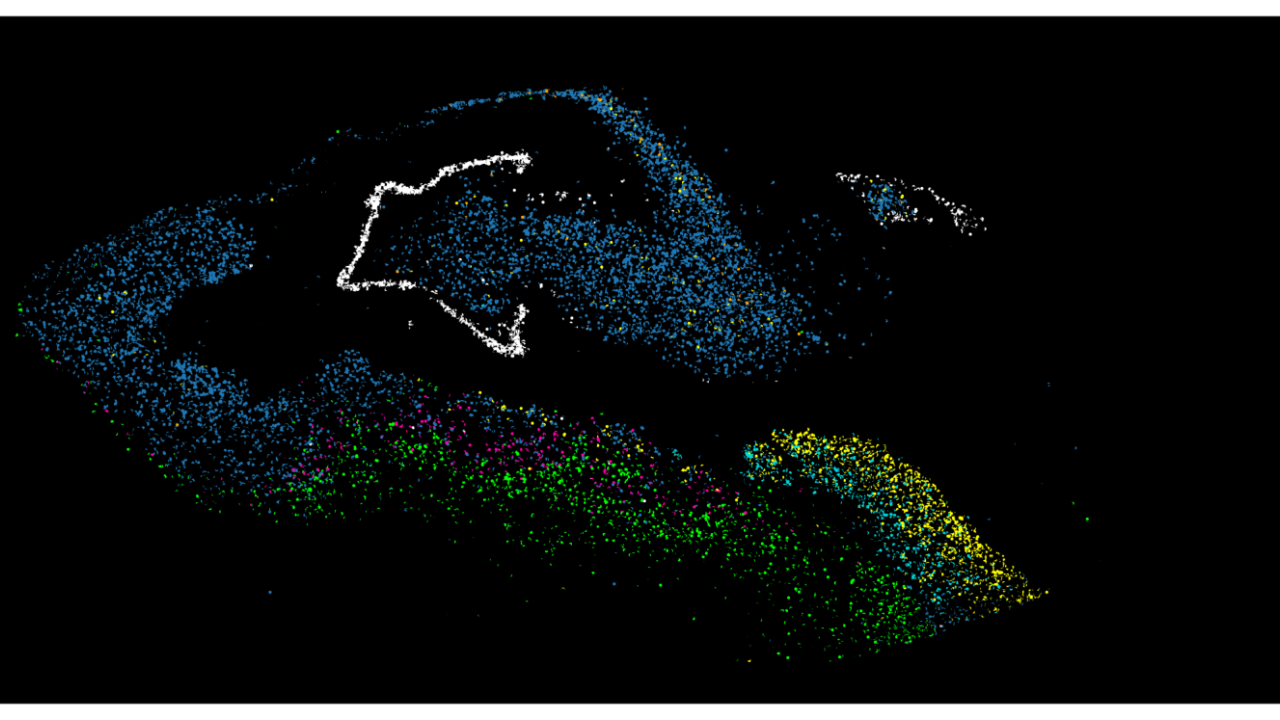
A new study from researchers at Columbia University Vagelos College of Physicians and Surgeons indicates that adults with major depressive disorder experience a halt in the production of new neurons in the hippocampus, a region critical for memory and emotional regulation.
Read More
The research reveals that neurogenesis, the process of generating new neurons, is significantly reduced in individuals suffering from depression and highlights the molecular mechanisms influencing this process, potentially paving the way for new treatment options.
Maura Dupont, a professor of psychiatry and the study’s lead author, explains that while depression has often been attributed to deficiencies in neurotransmitters like serotonin, it is now understood as a multifaceted condition that impacts neuronal adaptability to stress. "Without the ability to create new neurons, individuals with depression may lack the resilience needed to cope with their environment,” Dupont states.
Focusing on the hippocampus, the study emphasizes its unique capability of producing new neurons in adulthood and its role in managing emotional responses and memory formation. The hippocampus's involvement suggests that impairments in this area can lead to negative interpretations of experiences. Dupont clarifies that the ability to differentiate distinct memories is crucial for emotional clarity: “You may be out with a friend for lunch, but if you misinterpret her tiredness as disinterest, it can blend with past recollections of rejection.”
Research involving mice has shown that the process of pattern separation—a crucial memory function—is dependent on adult neurogenesis. Further research in patients with brain tumors supports this connection, revealing that damaging neurogenesis through radiation therapy similarly affects memory distinctiveness in humans. Dupont notes that while the complete mechanism remains unclear, new neurons appear to facilitate better pattern separation, making it easier to form new memories separate from old ones.
The study illustrates that neurogenesis operates within a broader hippocampal circuit that encodes episodic memories and emotional significance. The findings indicate widespread molecular alterations in this circuit related to depression, including gene expression changes involved in neural connectivity and energy transport. Examination of nearly half a million hippocampal cells from both depressed and control subjects revealed inflammation and stress within the primary emotional memory circuit.
Utilizing advanced techniques, researchers were able to analyze gene activity and protein alterations in individual cells, gaining insights into the specific locations within the hippocampus affected by depression. The study identified genes with altered activities linked to major depression and others influenced by environmental factors, which may act as "dimmer switches" for gene expression in response to life experiences.
Dupont suggests that the diverse findings indicate that depression may represent various underlying mechanisms rather than a single disorder. She emphasizes the need for a better understanding of the biological basis of depression to inform new treatment strategies, advocating for a reclassification of depression based on molecular characteristics akin to cancer treatment advancements. "We hope this approach will lead to improved therapies for depression and other psychiatric conditions," Dupont adds.