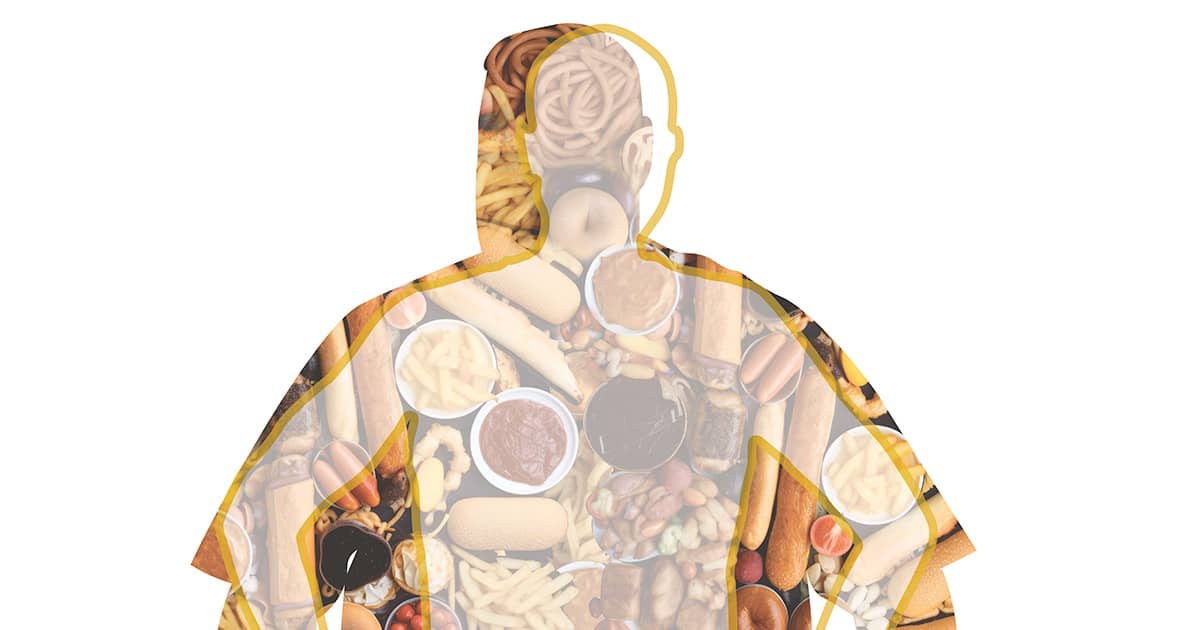
The rise of obesity in the United States is attributed to several factors, including increased intake of nutritionally poor foods, reduced physical activity, environmental influences, genetics, insufficient sleep, stress, and certain medications. Obesity adversely affects life expectancy, quality of life, and mental health, while significantly increasing healthcare costs.
Read More
Cristina Palacios, a professor of dietetics and nutrition at the Robert Stempel College of Public Health & Social Work, emphasizes the need for a collaborative approach to address obesity, which also contributes to chronic diseases such as heart disease, type 2 diabetes, and certain cancers. As the lead of the university's obesity research working group, she has observed interdisciplinary cooperation among experts from fields like landscape architecture, biomedical engineering, public health, and psychology.
"To treat and prevent obesity requires many people at the table," Palacios said, advocating for diverse strategies and stronger policies involving the food industry.
Palacios, an expert in obesity prevention, has worked with the World Health Organization and developed food frequency questionnaires to assess dietary intake. Her research currently focuses on the link between ultra-processed foods (UPFs) and obesity. UPFs, which include sugary drinks, packaged snacks, ready-to-eat meals, and fast food, contain little to no whole foods and are rich in sugar, fat, and artificial ingredients.
Palacios notes that these foods, often designed to be addictive, can be difficult to resist. "You cannot eat just one," she remarks, referring to items like spicy chips and sweet cookies. The combination of their appealing flavors and convenient availability can lead to overconsumption.
She is in the early stages of a university-wide initiative aimed at promoting healthier choices on campus, including discussions with vending machine operators to introduce better options. This follows a trend where some soda vendors have started stocking more bottled water in response to student demand.
Palacios expresses cautious optimism due to recent policy changes, such as the federal ban on Red Dye 3 and state regulations in Texas and California which restrict certain processed foods in school meals. She believes these actions may lead to broader improvements.
Ultimately, Palacios highlights the importance of fostering healthier lifestyles, as the costs of treating obesity and associated health issues are substantial, impacting quality of life significantly.