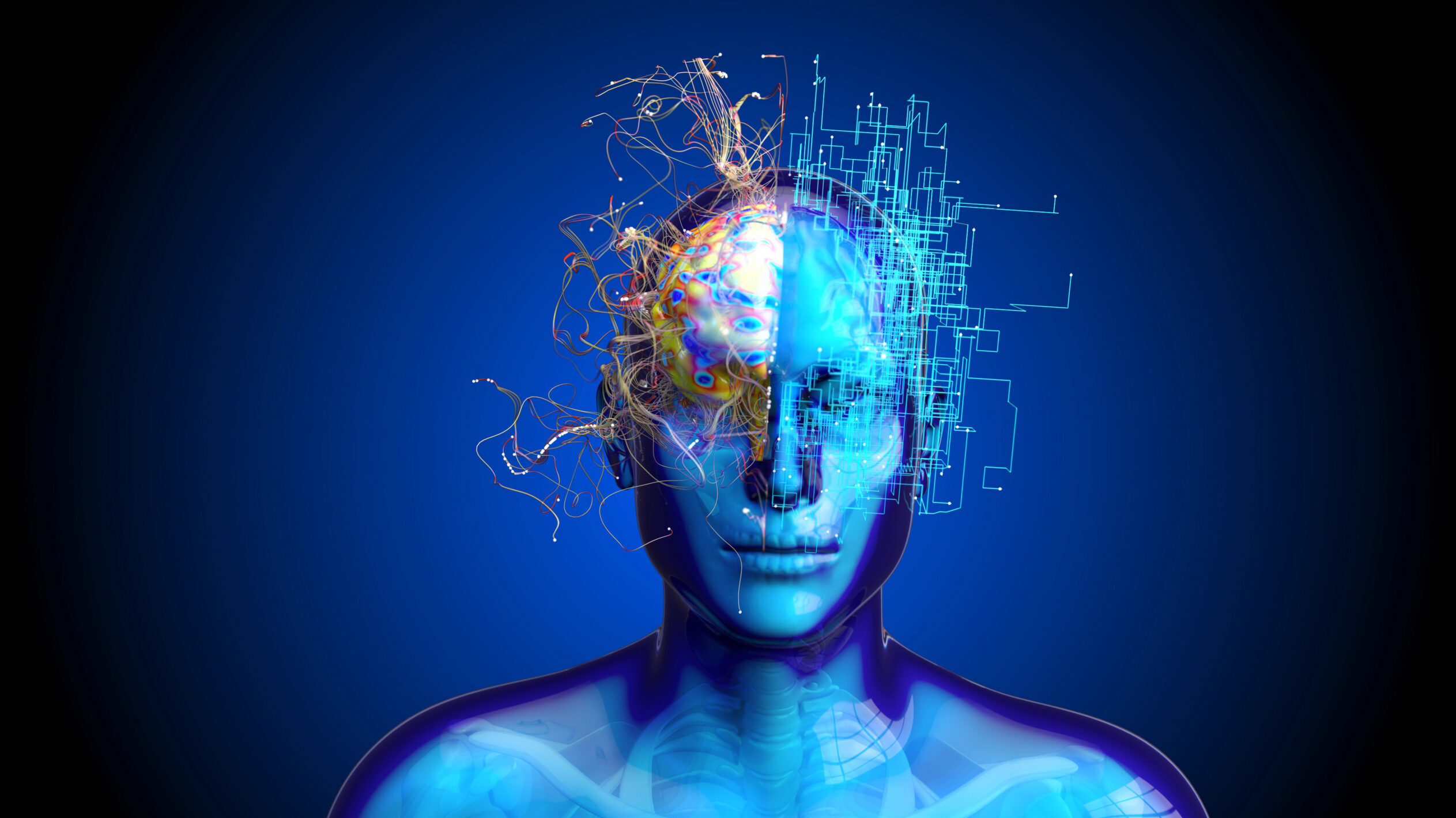
World Mental Health Day, observed on October 10, focused on several pressing issues in mental health, including the role of individuals with personal experiences, the implications of AI chatbots, the psychological impacts of digital connectivity, and family estrangement.
Read More
The World Health Organization (WHO) is advocating for a more significant role for those who have experienced mental health conditions in shaping care and policy. WHO stated on its website that World Mental Health Day serves as an opportunity to engage meaningfully with those who have lived experience, emphasizing their insights as a crucial form of expertise. The campaign this year calls for these voices to influence the policies, services, and decisions that affect their lives.
Concerns surrounding the increasing use of AI in mental health care have also emerged. Research outlined in the journal Acta Psychiatrica Scandinavica indicates that chatbot interactions among vulnerable patients can lead to worsened symptoms, including exacerbated delusions, manic episodes, and suicidal thoughts. Additionally, a study from Scale AI, shared with TIME, found that while chatbots can identify users in crisis, they often fail to provide appropriate responses. In approximately 35% of test interactions, chatbots recognized distress but did not guide users to essential resources, such as suicide hotlines.
The phenomenon of constant online connectivity is also raising psychological concerns. A longitudinal study from Baylor University revealed a “loneliness paradox,” where increased online interactions corresponded with greater feelings of isolation. Heavy engagement with social media was linked to elevated anxiety and perceived loneliness.
Further research is delving into the impact of family estrangement. A study by Cornell University indicated that nearly 27% of American adults are estranged from at least one family member. According to the Journal of Marriage and Family, 26% of adult children experience periods of estrangement from their fathers, and 6% from their mothers. Estrangement has been associated with feelings of both relief and “ambiguous loss,” which describes the distress of mourning someone who is still alive.