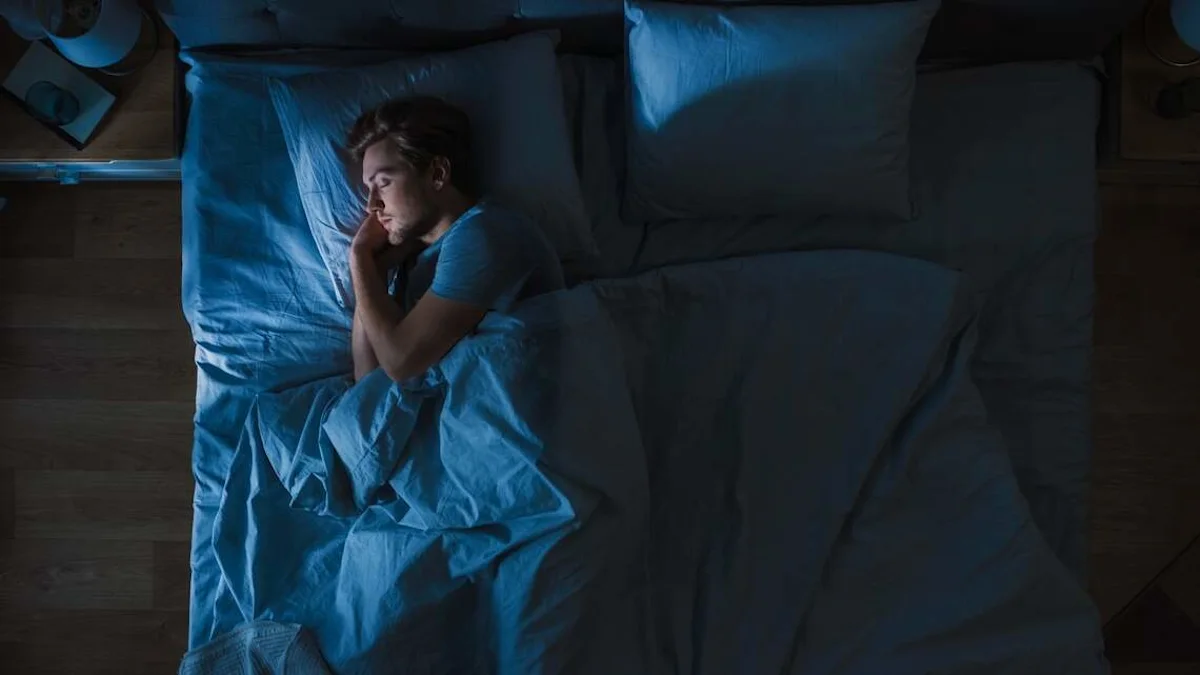
Research published in Neuropsychiatric Research in August 2026 indicates a potential causal relationship between specific sleep patterns, such as insomnia and daytime napping, and a higher risk of hemorrhoidal disease. The study utilized genetic data from large European ancestry cohorts and employed Mendelian randomization to assess whether these sleep factors significantly influence hemorrhoid risk.
Read More
The findings revealed that insomnia was associated with about a 23% increased likelihood of developing hemorrhoids. Interestingly, longer sleep duration and daytime napping showed a correlation with elevated risks as well, with increases of approximately 16% and 14%, respectively. These results challenge the common belief that more sleep is inherently beneficial for health. Perianal conditions, which include hemorrhoids as well as anal fissures and abscesses, can lead to pain and complications during bowel movements, prompting researchers to consider sleep hygiene as a factor in managing these issues.
In examining whether hemorrhoids affect sleep quality, the reverse analysis found limited evidence that perianal diseases lead to sleep disorders, although an association was noted between anal fissures and sleep duration. Previous studies suggest that the discomfort from hemorrhoids can disrupt sleep, with individuals getting less than six hours of sleep per night reporting higher levels of pain and swelling. The stress of disturbed sleep may exacerbate constipation, a known risk factor for hemorrhoids.
To ease discomfort for those suffering from hemorrhoids, Cary Gastroenterology Associates recommends several strategies for improving sleep. These include lying on one’s side to relieve pressure, elevating legs to enhance circulation, and using breathable bedding. Cold compresses or warm sitz baths can also help soothe irritation before bed. Maintaining a fiber-rich diet and proper hydration may prevent straining during bowel movements, while over-the-counter treatments can provide additional relief. Gentle cleansing with warm water or moist wipes, along with wearing loose clothing, can also minimize discomfort.