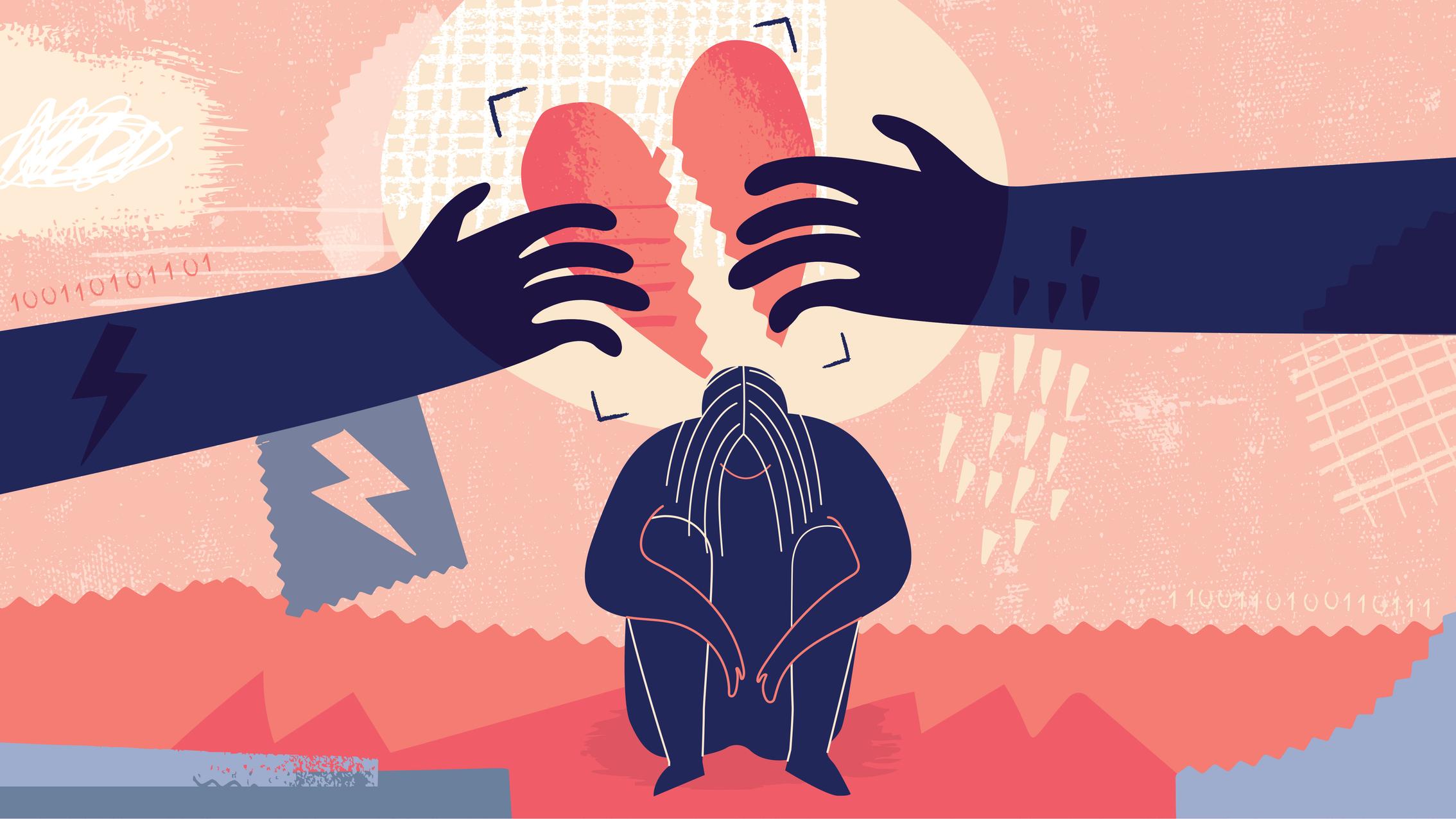
Some relationships need to end for safety and well-being. In a case from years ago, a woman was subjected to cruelty by her husband, who aimed to manipulate her for money while trying to drive her toward suicide. Leaving him was essential, and she is now happily remarried. However, most troubled relationships do not resemble such extremes; they often involve disappointment, resentment, and misunderstandings.
Read More
In over 20 years of clinical practice, the only time I recommended divorce was in that grave situation. Mental health professionals have made strides in identifying unhealthy relationships, with a robust vocabulary addressing boundaries, trauma, and emotional safety. Yet, I am concerned that we struggle to assist people in navigating difficult but meaningful connections.
This irony exists because psychotherapy emphasizes the healing aspects of connections, yet therapists might undervalue relationships outside the therapy room. Relationships teach vital psychological skills, such as emotion regulation and conflict negotiation, which therapy aims to cultivate.
Often, we misinterpret relational distress as dysfunction. Columnist Elizabeth Bernstein highlighted this issue, revealing cases where therapists encouraged adult children to sever ties with their parents after minimal efforts to mend the relationship. A survey indicated that about one-third of estranged parents felt their children's therapists suggested or influenced such decisions. This trend raises concerns.
The issue affects various relationships, including marriages, sibling bonds, and friendships. Therapists may too quickly support the ending of challenging relationships rather than fostering the skills necessary to repair them. Leaving a relationship may alleviate an immediate issue but may also lead to new problems. In my practice, I frequently see clients who have ended long-standing relationships, only to find themselves isolated and less equipped to deal with future conflicts.
The loss of social connections can lead to increased distress in the long run, as close relationships are essential for mental health. Maintaining these connections requires ongoing effort and can provide essential support and resilience, particularly in an increasingly digital world where in-person interactions are decreasing.
I learned this lesson personally about 15 years ago when a woman sought help for her husband suffering from obsessive-compulsive disorder. He began treatment and made significant progress. However, their marriage deteriorated, and eventually, he reverted to his prior struggles while she fell into depression. We treated his symptoms but neglected the relationship.
This example underscores broader issues within mental healthcare, which is primarily structured around individualistic frameworks. Treatments usually focus on the individual, often overlooking how relational dynamics contribute to mental health. Furthermore, the system can pathologize normal negative emotions, amplifying distress rather than alleviating it. While avoiding uncomfortable feelings may offer temporary relief, it ultimately hinders the ability to face difficulties.
Effective therapy should help people tolerate distress and navigate the strains that can arise in relationships. Stress and disappointment in relationships are normal and shouldn't be seen as signs of failure.
Therapy should focus not just on identifying relationship problems but also on fostering the skills necessary for sustaining connections. By learning to reconnect with loved ones, individuals enhance their ability to interact positively with others. Mel Robbins articulated a valuable approach in her book, The Let Them Theory, suggesting that we should let others be imperfect and adjust our responses accordingly.
Many conflicts arise from the desire to control how others act. While some change is possible, often the wiser choice is to accept others as they are rather than insisting on change as a prerequisite for maintaining relationships. Unfortunately, some professionals dismiss this perspective, failing to recognize the significance of staying connected to imperfect individuals without losing our sense of self.
Ultimately, human beings thrive in relationships, and those relationships require skills that therapy should aim to develop.