Edonia, a French start-up, has raised €15 million (approximately US$16.8 million) to enhance the production of its spirulina-derived protein ingredient, Edo, aimed at food manufacturers and food service operators. The funding will facilitate the establishment of a new production facility in France and promote commercial growth in Europe, Japan, and the United States.
Read More
Hugo Valentin, Edonia’s co-founder and CEO, explained that the new facility is expected to open by the end of 2027 with a target production capacity of around 2,000 tons per year. This facility will build upon the existing production site in Agen, which currently delivers tons of Edo monthly. According to Valentin, Edonia’s Edonization technology has achieved Technology Readiness Level 7, utilizing standard food industry equipment that has been tested at full scale.
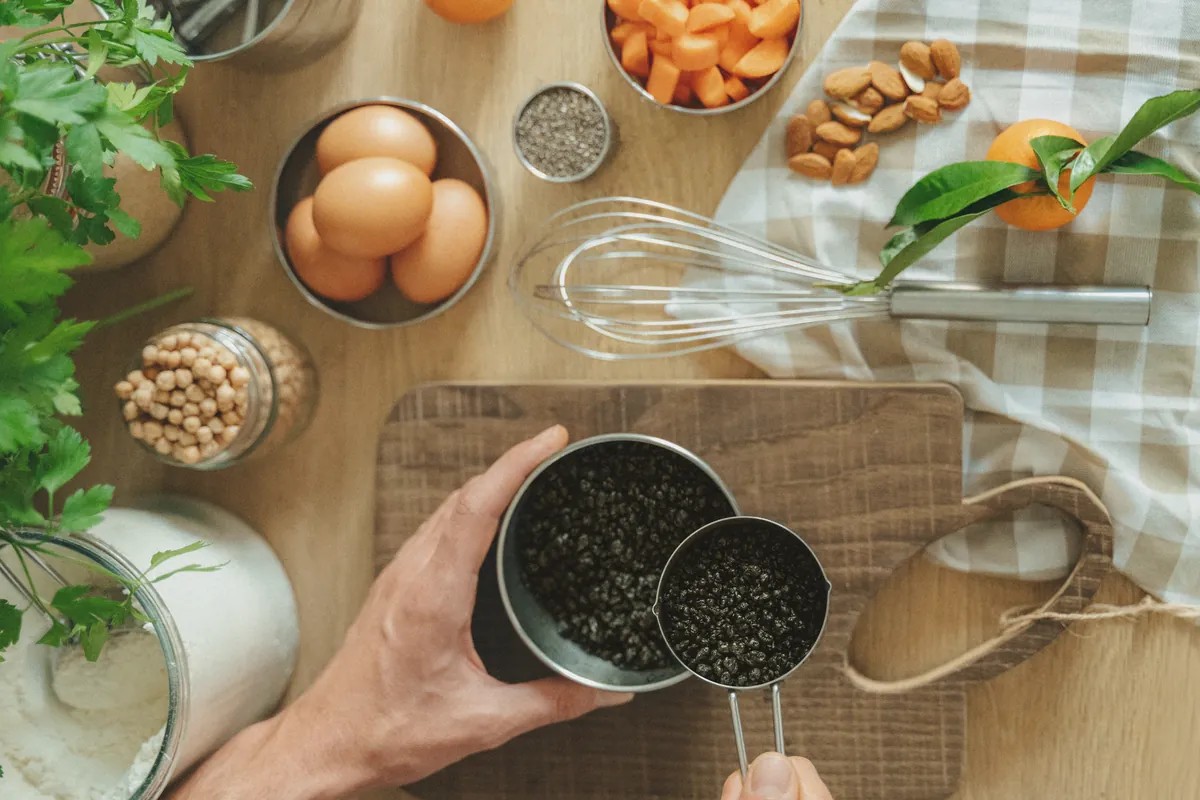
Valentin emphasized that their main objective is to fulfill pre-orders from leading food manufacturers and to develop a support team for customers creating new products with Edo. He described Edo as a granular, dark brown ingredient with a neutral flavor profile that can serve as a primary protein source in a meal. This transformation enables the use of microalgae in various food products.
Edo has a protein content of 27 grams per 100 grams, retains essential nutrients, and contains minerals like iron. It is noted for its versatility and can be incorporated into prepared meals including bolognese, shepherd’s pie, and various plant-based dishes.
Manufacturers typically use Edo in amounts ranging from 5% to 30%, achieving significant protein and iron nutrition claims. Valentin mentioned successful trials where 100% of ground beef was replaced in recipes served by Newrest, illustrating Edo's potential in diverse culinary applications.
Edo is marketed as an individually quick frozen (IQF) product, requiring no preparation before use. It remains stable during sterilization processes, making it easy to integrate into existing recipes with minimal adjustments. Edonia's Edonization process keeps the ingredient list simple, consisting mainly of whole spirulina and a small amount of sunflower oil, earning it a favorable status among clean-label ingredients.
As production scales up, Edonia aims to produce thousands of tons of Edo annually, maintaining batch consistency and aiming to compete directly with the price of ground beef. The company highlights that Edo has a significantly lower carbon footprint compared to beef, positioning it as a sustainable alternative for the food industry.