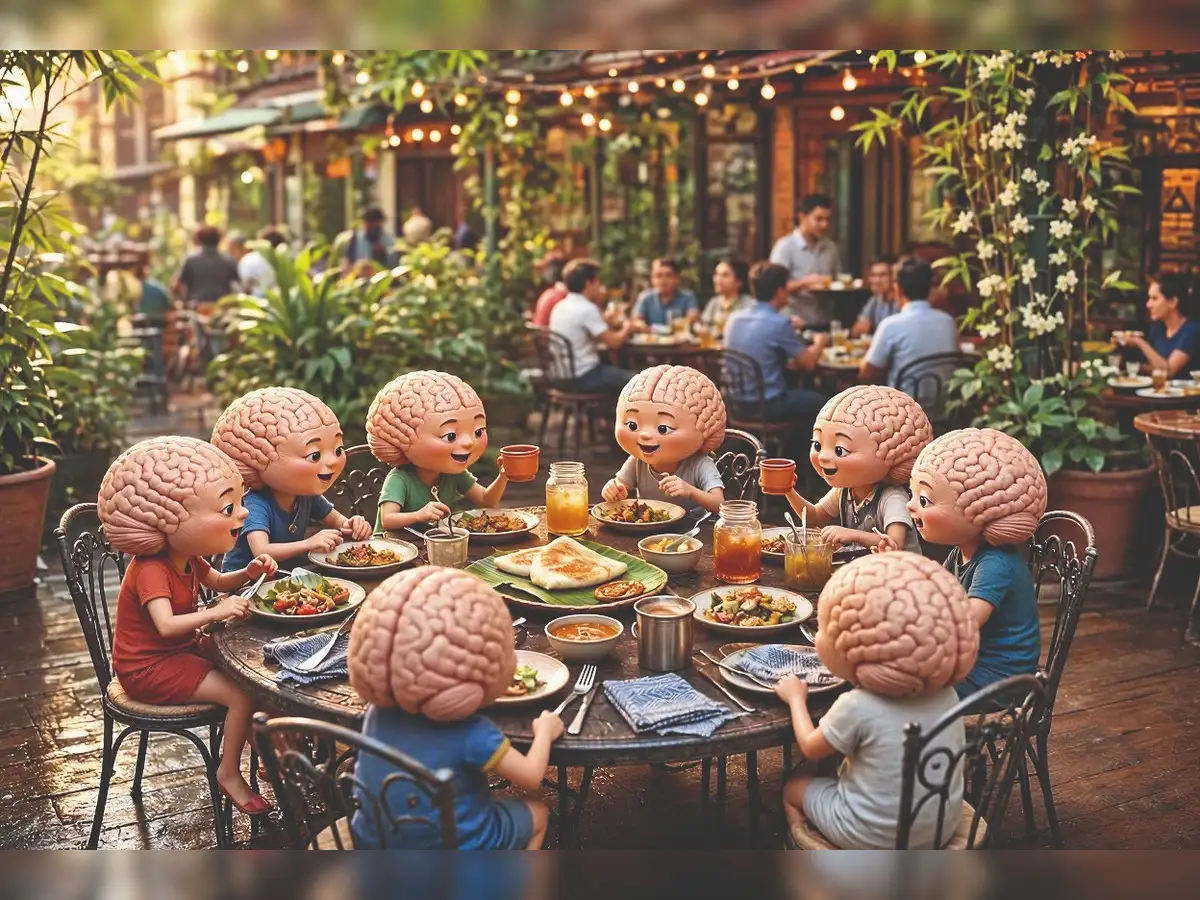
World Mental Health Day, observed today, focuses on the theme 'Lived experiences heard: Real voices, real change'. This theme emphasizes engaging with individuals who have lived experience with mental health conditions, thereby recognizing their insights as essential expertise. The aim is to empower these individuals to influence decisions, co-design services, promote peer-led initiatives, combat stigma, and enhance accountability.
Read More
Current societal issues of alienation and isolation are particularly evident this decade. Despite various avenues for online and offline connection, many people report feeling lonely and disconnected, contributing to a rise in anxiety among generations. As economist-epidemiologist Ramanan Laxminarayan points out in his book, "Bacteria to Buddha: How Cooperation Shaped Consciousness - and Makes Us Human," consciousness developed not in isolation but as a tool for stabilizing complex social relationships. Historian Rutger Bregman also highlights empathy and collective cooperation as humanity's evolutionary strengths in his 2019 work, "Humankind: A Hopeful History".
However, the question arises: what is hindering our ability to connect today? It is important to distinguish between mental illness, which requires professional attention, and mental health, which is vital for everyone. Just as our bodies need proper care, our minds require social interaction and nurturing environments for good mental wellness. Our brains thrive on face-to-face interactions, which help build trust and resolve conflicts.
In the past three decades, society has shifted from in-person interactions to screen-based communication, allowing individuals to engage with many people daily without direct contact. Laxminarayan notes that it's possible to live surrounded by services yet remain untouched by community. Neuroscientists emphasize that our brain circuits for social living can become underactive and that a lack of social connection can lead to increased anxiety and mistrust.
Post-pandemic, there has been a reported surge in common mental disorders, with a 2015-16 National Mental Health Survey indicating that around 5% of Indians, or approximately 75 million people, experience issues such as depression, anxiety, and stress, particularly in urban areas.
There is hope, as mental resilience can be rebuilt. While individuals with mental illnesses need specialized care, many who experience modern life’s stressors can benefit from support. During the National Mental Health Festival 'Manotsava' in Bengaluru last year, psychologist Richie Davidson emphasized that practicing mindfulness and compassion can fundamentally change the brain, promoting kindness and connection as a default state.
Restoring social connections is crucial. As Swami Satchidananda stated, 'Replace 'I' with 'we', and 'illness' becomes 'wellness'.' Addressing isolation can enhance our innate abilities of compassion and collaboration, driving society to tackle its challenges creatively. With the growing influence of AI in personal life, a key concern is retaining and strengthening human capacities that machines may not replicate. Recognizing our strengths in compassion and cooperation may empower us to nurture these qualities more consciously.