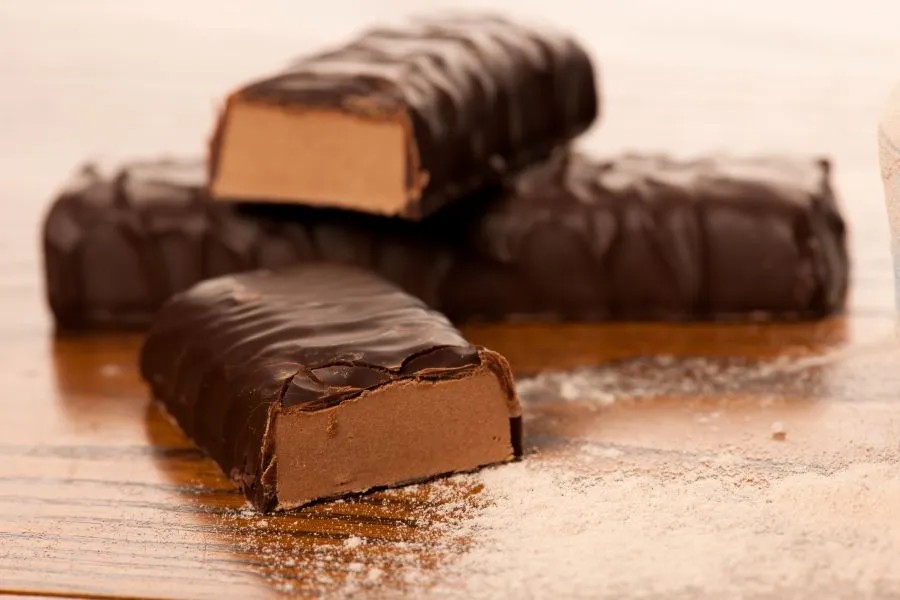
David Protein, a U.S.-based company, is facing a lawsuit regarding the accuracy of its protein bar nutritional labels. Independent testing conducted by Anresco Laboratories, accredited by the U.S. FDA, revealed that the protein bars contain between 78 and 83 percent more calories and 400 percent more fat than indicated on their labels. The label claims each serving has 150 calories and 2.5 grams of fat, but testing found that the bars actually contain 271 calories and 11 to 13.5 grams of fat.
Read More
Peter Rahal, CEO of David Protein, has responded to the allegations, asserting that they are “simply wrong” and based on a flawed interpretation of U.S. food labeling regulations. He contends that the fat and calorie content in the bars accurately reflects what is advertised.
Rahal criticized the testing method referred to in the lawsuit, which employs bomb calorimetry to measure the total heat released when food is burned. He explained that while this method is commonly used, it is not appropriate for foods containing certain ingredients, including dietary fibers, certain sweeteners, and fat substitutes like esterified propoxylated glycerol (EPG).
He claimed that burning these ingredients in a calorimeter could misleadingly suggest they provide more calories than the body can metabolize: "These ingredients are not fully bioavailable and therefore do not yield their full caloric content when ingested."
Additionally, Rahal pointed out that the FDA permits various methods for calorie calculation based on specific ingredients, emphasizing that EPG contributes only 0.7 calories per gram instead of the 9 calories attributed to conventional fats. David Protein maintains that its labels comply with all FDA regulations and that it will vigorously defend against the lawsuit. Rahal reiterated the company’s commitment to providing high-protein, reliable products for consumers.