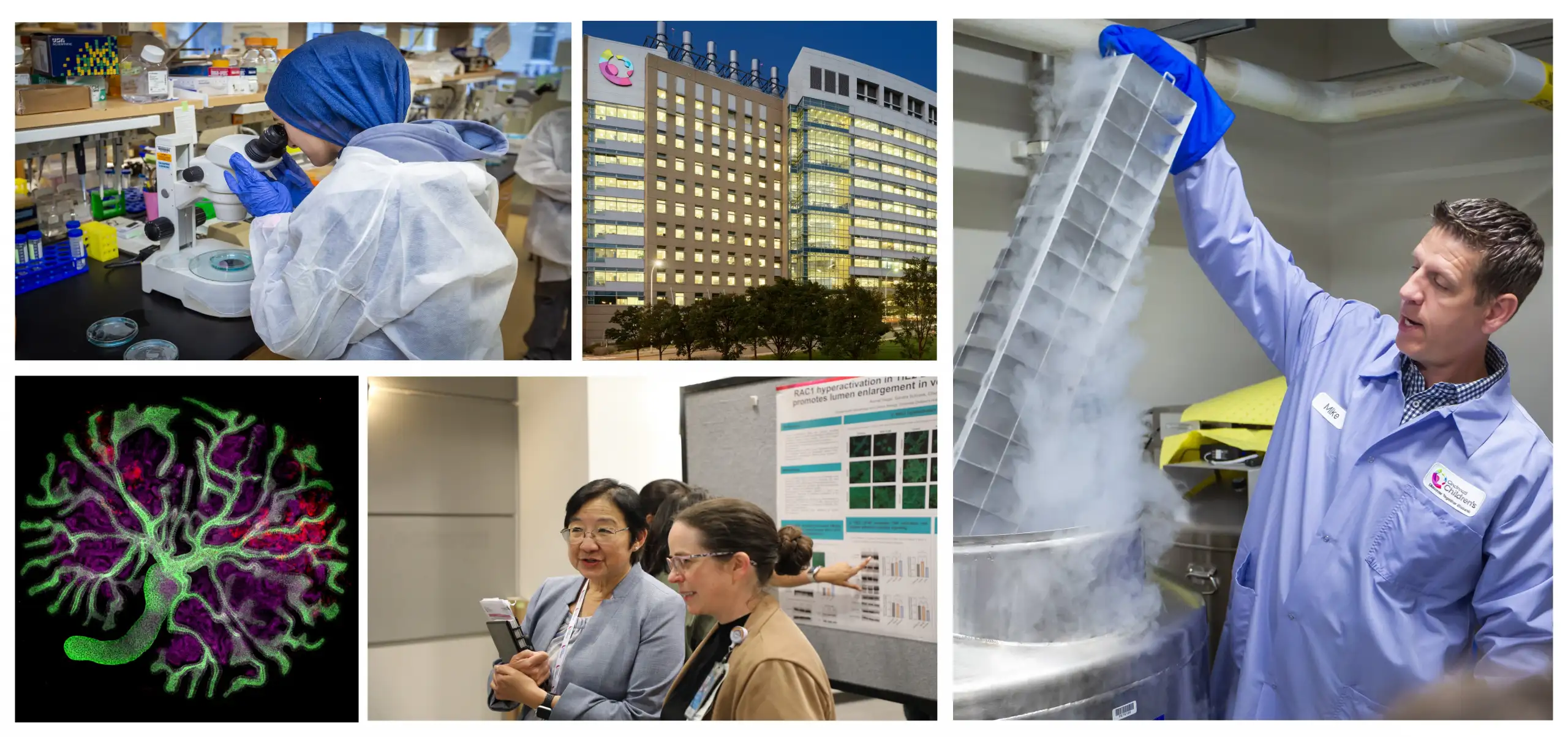
Tina Cheng, a research leader at Cincinnati Children’s, along with her colleagues, anticipates significant improvements in child health across multiple domains.
Read More
In a recent article published in Pediatric Research, they outline ten areas primed for major advancements, including gene therapy, precision medicine, artificial intelligence, mental health, and cancer care. These developments have the potential to enhance health throughout life by preventing diseases, enabling earlier diagnoses, and personalizing treatments for children.
Realizing this potential will depend on continuous research funding, equitable access to healthcare, ethical considerations, and robust support for the pediatric research workforce.
For instance, a mother who struggled with sickle cell disease can now see her child grow up free from pain crises due to advancements in treatment such as penicillin and hydroxyurea, along with the introduction of curative gene therapies. Similarly, the five-year survival rate for children with acute lymphocytic leukemia (ALL) has improved from 57% in 1975 to over 92% today, illustrating the impact of progress in cancer treatment.
Cheng, MD, MPH, leads the Cincinnati Children’s Research Foundation and emphasizes the need for sustained financial and structural support to maintain and accelerate progress in child health research. Despite advancements, she notes ongoing funding challenges, particularly with child health research being historically underfunded in comparison to adult health issues.
The ten identified areas for improvement in child health include:
1. **Genetics and Genomics**: Advances in gene editing and therapy are revolutionizing treatments for genetic disorders, promising hope for children previously affected by lifelong illnesses. Key factors include the need for updated financial and regulatory frameworks to ensure equitable access.
2. **Mental Health and Neurodevelopment**: The American Academy of Pediatrics declared a national emergency in child mental health. Research advancements offer new insights into brain function, highlighting the importance of early intervention and systemic support for mental healthcare.
3. **Vaccines and Infectious Disease Prevention**: Historical vaccine development has saved countless lives. Newer vaccines and mRNA technology show promise for broader applications; however, rising vaccine hesitancy necessitates ongoing community engagement.
4. **Artificial Intelligence and Digital Health**: AI tools are transforming diagnostic practices and healthcare delivery. The future will likely see broader applications for AI, which will require investment in ethical governance and clinician education.
5. **Neonatal and Perinatal Health**: Early interventions, including fetal surgery and improved neonatal care, show promise against lifelong health risks. However, disparities in outcomes persist, requiring focused efforts to address these challenges.
6. **Personalized Medicine**: Rapid genetic testing and data analysis are paving the way for tailored treatments, significantly shortening the diagnostic journey for various childhood conditions.
7. **Social Determinants of Health**: Research into social determinants is vital in understanding and addressing health inequities, requiring a broader approach beyond healthcare settings.
8. **Nutrition and Obesity Management**: Childhood obesity rates have risen alarmingly, prompting the need for innovative approaches to treatment, including new drugs and precision nutrition tailored to individual needs.
9. **Environmental Health**: Research continues to uncover links between environmental exposures and health outcomes in children. Climate change poses additional risks that need urgent investigation.
10. **Cancer Treatment and Survivorship**: Funding advancements in cancer treatments, including precision therapies and immunotherapy, have transformed pediatric oncology, yet ongoing research is required to support survivors into adulthood.
These ten areas demonstrate the interconnectedness of scientific advancements and highlight the necessity for well-planned investment and support in child health research. Cheng and her co-authors stress that enhancing the pipeline for pediatric research talent and addressing public trust in science are critical to future success.