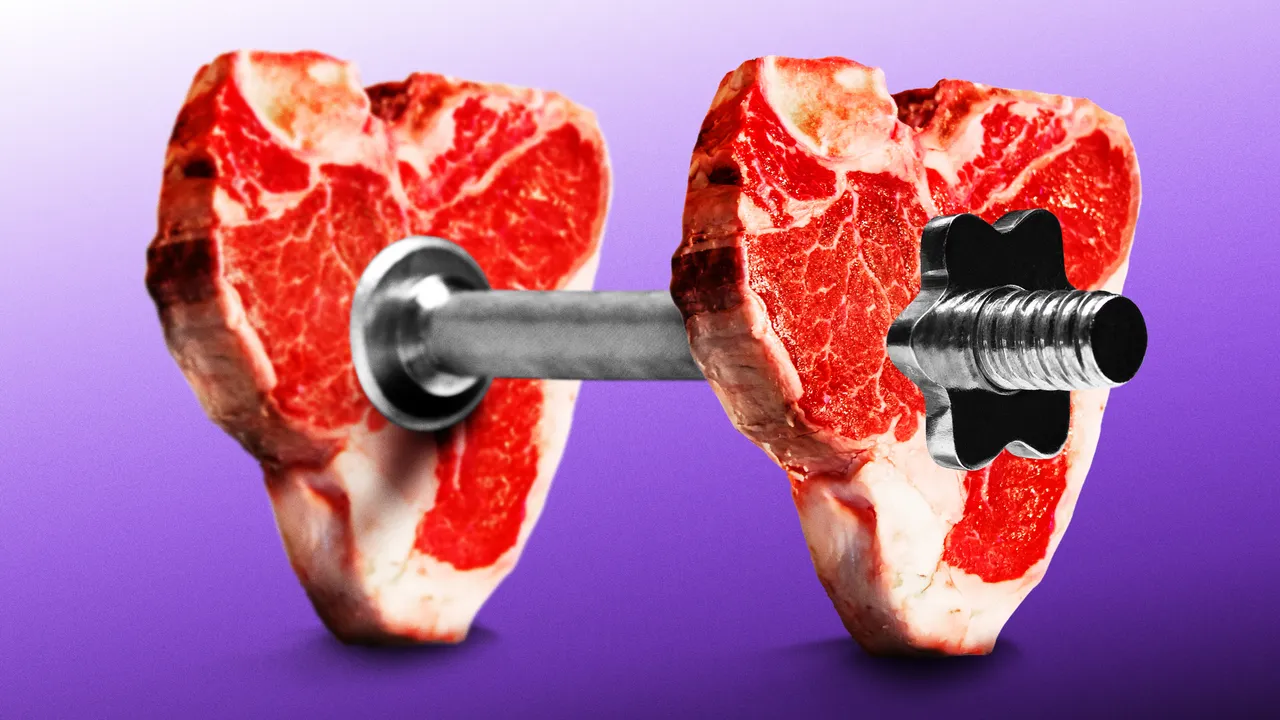
Engaging in regular workouts increases protein requirements for individuals compared to sedentary lifestyles. While many fitness enthusiasts invest in protein-rich products after exercising, the need for protein is substantiated by the body’s requirement for amino acids to repair muscles.
Read More
Sports dietitian Sarah Gilbert from the Sargent Choice Nutrition Center at Boston University notes that the average American already consumes more protein than necessary. The recommended dietary allowance is 0.8 grams per kilogram of body weight, equating to about 70 grams for a 195-pound individual. However, athletes or those engaged in intense weight training may require significantly more, with experts like Ricky Ng, director of performance nutrition for the Las Vegas Raiders, suggesting a target of 1.6 to 2.4 grams per kilogram, which is two to three times the standard recommendation.
Proper timing of protein intake is crucial as well. Many people tend to consume protein unevenly, often eating larger portions at dinner while relying heavily on carbohydrates throughout the day. Ng emphasizes the importance of distributing protein intake across three to five meals daily instead of concentrating it all in one meal. Contrary to previous beliefs, immediate post-workout protein consumption is no longer deemed necessary.
The body cannot store excess protein as it does with carbohydrates, meaning insufficient intake during recovery could compromise muscle health. Gilbert warns that if protein stores are low, the body may break down muscle tissue for amino acids, which is counterproductive.
Ng further highlights the importance of specific protein sources rich in leucine, an amino acid crucial for muscle synthesis. Proteins that also contain omega-3 fatty acids and vitamin D, such as salmon, pasture-raised eggs, kefir, Greek yogurt, chicken, and beef, can enhance muscle recovery and growth.
While moderate protein consumption poses little risk for healthy individuals, an excessive focus on high-protein diets may lead to neglecting other essential food groups. Gilbert advises that increased protein intake should align with actual workout intensity; simply consuming protein without engaging in adequate exercise will not contribute to muscle development. If circumstances limit post-workout meal options, a protein shake can be beneficial, but it is essential to remember that muscle gains are achieved through consistent exercise rather than just protein consumption.