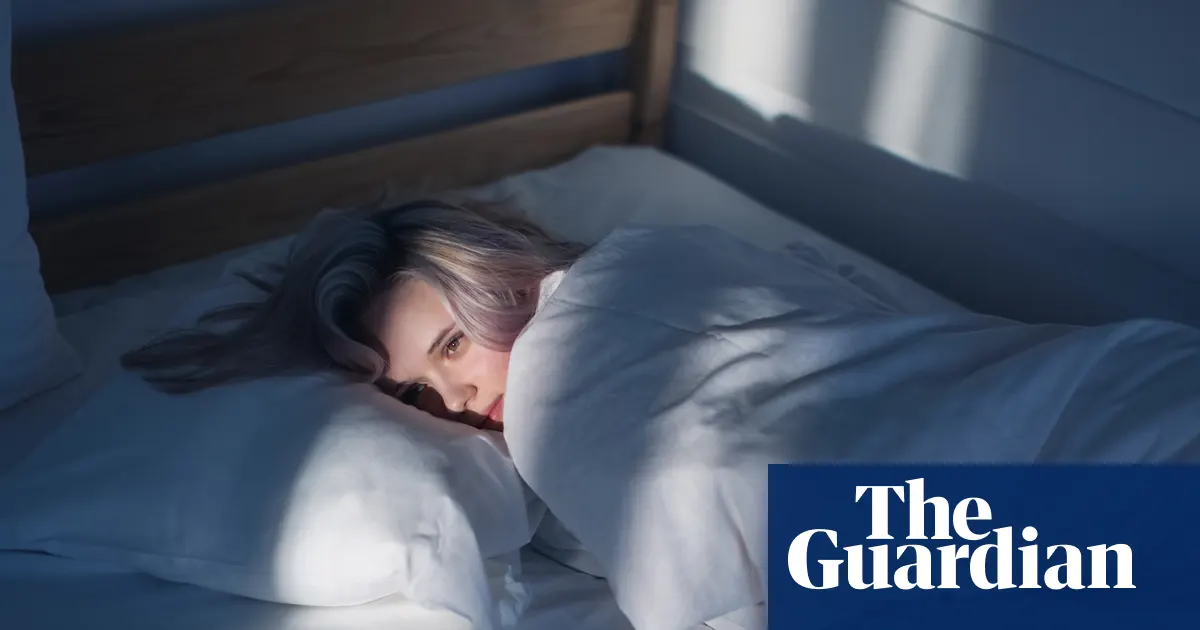
A study from the University of Minnesota School of Public Health indicates that U.S. teenagers are experiencing unprecedented levels of sleep deprivation. Published in Pediatrics, the research highlights a steady decline in sleep duration across all age groups, with only 22% of older adolescents reporting that they sleep at least seven hours each night.
Read More
Rachel Widome, the lead author of the study and a professor at the University of Minnesota, noted that some sleep barriers, such as heavy homework loads and social pressures, have persisted for generations. However, newer issues, including the omnipresence of screens and social media, as well as societal stressors like the pandemic and social unrest, are also contributing to the decline.
The study found notable disparities in sleep outcomes, with Black and Latino teens, along with adolescents from lower-educated families, increasingly struggling to achieve adequate sleep. The most significant declines were observed among older adolescents, as sleep duration and the perception of getting enough rest diminished from early to late adolescence.
Researchers analyzed data from Monitoring the Future, a national survey representing over 400,000 U.S. students in grades eight, ten, and twelve from 1991 to 2023. Participants were asked how often they slept for at least seven hours and whether they felt rested.
Inadequate sleep is linked to everyday fatigue and impaired functioning, as well as long-term health concerns such as mental health issues and chronic illnesses. A separate study by the Aim Ideas Lab found that about two-thirds of California teens reported experiencing burnout and anxiety, attributing this largely to relentless academic pressure.
Jolie Delja, executive director of Aim Youth Mental Health, emphasized the need for schools to provide opportunities for students to develop coping skills, rather than solely addressing stress during crises. She suggested that students require more time and space to engage in restorative activities, including sufficient sleep.
Research has also shown that teens who go to bed earlier and get more sleep tend to have better cognitive performance. Although researchers acknowledge there is no one-size-fits-all solution, they advocate for broader changes, such as delaying high school start times to 8:30 a.m. or later, to align with adolescents' circadian rhythms.
Widome concluded that improving the sleep culture requires a commitment to policies and interventions that promote healthy sleep habits for all adolescents.