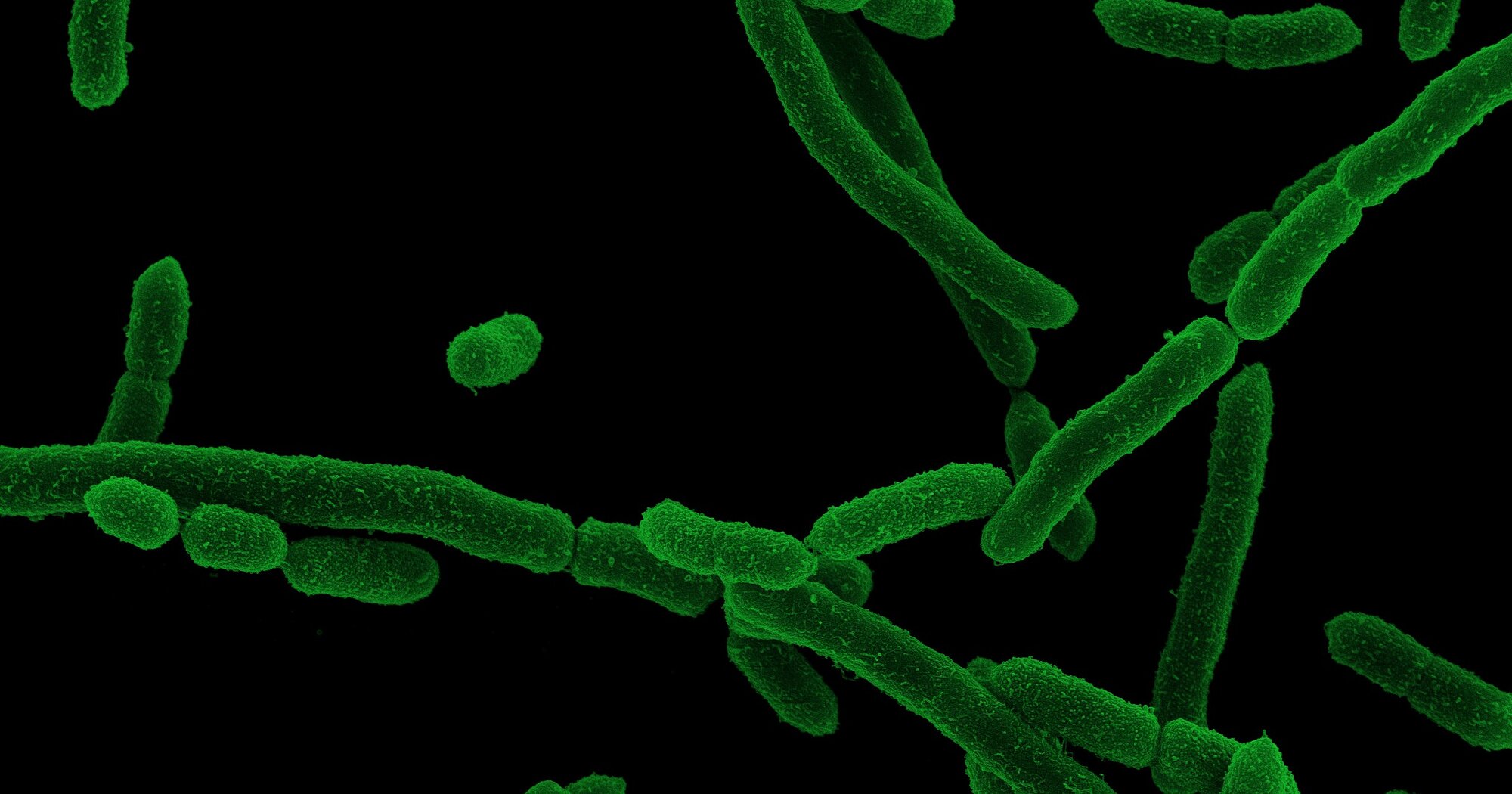
Recent research led by Prof. Till Strowig of the Helmholtz Centre for Infection Research (HZI) indicates that the gut microbiome's composition is influenced not only by diet but also by the interactions of pre-existing bacteria. The study examined how dietary components affect competition between two prevalent bacterial groups in the gut: Bacteroidaceae, commonly found in industrialized populations, and Prevotellaceae, which includes Segatella copri, often more abundant in non-industrialized populations.
Read More
The team sought to identify the factors influencing competition between these bacteria. Dr. Caroline Tawk, a co-author and former member of Strowig's team, emphasized the need to understand these interactions. She conducted part of her research at the European Molecular Biology Laboratory (EMBL) in Heidelberg, where she developed a complex experimental setup to study various dietary components.
The researchers established a defined community of 21 human gut bacteria and assessed 94 dietary components, focusing on complex carbohydrates and vitamins. Notably, over half of these components fostered the growth of S. copri. They conducted an in-depth exploration of arabinan, a carbohydrate found in plant cell walls. While both S. copri and some Bacteroidaceae can directly consume arabinan, this alone did not explain the observed increase in S. copri's presence.
Interestingly, the competitive advantage for S. copri was seen only in the presence of Escherichia coli and not when S. copri was isolated with Bacteroidaceae alone, even with arabinan present. Tawk noted that the addition of E. coli shifted the competitive balance towards S. copri. Other Enterobacteriaceae, such as Klebsiella and Salmonella, similarly promoted S. copri under specific conditions.
Moreover, strains of E. coli that do not metabolize sugars produced during arabinan digestion still facilitated the growth of S. copri. Dr. Youssef El Mouali, another co-author, suggested that the sugars may act as signaling molecules rather than being consumed by E. coli. However, the precise molecular mechanism remains unclear.
Complementing laboratory findings, the HZI team analyzed microbiome data from around 1,000 healthy adults, with the help of researchers from the University of Trento. The data revealed that S. copri and Enterobacteriaceae were more prevalent and diverse in non-industrialized populations. Within this group, a greater variety of Enterobacteriaceae species correlated with increased S. copri presence, supporting the notion that these interactions persist in the human gut.
Strowig concluded that the effects of dietary components should be viewed in the context of the existing bacterial community, and further research is necessary to explore implications for personalized diet and microbiome strategies.