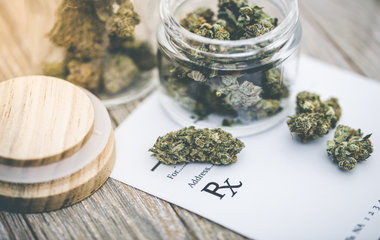
A recent survey conducted by the American Academy of Sleep Medicine highlights the varied impact of marijuana use on sleep. Among 2,007 U.S. adults surveyed, 33% reported improved sleep when using marijuana, while 19% indicated that their sleep was either unaffected (11%) or worse (8%). Additionally, 47% of respondents stated they do not use marijuana.
Read More
The survey results also show notable differences based on gender and age. More than half of women (55%) reported not using marijuana, compared to 39% of men. Conversely, 39% of men noted better sleep attributed to marijuana use, whereas this figure was 28% for women. Respondents aged 25 to 44 were most likely to report the positive effects of marijuana on sleep, with 45% affirming its benefits.
Dr. Kannan Ramar, past president of the AASM, emphasized that the relationship between marijuana use and sleep is complex, noting that while many states have legalized its use, marijuana is associated with risks including daytime sleepiness and sleep disruption.
Research on cannabis and sleep has produced mixed outcomes. A systematic review found cannabinoids may enhance perceived sleep quality, yet another study indicated that long-term cannabis use could lead to increased wakefulness at night.
A pilot study suggested a psychological component, showing that individuals who believed cannabis would help their sleep often overestimated their sleep quality. Dr. Ramar advised those with persistent sleep issues to consult healthcare professionals, as sleep specialists can offer effective treatments for insomnia and related disorders.
According to the CDC, 3.7% of U.S. adults used marijuana regularly in the past month to assist with sleep. The AASM guidelines recommend cognitive behavioral therapy as the first-line treatment for chronic insomnia, with prescription medications as alternative options.
To improve sleep hygiene, the AASM suggests maintaining a consistent sleep schedule, creating a calming sleep environment, avoiding sleep disruptors like caffeine and screens, and utilizing relaxation techniques. Individuals struggling with sleep should seek guidance from their doctor, who may refer them to a sleep medicine specialist.