Understanding eye pressure is crucial for millions at risk of glaucoma, as it can significantly impact vision preservation. Despite extensive research, the regulation of daily fluctuations in eye pressure and their connection to glaucoma remains unclear. A series of studies led by Christopher Passaglia from the University of South Florida aims to bridge these knowledge gaps.
Read More
Recently published in Investigative Ophthalmology & Visual Science, Passaglia's research, with USF alumna Alexandra Zamitalo as lead author, introduces a pioneering wireless eye-pressure monitoring system. This innovative technology allows for continuous measurements in rats, which exhibit daily eye-pressure rhythms similar to those in humans.
The researchers explored how the circadian rhythm influences eye pressure regulation. This internal clock manages various physiological functions, including sleep and hormone production, with light acting as a key synchronizing signal. Passaglia remarked, "No one was continuously measuring eye pressure until we figured out a way, revealing patterns that were largely invisible before. This could help develop new strategies for understanding and treating glaucoma."
Typically, eye pressure is viewed as a singular value taken during annual eye exams. However, Passaglia emphasized that eye pressure fluctuates throughout the day, following a pattern tied to circadian rhythms. Most current assessments occur when patients are awake in a clinical setting, neglecting pressure changes during sleep.
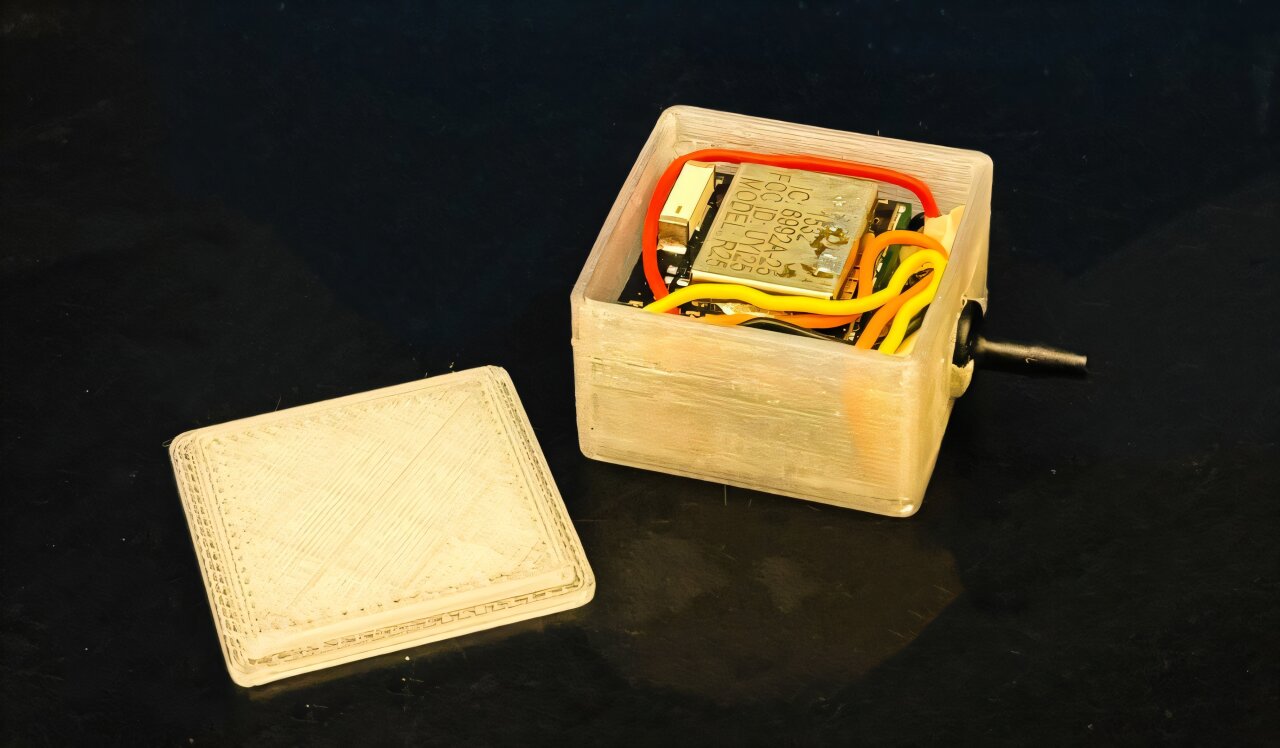
The monitoring device utilized by the researchers employs a miniature pressure sensor connected to the rats’ eyes, allowing data collection as the animals engage in their normal activities. Unlike traditional exams that provide only a brief snapshot, this approach offers continuous insight into pressure variations.
Findings indicated that eye pressure experiences a daily pattern, peaking at night at levels associated with glaucoma, although the rats did not develop the disease for reasons not fully understood. The study also revealed that this nighttime increase is influenced by neural signals from the brain, suggesting that eye pressure regulation is linked to the body's biological timing system rather than being confined solely to the eye.
Passaglia noted the brain's function in coordinating various activities in the body, stating, "Eye pressure appears to be another one of those processes under that kind of control." Given that elevated eye pressure is a significant risk factor for glaucoma, identifying what causes these fluctuations is paramount for understanding the disease.
To examine the impact of circadian rhythms on eye pressure, the researchers disrupted the animals' light-dark cycles with constant light exposure. Passaglia expressed surprise at the pronounced effects observed, stating, "The rhythm disappeared and mean pressure started climbing." These results indicate that light may play a more significant role in eye pressure regulation than previously believed, though the study does not suggest that artificial light exposure directly causes glaucoma.
Imaging studies illuminated how aqueous drainage vessels in the eye shrink at night, which may help explain the daily changes in eye pressure. Further microscopic imaging revealed neural projections around the eye's blood vessels, indicating a role for the brain in eye pressure regulation.
The research findings may not immediately change glaucoma treatment methods; however, identifying the neural pathways and eye tissues involved marks progress in understanding the regulatory system. Moreover, this could clarify why certain therapies vary in effectiveness at different times of the day, potentially guiding treatment timing for better results.
Passaglia concluded, "Understanding the fundamental biology is essential. Once you grasp the mechanism, you can start exploring better intervention strategies."
Publication details include studies like "Circadian Norepinephrine Rhythm Regulates Outflow Facility and IOP in Rat Eyes" and others, all published in Investigative Ophthalmology & Visual Science in 2026.