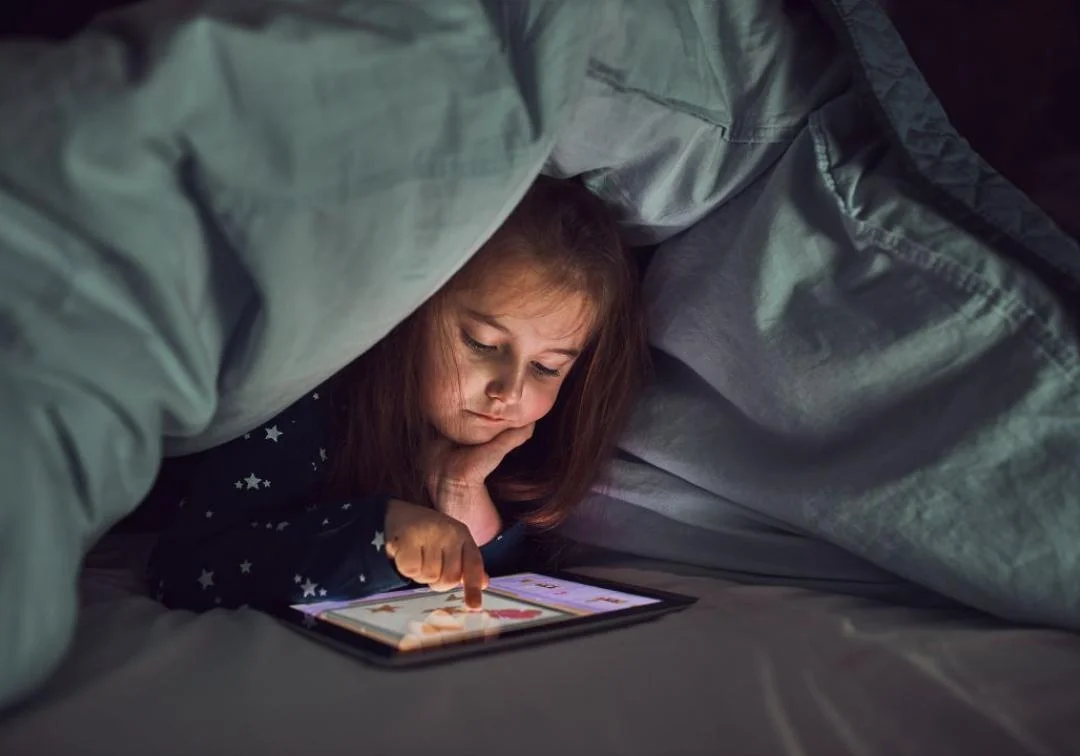
Sleep is essential for young children's brain development, learning, and maintaining a healthy weight. However, families with young kids often face challenges regarding sleep quality, exacerbated by screen use. A recent study from the Australian Centre of Excellence for the Digital Child surveyed 3,324 families with children aged six months to six years to explore the relationship between screen use and sleep patterns.
Read More
The study found that nearly half of children aged two to five did not meet national guidelines recommending less than two hours of screen time per day. Issues with limiting screen use are common among parents. Handheld devices were increasingly used in bedrooms, with nearly 40% of five-year-olds reported to use them there.
While no significant associations were found between screen use and sleep among infants, older children showed a concerning trend. For instance, each hour of handheld device use per day resulted in two-year-olds going to bed nearly 30 minutes later. For three-year-olds, increased device use was linked to not only later bedtimes but also less overall sleep and difficulties functioning the next day.
The findings highlighted that children frequently using any type of screen in the two hours before bed experienced shorter sleep durations and more sleep problems. This correlation was observed across most age groups from one to five years.
The study emphasizes the importance of considering where and when screens are used. Researchers suggest practical steps for families, such as removing screens from bedrooms, establishing relaxing bedtime routines, and limiting the use of bright handheld devices before bed. Reducing screen exposure may help improve children's sleep quality, benefiting both children and parents.
Dr. Cassandra Pattinson, a Senior Research Fellow at the Child Health Research Centre, indicates that while the study presents significant correlations, ongoing research is necessary to understand the long-term effects of screen use on sleep.