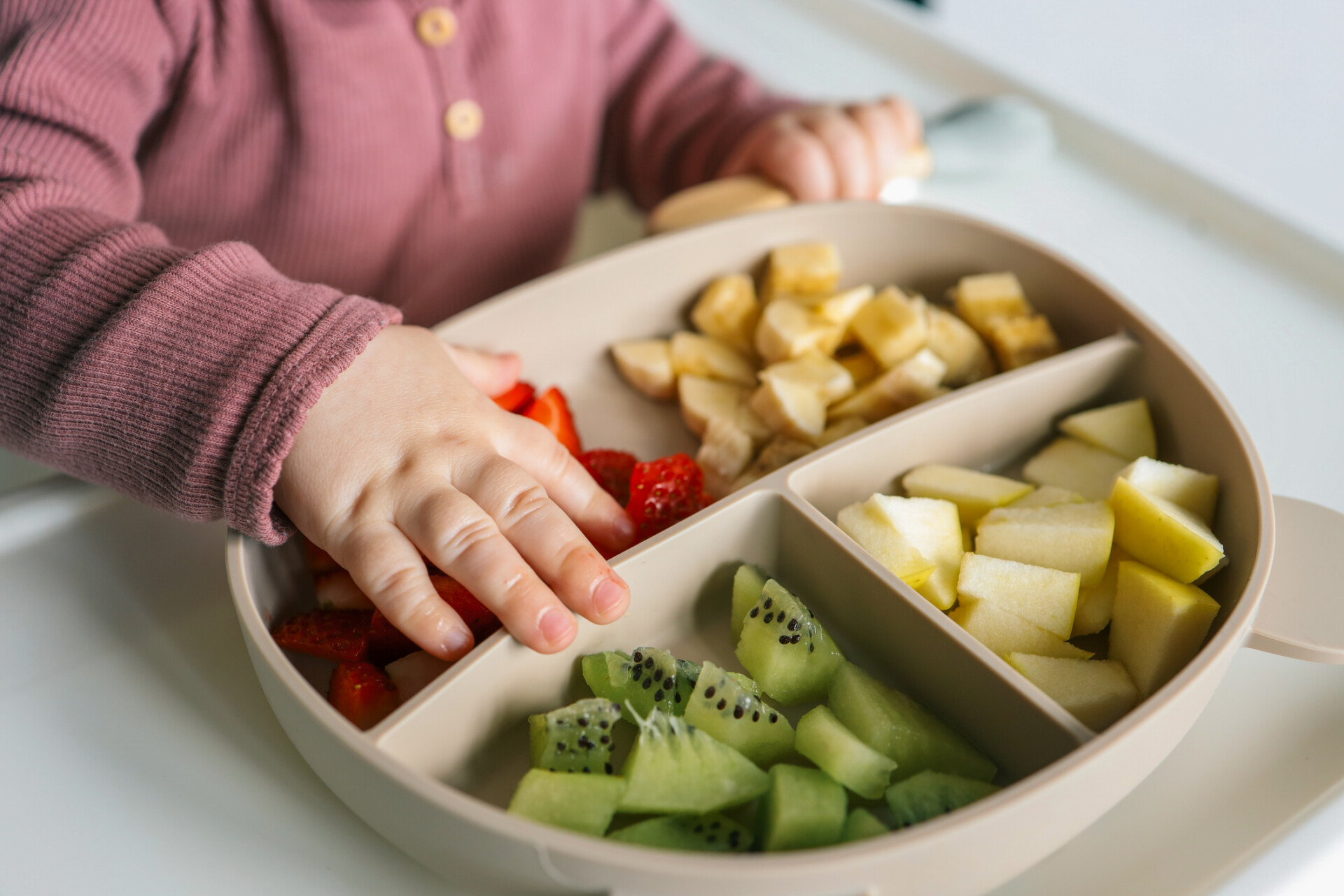
A recent study has shown that babies who undergo baby-led weaning grow at the same rate as those who are spoon-fed. Lead researcher Tang noted that while baby-led weaning has gained popularity, there was a lack of evidence regarding its effectiveness compared to conventional methods. These findings help to provide parents and caregivers with solid research rather than anecdotal evidence.
Read More
Matzeller expressed relief at having research to support baby-led weaning, stating it offers optimism for parents concerned about their children's growth.
Advocates of baby-led weaning argue that this method encourages infants to eat family foods, self-regulate their intake based on hunger, and improve fine-motor skills, all contributing to long-term healthy eating habits. However, there are crucial factors for successful baby-led weaning: infants must be developmentally ready, offered sufficiently soft foods cut into small pieces to prevent choking, and provided with a nutritious diet.
Typically, solid foods are introduced at around six months of age, while infants continue to get most of their nutrition from breast milk or formula. According to Tang, by 10 months to a year, solid food accounts for approximately half of a baby's nutritional intake.
The study is distinct in its approach, defining baby-led weaning as involving less than 10 percent puréed foods and analyzing dietary records for daily calorie and nutrition intake. It also correlated dietary intake with monthly growth data to compare baby-led and conventional weaning's effects. This quantitative analysis provides objective findings that parents can trust when deciding how to wean their infants.
While baby-led weaning's popularity has surged, Matzeller mentioned that it resembles traditional feeding methods used prior to the prevalence of processed baby foods. The study stems from the Maternal and Infant Nutrition Trial, an 18-month research project led by Tang, funded by the National Institutes of Health, investigating the impact of various protein-rich foods on infant growth and gut health.