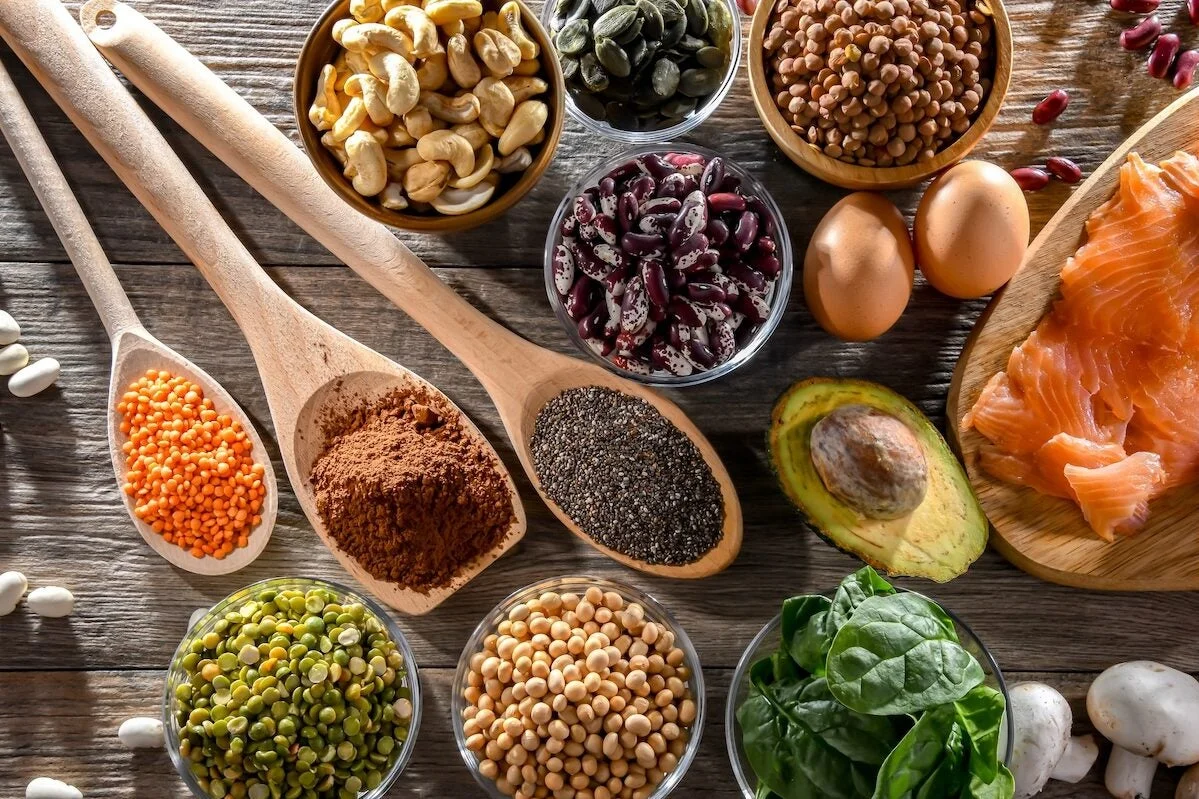
A study from Harvard T.H. Chan School of Public Health, UC Santa Barbara, and the Global Alliance for Improved Nutrition reveals that over half of the global population suffers from inadequate intake of critical micronutrients such as calcium, iron, and vitamins C and E. This research, published in The Lancet Global Health on August 29, 2024, is the first to provide comprehensive global estimates of inadequate consumption of 15 vital micronutrients.
Read More
Micronutrient deficiencies are a prevalent form of malnutrition, leading to serious health issues including poor pregnancy outcomes, vision problems, and heightened vulnerability to infectious diseases. This study assesses whether average nutrient intakes meet the recommended levels and highlights discrepancies based on gender and age.
Chris Free, a research professor at UCSB and co-lead author, noted that this study marks significant progress as it analyzes micronutrient intakes across 34 age-sex groups in nearly every country. The researchers relied on data from multiple sources, including the Global Dietary Database and surveys from 31 countries, allowing them to evaluate nutritional intake in 185 countries.
Findings indicate alarming inadequacies: 68% of the global population is deficient in iodine, followed by 67% for vitamin E, 66% for calcium, and 65% for iron. Additionally, riboflavin, folate, and vitamins C and B6 also showed prevalence of inadequate intake exceeding 50%. In contrast, niacin was inadequately consumed by 22% of the population, thiamin by 30%, and selenium by 37%.
Deficiencies were found to be more pronounced in women for iodine, vitamin B12, iron, and selenium, while men showed greater inadequacies in calcium, niacin, and vitamins A, C, and B6. Notably, younger populations, particularly those aged 10 to 30, were found to have low calcium intake across various regions, including South and East Asia, sub-Saharan Africa, North America, Europe, and Central Asia.
Ty Beal, senior technical specialist at GAIN, described the results as alarming, suggesting that a vast number of individuals across diverse regions are insufficiently nourished in essential micronutrients, which undermines health and human capacity globally. Christopher Golden, senior author and associate professor at Harvard Chan School, emphasized the need for targeted dietary interventions for at-risk populations.
The study acknowledges potential limitations due to inadequate global dietary intake data. Simone Passarelli, a former doctoral student at Harvard Chan School, also contributed as co-lead author and was supported by the National Institutes of Health.
The study, titled "Global estimation of dietary micronutrient inadequacies: a modeling analysis," is available in The Lancet Global Health.