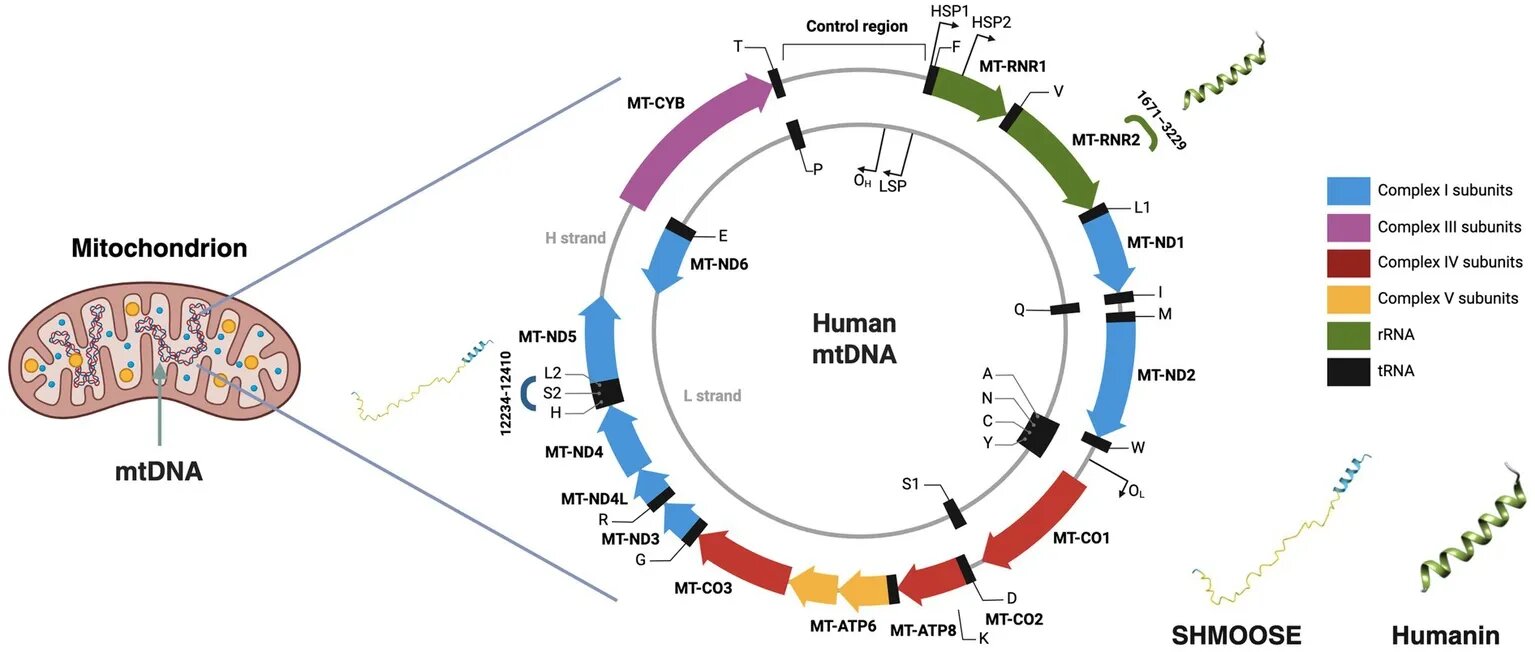
Researchers at the USC Leonard Davis School of Gerontology have found that adherence to the Mediterranean diet is associated with elevated levels of two mitochondrial microproteins, humanin and SHMOOSE, which are linked to cardiovascular protection and neurodegeneration. The study, published in Frontiers in Nutrition, suggests that these microproteins may serve as molecular messengers connecting dietary habits to cellular function and aging.
Read More
The Mediterranean diet is rich in olive oil, fish, legumes, fruits, and vegetables, and it has been correlated with lower risks of heart disease, diabetes, and cognitive decline. The study analyzed blood samples from older adults with varying levels of adherence to this diet, revealing that those with the highest adherence had significantly higher amounts of humanin and SHMOOSE alongside reduced oxidative stress markers, associated with aging and chronic illnesses.
Specific dietary components were also highlighted; olive oil, fish, and legumes were linked to higher humanin levels, while olive oil and a lower intake of refined carbohydrates correlated with increased SHMOOSE levels. This indicates that certain elements of the Mediterranean diet may directly impact mitochondrial function, as noted by Pinchas Cohen, USC Leonard Davis School Dean and senior author of the study.
This research builds on decades of work by Cohen and others who have explored mitochondria-derived peptides. Unlike typical proteins, these microproteins are produced from small open reading frames in mitochondrial DNA, which were once thought to be nonfunctional. Humanin has been identified as having various health benefits, while SHMOOSE is associated with brain health, with a genetic variant linked to higher Alzheimer's disease risk.
The study also suggests that higher levels of humanin may reduce the activity of Nox2, an enzyme that generates harmful reactive oxygen species, indicating a potential mechanism through which the Mediterranean diet may enhance cardiovascular health by lowering oxidative stress and increasing protective microproteins.
In addition to his research, Vicinanza advocates for the Mediterranean diet globally. He has collaborated with the Municipality of Pollica in Italy to promote the diet, which has received UNESCO recognition. An annual International Day of the Mediterranean Diet will be observed on November 16 to raise awareness of its health and environmental benefits.
While the study was observational and relatively small, it opens avenues for "precision nutrition," where biomarkers like mitochondrial microproteins could help design diets to optimize health and longevity. Future research aims to verify whether dietary changes can increase levels of humanin, SHMOOSE, and similar peptides, potentially reducing disease risk and promoting healthy aging.